
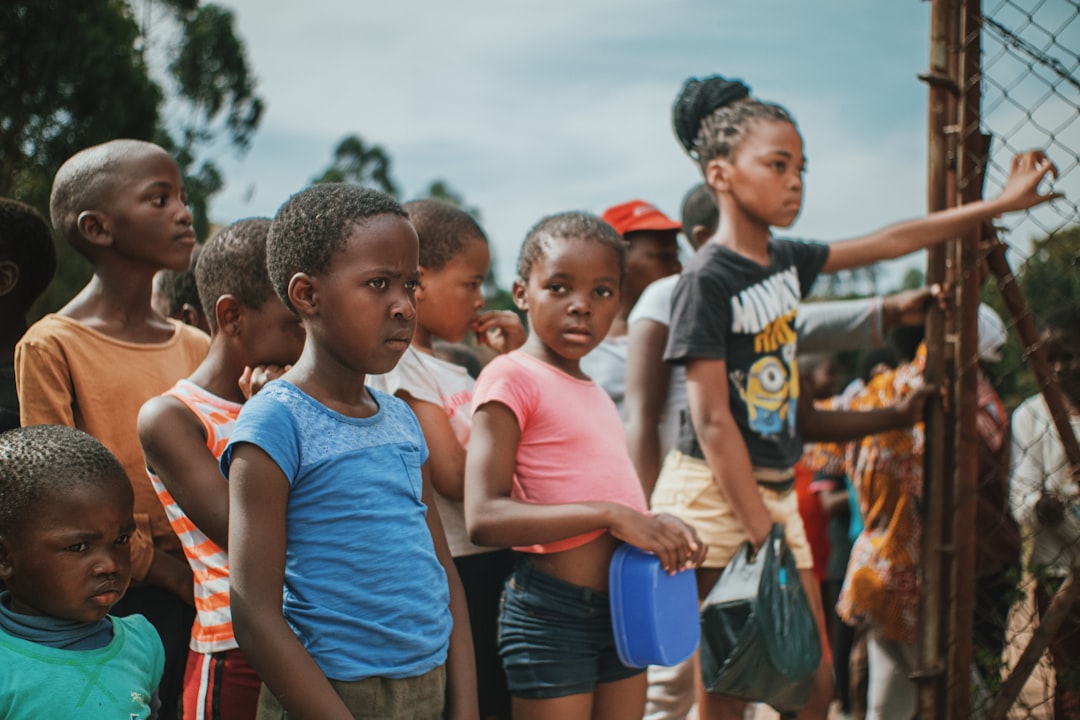
When wars end and peace agreements are signed, the international community typically moves on. Aid budgets shift elsewhere. Media attention fades. But for children who lived through political violence, the trauma doesn't stop when the guns fall silent.
A major international study published in Nature Communications has now proven what many suspected but couldn't rigorously demonstrate: political violence leaves cascading scars that manifest as interpersonal violence within families and communities for years—potentially decades—after conflicts officially end.
The research team from the Natural Resources Institute, Humboldt-Universität zu Berlin, and the London School of Hygiene and Tropical Medicine analyzed survey data from over 35,000 young people aged 13-24 across nine African nations: Côte d'Ivoire, Kenya, Malawi, Mozambique, Namibia, Nigeria, Uganda, Zambia, and Zimbabwe.
This isn't a small sample or a narrow case study. It's a continent-spanning longitudinal analysis combining Violence Against Children Surveys (VACS) with historical records of political violence—the kind of rigorous methodology that lets researchers actually claim causation rather than just correlation.
What they found is sobering. Political violence from 15 years prior correlated strongly with recent emotional abuse from family members, intimate partner violence, and sexual violence—particularly among youth from lower-income households. These patterns persisted even in countries without prominent recent conflicts.
As lead author Dr. Marcella Vigneri put it: "Political violence does not end when the guns fall silent but instead leaves a lasting imprint" on how young people experience violence within families and communities.
The mechanism appears to be what trauma researchers call cascading violence. Adults who experienced or witnessed political violence develop disrupted emotional regulation, normalized aggressive conflict resolution, and elevated stress responses. They then—often unconsciously—perpetuate those patterns within their own families. Children who grow up in those environments absorb the same dysfunctional patterns, creating intergenerational cycles.
What makes this study particularly important is the timescale. We're not talking about immediate post-conflict chaos. We're talking about violence that happened 15 years ago still shaping family dynamics today. That means interventions need to extend well beyond active conflict periods.
The policy implications are clear but expensive: sustained investment in child protection systems, community-based mental health interventions, and trauma-informed care programs that continue for decades after peace agreements are signed. That's a hard sell when donors are pressured to show quick results and move funding to newer crises.
Now, let's acknowledge limitations. This study demonstrates association and provides strong evidence for causation, but human behavior is complex. Poverty, governance failures, and other factors also drive interpersonal violence. Disentangling exact mechanisms requires ongoing research.
But here's what we know for certain: when we allow political violence to occur without adequately supporting affected populations afterward, we're not just failing those immediate victims. We're creating conditions for violence to echo through generations.
The universe doesn't care about our budget cycles or donor fatigue. But if we want to actually break cycles of violence rather than just pause them temporarily, the research is clear about what's needed.