
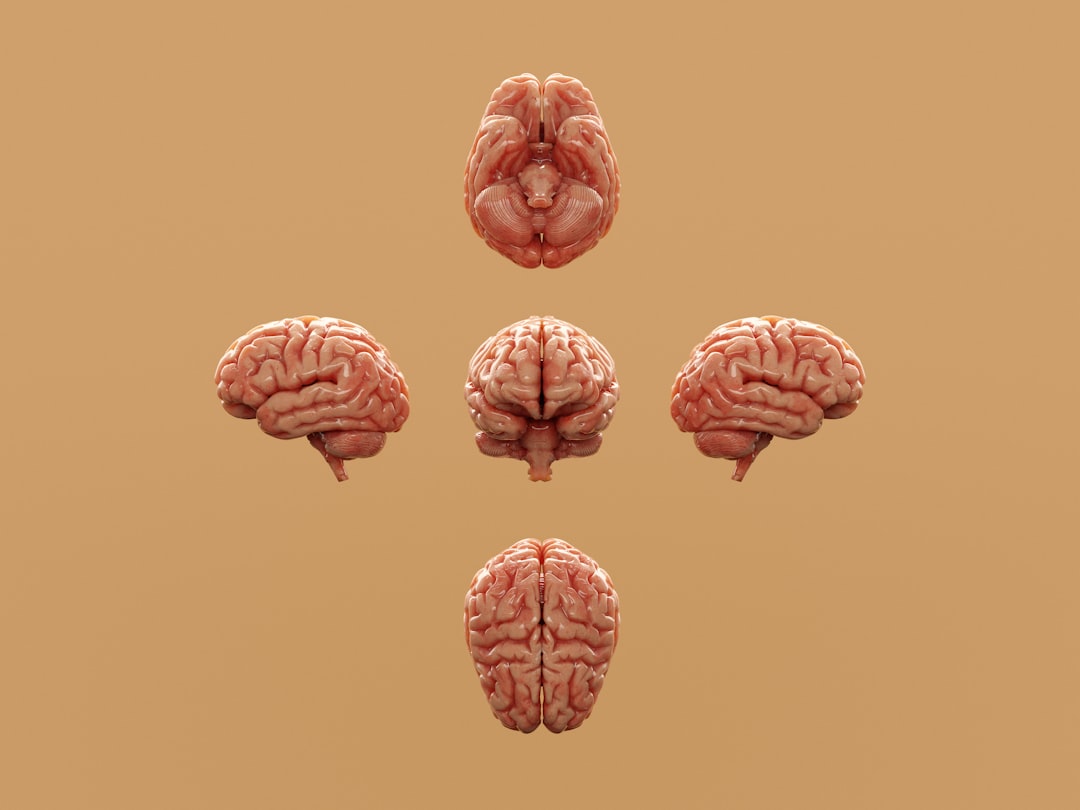
Chronic pain isn't just about damaged tissue or inflamed nerves. Increasingly, research reveals that how our brains process pain matters as much as the physical injury itself. A new study from the University of Tokyo adds compelling evidence to that picture: ADHD-related traits appear to intensify chronic pain through psychological and neurological pathways—particularly anxiety and negative thinking patterns.
Researchers examined nearly 1,000 chronic pain patients across Japanese pain centers and found something striking. ADHD-related traits appeared 2.4 times more frequently in this population compared to the general public. That's not a subtle difference—it's a red flag suggesting a genuine connection worth understanding.
The mechanism isn't direct. ADHD doesn't cause chronic pain in any simple sense. Instead, the study published in Scientific Reports shows an indirect link: "ADHD-related traits appear to impact how people perceive pain through increased anxiety, depression and negative thought patterns."
Think of it as a cascading effect. ADHD often involves difficulties with emotional regulation and attention control. Those same cognitive patterns can amplify pain perception—ruminating on discomfort, catastrophizing about symptoms, struggling to redirect attention away from painful sensations. The brain essentially gets stuck in pain-processing loops that make everything worse.
Dr. Satoshi Kasahara, who led the research, points out something clinically important: many adults with ADHD remain undiagnosed, even when seeking treatment for chronic pain. If clinicians aren't looking for ADHD characteristics, they're missing a potential intervention pathway.
This matters because treatment approaches could shift. The Tokyo team recommends comprehensive care combining cognitive behavioral therapy, exercise-based rehabilitation, and psychoeducation to help patients understand their ADHD traits. The idea is that properly addressing the ADHD component might reduce chronic pain severity—not by fixing the original injury, but by changing how the brain processes and responds to pain signals.
Now, let's be clear about what this study doesn't show. This is observational research on Japanese pain clinic patients—not a randomized controlled trial proving that treating ADHD reduces pain. Correlation and causation remain distinct. We also don't know yet how cultural factors or healthcare system differences might influence these patterns.
But here's what excites me about this research: it reinforces the idea that pain is fundamentally a brain phenomenon, not purely a tissue damage report. Your nervous system doesn't passively relay signals—it actively constructs the pain experience based on context, emotion, attention, and expectation.
For the roughly 4-5% of adults with ADHD—many undiagnosed—this could explain why pain management has been frustratingly ineffective. You can't fix a neurological processing issue with better painkillers alone.
The brain doesn't care what we assume about pain. But if we're willing to look deeper than "it hurts because something is damaged," we might find better ways to help people suffer less.