
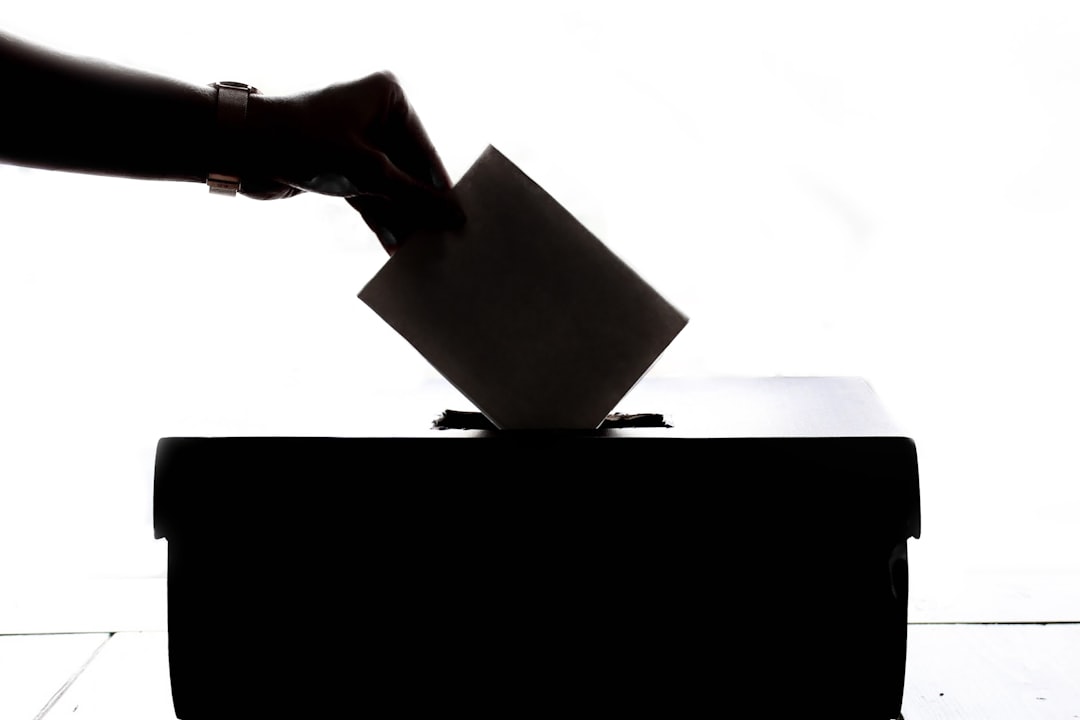
Here's a counter-narrative that might surprise you: even in highly polarized elections, voters on both sides continue to support core democratic principles. They don't want their leaders taking revenge. They accept that the majority has the right to govern, even when they lose.
That's the finding from researchers at Universitat Autònoma de Barcelona and Universitat Oberta de Catalunya, who examined 35 elections across 30 countries between 2016 and 2021. This wasn't a small sample or a single country's experience—it's a systematic look at how polarization actually affects democratic norms worldwide.
The research team, including Sergi Ferrer, Enrique Hernández, Damjan Tomic, and Enrique Prada, tested two fundamental democratic principles: institutional restraint (whether winners respect minorities and avoid abusing power) and losers' consent (whether defeated parties accept results and acknowledge the majority's right to govern).
What they found challenges the common narrative that polarization inevitably leads to democratic decay. Yes, winning voters reported greater satisfaction with democracy than losing voters—but as the researchers note, "Being more satisfied when you have won than when you have lost is normal." That's human nature, not democratic erosion.
More importantly, when examining support for fundamental democratic rules rather than just satisfaction, the gap between winners and losers was substantially smaller. Polarization doesn't seem to make people abandon their commitment to democratic principles, even when they're on the losing side.
Now, before this sounds too optimistic, here's the critical caveat: this holds true provided that minority rights are protected.
That condition isn't a footnote—it's the foundation. Democratic resilience in polarized environments depends on structural protections that prevent majority tyranny. Take those away, and the whole equation changes. Losers accept the majority's right to govern because they know their fundamental rights remain protected, and they'll have another chance at the ballot box.
Think of it as a kind of social contract with a safety net. People can tolerate losing—even in elections that feel existential—if they trust the system won't allow winners to permanently disenfranchise them or strip away core protections.
The research drew on data from the Comparative Study of Electoral Systems, examining democracies across different continents, political cultures, and electoral systems. That geographic and systemic diversity makes the findings more robust than if they'd only looked at, say, Western European parliamentary democracies or American-style presidential systems.
What this suggests is that polarization itself might not be democracy's primary threat. The real danger is when polarization combines with weakening institutional protections—when courts become partisan, when voting rights get restricted, when minority protections erode, when norms of restraint collapse.
It's the difference between fierce competition within agreed-upon rules and attempts to change the rules to ensure permanent victory. The former is healthy, even energizing, democratic contestation. The latter is democratic backsliding.
The study also offers a more nuanced view of what "democratic values" actually means in practice. It's not just abstract commitment to democracy as an ideal—it's concrete acceptance of specific outcomes you don't like, trust in institutions you didn't choose, and restraint when you have the power to push further.
So where does this leave us? Polarization is uncomfortable, exhausting, and often unpleasant. But according to this research across 30 countries, it's not inherently fatal to democratic norms. What matters more is whether the structural protections that make losing tolerable remain intact.
That's a more hopeful finding than much of the discourse around polarization suggests. But it's also a warning: those protections don't maintain themselves. They require constant defense, institutional strength, and political leaders willing to exercise restraint even when they have the power not to.
Democracy, it turns out, can survive intense disagreement. What it struggles with is when one side concludes that winning requires dismantling the protections that make everyone else willing to keep playing.