Canada is moving to establish sovereign space launch capability through an unexpected partnership with South Korea's Hanwha Ocean, a defense contractor better known for building submarines than rockets.
Reaction Dynamics, a Quebec-based orbital launch company, signed a memorandum of understanding with Hanwha Ocean on May 21 to explore strategic investment and industrial collaboration. The partnership reflects a growing trend: mid-sized nations seeking launch independence as space becomes critical infrastructure.
The collaboration forms part of Hanwha Ocean's broader strategy related to its bid for Canada's Patrol Submarine Project. By investing in Canadian space companies, the South Korean contractor strengthens its industrial participation credentials—demonstrating commitment to building long-term presence in Canada's defense and aerospace ecosystem.
"This agreement represents an important step in strengthening Canada's sovereign launch ecosystem," said Bachar Elzein, CEO and CTO of Reaction Dynamics. The company is developing responsive, deployable orbital launch systems designed to provide sovereign and allied access to space from Canadian and allied territories.
The Canada-Korea angle makes strategic sense beyond surface-level optics. Hanwha Ocean brings shipbuilding expertise—precision manufacturing, systems integration, complex project management—that translates surprisingly well to rocket production. Launch vehicles and naval vessels share requirements for reliability, quality control, and managing intricate supply chains.
Reaction Dynamics aims to create scalable launch architectures spanning light-lift and storable medium-lift systems. Unlike large expendable rockets optimized for maximum payload, the company focuses on responsive launch: the ability to place satellites into orbit quickly from dispersed locations, a capability increasingly valued for military and commercial applications.
In space exploration, as across technological frontiers, engineering constraints meet human ambition—and occasionally, we achieve the impossible. For Canada, launch sovereignty addresses a capability gap that has left the nation dependent on foreign providers despite robust satellite manufacturing and space technology sectors.
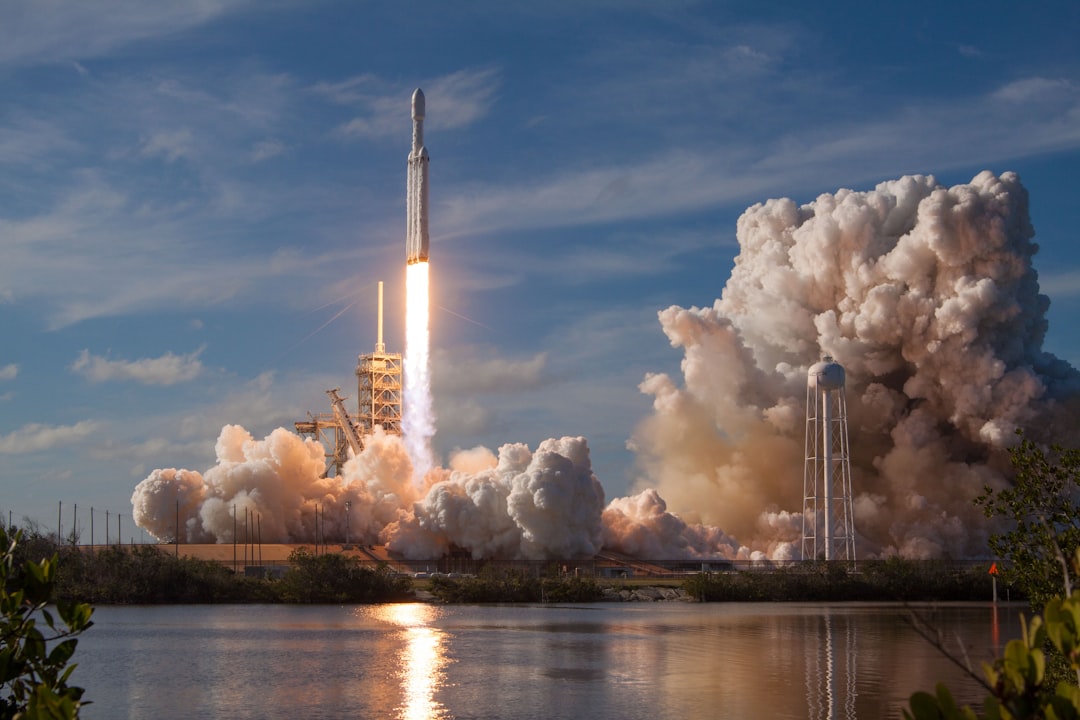
The partnership reflects the evolving launch services market. While SpaceX dominates with low-cost, high-cadence Falcon 9 missions, demand exists for specialized capabilities: polar orbits from high-latitude sites, rapid response for time-sensitive payloads, and launches that avoid geopolitical complications inherent in relying on U.S. or Chinese providers.
Glenn Copeland, CEO of Hanwha Defence Canada, emphasized the investment aligns with supporting "innovative Canadian companies" as the South Korean firm builds its long-term industrial presence. The submarine project connection makes the space investment lower-risk for Hanwha: even if launch development faces delays, the relationship strengthens the company's position on the defense contract.
For Canada, domestic launch capability offers options beyond purely commercial considerations. Northern launch sites enable polar and sun-synchronous orbits without overflying other nations—valuable for Earth observation and communications satellites. The ability to independently access space supports both commercial competitiveness and national security objectives.
Whether this partnership delivers operational launch capability remains to be determined. Rocket development is expensive, complex, and littered with delayed timelines and failed ventures. But the strategic logic is sound: as space becomes infrastructure, nations seek control over access—and unexpected partnerships, like defense contractors backing launch startups, increasingly make sense.