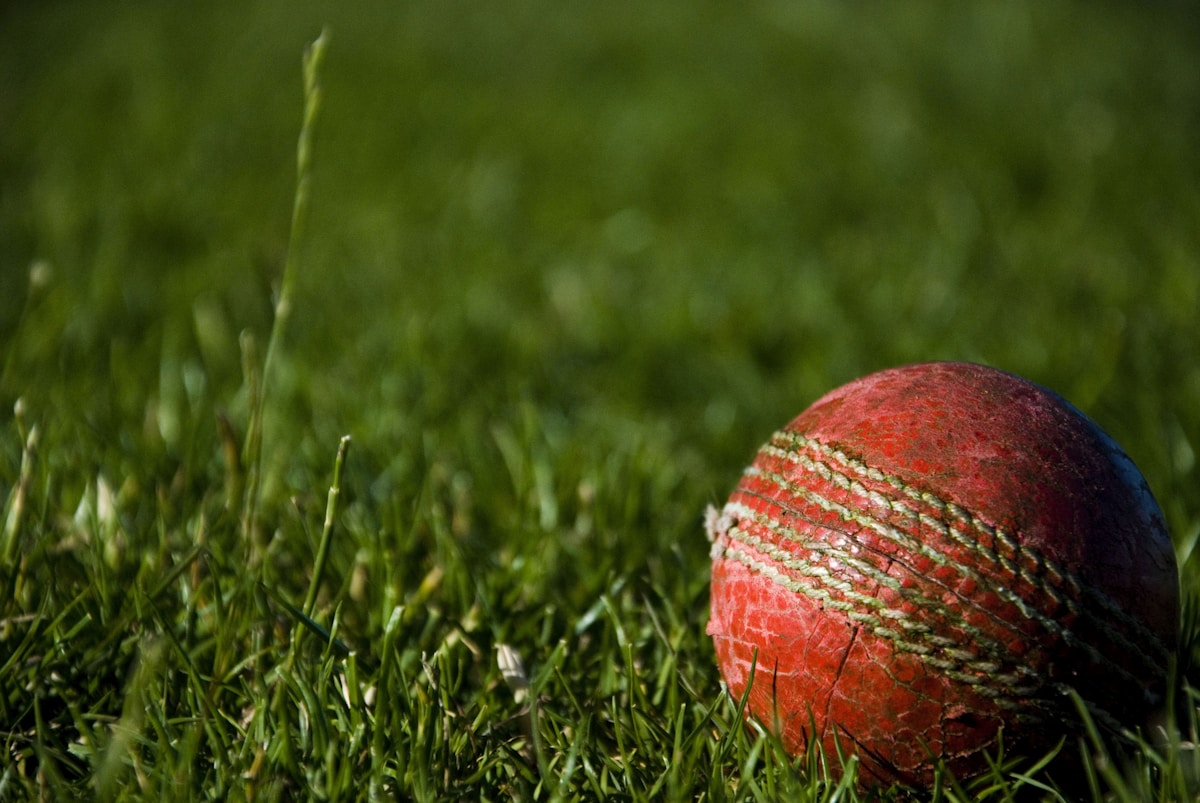
Pakistan's decision to boycott its February 15 T20 World Cup match against India in Colombo has triggered a legal and financial crisis that could cost the Pakistan Cricket Board tens of millions of dollars, with the International Cricket Council warning of unprecedented consequences for weaponizing sport in South Asia's nuclear-armed rivalry.
According to sources within the PCB, tournament broadcaster JioStar is considering legal action against both the PCB and ICC for breach of contract, a move that could fundamentally reshape how bilateral sporting events are governed in the subcontinent. Indian media reported that the ICC may withhold Pakistan's entire annual revenue share—approximately USD 35 million—to compensate broadcasters for the contract breach.
"The broadcaster will be within its rights to take the PCB and ICC to court over a major breach of the contract," a PCB source told Outlook India. The economic stakes are staggering: India-Pakistan cricket matches generate viewership in the hundreds of millions, with advertising revenues that dwarf almost any other bilateral sporting event globally.
In India, as across the subcontinent, scale and diversity make simple narratives impossible—and fascinating. This boycott represents more than cricket politics. It reflects how Islamabad's government—facing severe economic pressure from the International Monetary Fund and Gulf creditors—has chosen to expend political capital on symbolic gestures rather than the pragmatic engagement that has historically characterized Pakistan-India sporting relations.
The PCB, led by Mohsin Naqvi, who also serves as Pakistan's interior minister, reportedly sought support from other ICC member boards but found no backers. The isolation underscores a fundamental shift: cricket's global governance is increasingly resistant to politicization, particularly when broadcaster contracts worth billions are at stake.
ICC sources indicate that any appeal to the organization's Dispute Resolution Committee would likely fail, as the DRC cannot hear appeals against ICC board decisions. This leaves Pakistan in a precarious position—facing financial penalties, potential litigation, and reputational damage in a sport it considers a national passion.
Interestingly, sources suggest the boycott decision stems from solidarity with Bangladesh following political upheaval there, though Pakistani officials have not formally communicated reasons to the ICC. With Bangladesh holding elections on February 12—just three days before the scheduled India-Pakistan match—some analysts believe Naqvi may reverse the boycott after the electoral outcome becomes clear.
For India, which has consistently maintained that sporting events should not be held hostage to political tensions, the crisis reinforces New Delhi's position. India's 1.4 billion population represents cricket's largest market, and broadcasters have made it clear they will not accept revenue losses from political decisions made by member boards.
The standoff raises fundamental questions about cricket governance in South Asia. Can a sport that depends on cross-border rivalries for its economic vitality survive when governments repeatedly weaponize those same rivalries? The answer may emerge not in diplomatic corridors but in courtrooms, where contracts and commercial interests increasingly trump nationalist posturing.
With the T20 World Cup beginning February 7 in Sri Lanka and India, the clock is ticking. Whether Pakistan will pay tens of millions for a symbolic boycott—or find a face-saving compromise—will reveal much about the future of sport in a region where cricket has long served as both battlefield and bridge between hostile neighbors.