Lagos — Nigerian freelancers are carving out niches in the global digital economy despite systemic obstacles including payment processing challenges and infrastructure deficits, demonstrating the entrepreneurial adaptability that has become a hallmark of Africa's most populous nation.
The shift toward online income generation has accelerated as traditional employment fails to keep pace with Nigeria's young, educated population. Over 60% of Nigerians are under 25, and many are turning to freelancing, content creation, and digital services as pathways to economic independence.
"I've been trying to figure this out for a while now," wrote one aspiring digital entrepreneur in a widely-discussed social media post. "Most of the advice online feels very 'US-focused'—like dropshipping, Amazon FBA—but a lot of that doesn't translate well here in Nigeria (payments, shipping, startup capital)."
In Nigeria, as across Africa's giants, challenges are real but entrepreneurial energy and cultural creativity drive progress. The digital economy represents both opportunity and the need for creative problem-solving.
Payment processing remains the single biggest barrier for Nigerian freelancers. International platforms like PayPal don't support full functionality in Nigeria, making it difficult to receive payments from global clients. Many Nigerians rely on workarounds: Payoneer accounts, cryptocurrency transfers, or bank wire transfers that incur high fees and delays.
"I lost a $500 writing contract because I couldn't easily receive payment," said Chinedu Okonkwo, a 28-year-old content writer in Lagos. "The client wanted to use PayPal, I explained it doesn't work fully in Nigeria, and they just found someone else. The opportunity was there, the skill was there, but the infrastructure failed."
Despite these obstacles, Nigerian freelancers are thriving in several sectors:
Content writing and copywriting for international businesses, with many Nigerians earning $500-$2,000 monthly from multiple clients. Nigeria's English language proficiency and cultural familiarity with Western markets create competitive advantages.
Graphic design and digital marketing, where Nigerian creatives serve clients across Africa and globally. Lagos has emerged as a design hub, with agencies serving multinational corporations.
Software development and tech services, leveraging Nigeria's growing tech talent pool. Many Nigerian developers work remotely for European and American companies, earning forex salaries that go far in the local economy.
Social media management and content creation, particularly for businesses targeting African markets. Nigerian creators understand cultural nuances that foreign agencies often miss.
Blessing Abeng, a content strategist and founder of ContentQueenBee, built a six-figure naira business teaching Nigerians digital marketing skills. "The biggest thing I've noticed is that people who focus on skills first seem to do way better than those chasing 'quick money,'" she explained.
The shift reflects broader changes in Nigeria's economy. Traditional sectors struggle with unemployment rates exceeding 30% officially (likely higher unofficially). University graduates face years of job searching, pushing many toward entrepreneurship and freelancing.
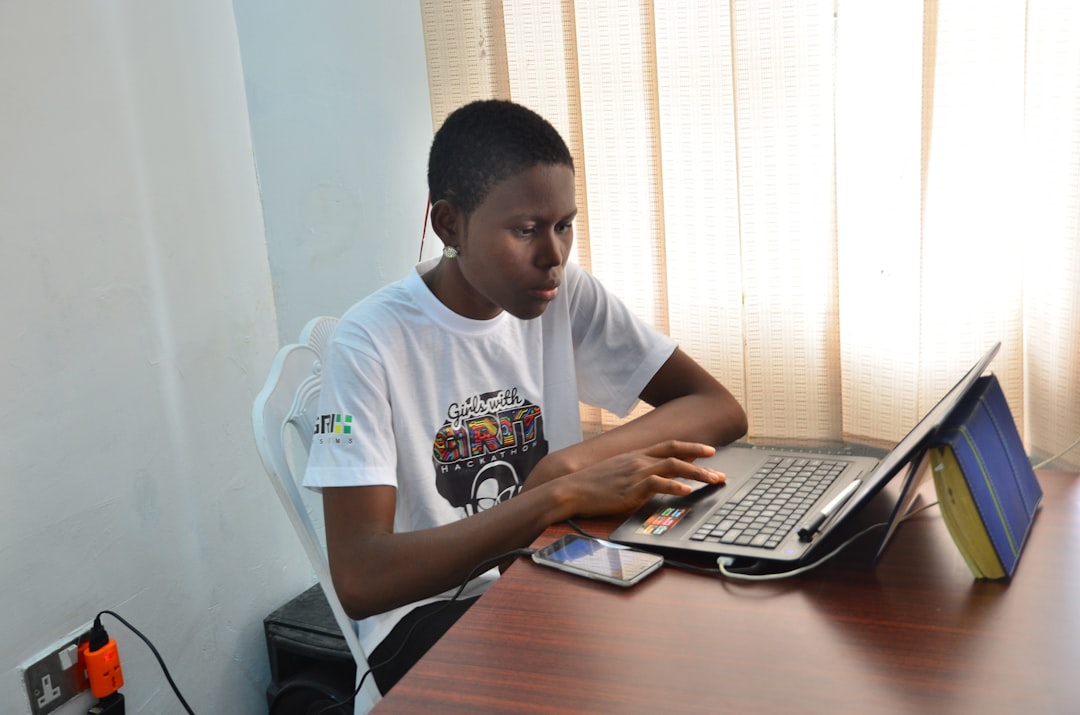
Power infrastructure remains a challenge. Nigeria's electricity grid is notoriously unreliable, with many areas experiencing blackouts daily. Freelancers working from home must budget for fuel generators or battery backups, adding to operating costs.
"I spend ₦30,000-40,000 monthly on fuel for my generator," said Amaka Nwosu, a virtual assistant serving international clients. "That's a significant chunk of earnings, but without reliable power I can't work. Clients don't care if NEPA cut the light—they expect deliverables on time."
Internet connectivity has improved dramatically with 4G expansion and increased competition among providers, but remains expensive by global standards and unreliable in many areas. Freelancers often maintain multiple internet subscriptions as backups.
Yet Nigerian digital entrepreneurs are remarkably resourceful. Online communities share strategies for navigating payment platforms, connecting with clients, and building portfolios. Twitter and LinkedIn have become crucial networking spaces where Nigerians showcase skills and land contracts.
The pandemic accelerated remote work acceptance globally, creating opportunities for Nigerian freelancers. International companies that once insisted on local employees became comfortable with remote workers, opening doors for talented Nigerians.
Tolu Adesanya, who runs a content marketing agency serving US clients, noted the perception challenge: "Some international clients assume lower quality from African freelancers. You have to be twice as good to overcome that bias. But once you deliver excellent work, they become your best advocates."
Digital product creation has emerged as particularly profitable. Nigerians are creating and selling templates, courses, ebooks, and guides targeting both local and international audiences. Low marginal costs mean high profit margins once initial creation is complete.
Affiliate marketing has gained traction, though Nigerian freelancers face challenges accessing some international programs. Amazon Associates doesn't operate in Nigeria, pushing affiliates toward alternative platforms or services targeting African markets.
The Nigerian tech ecosystem provides infrastructure for digital entrepreneurship. Fintech companies like Flutterwave and Paystack have simplified payment processing for businesses, though peer-to-peer freelance payments remain complicated.
Short-form video content on TikTok, Instagram Reels, and YouTube Shorts has created new monetization paths. Nigerian creators are building audiences and earning through platform revenue sharing, brand partnerships, and promoting their own services.
Adeola Williams, a financial literacy content creator with 500,000+ followers across platforms, said: "I started creating content to share what I was learning about money. Now it's a full business—brand deals, consulting, digital products. The income exceeds what I made in my corporate job."
The government has been slow to recognize and support the digital economy. Tax policies remain unclear for freelancers, and regulatory frameworks assume traditional employment models. However, programs like the National Information Technology Development Agency (NITDA)'s digital skills initiatives are beginning to address gaps.
Consistency emerges as the key success factor across interviews with Nigerian freelancers. "Consistency seems to matter way more than the method itself," noted one digital marketer. Building skills, showing up daily, and delivering quality work eventually creates momentum.
The cultural shift is significant. Older generations often view freelancing skeptically, preferring "proper" employment with fixed salaries and benefits. Younger Nigerians increasingly reject that model, prioritizing flexibility and income potential over job security.
"My parents wanted me to find a banking job," said Chioma Eze, a 25-year-old social media manager. "I'm earning more freelancing than most bank employees, working from home, choosing my clients. They're starting to understand, but it took time."
The growth of co-working spaces in Lagos, Abuja, and Port Harcourt provides infrastructure for freelancers needing reliable power and internet. Spaces like CcHub, Workstation, and The Bulb Africa have become communities where digital workers connect and collaborate.
Challenges remain substantial. Payment barriers limit earning potential, infrastructure deficits increase costs, and lack of formal recognition creates uncertainty. Yet Nigerian freelancers persist, driven by economic necessity and entrepreneurial spirit.
The same creativity that built Nollywood into a global cultural force with minimal resources is now manifesting in the digital economy. Nigerian musicians pioneered Afrobeats globally; Nigerian freelancers are now exporting services and building international client bases.
For Nigeria's broader economy, the digital freelancing sector represents significant untapped potential. Thousands of young Nigerians are earning forex, developing high-value skills, and creating employment for others. With proper policy support and infrastructure investment, this could become a major economic pillar.
The question is whether Nigeria's government will recognize and facilitate this organic entrepreneurship or continue focusing on traditional sectors while young Nigerians build the future despite, rather than because of, official support.
For now, Nigerian freelancers continue navigating obstacles with characteristic resourcefulness, proving once again that entrepreneurial energy drives progress even when institutions lag behind.