Lagos — Ordinary Nigerians are reeling from a sharp cost-of-living crisis as rent, fuel, and food prices surge simultaneously, squeezing household budgets in Africa's most populous nation and testing support for President Bola Tinubu's economic reforms.
The confluence of rising costs has become a daily struggle for Nigeria's 200+ million people, from Lagos professionals to northern farmers. "Rent is high, petrol is high, groceries prices are high," one frustrated Nigerian posted on social media, capturing a sentiment echoed across the country. "I might as well get high."
The crisis stems from multiple converging factors, most significantly the government's removal of fuel subsidies in May 2023—a reform economists supported but which instantly tripled petrol prices from around ₦200 to ₦600 per liter, with current prices exceeding ₦700 in many areas.
"The subsidy removal was fiscally necessary but the social impact has been severe," said Dr. Bismarck Rewane, CEO of Financial Derivatives Company, a leading Lagos-based economic consultancy. "The government underestimated the cascading effects on transportation, food distribution, and overall inflation."
In Nigeria, as across Africa's giants, challenges are real but entrepreneurial energy and cultural creativity drive progress. Yet for many households, the current economic pressures are overwhelming adaptive strategies.
Food inflation has hit particularly hard, with staple prices rising 30-40% over the past year. A 50kg bag of rice that cost ₦35,000 in early 2023 now sells for ₦75,000-₦85,000 in many markets. Cooking oil, beans, and yam prices have followed similar trajectories, making basic nutrition increasingly difficult for lower-income families.
Amina Suleiman, a civil servant in Abuja earning ₦120,000 monthly, described her household mathematics: "Rent takes ₦50,000, transport to work is ₦30,000, food for four people costs ₦80,000. The numbers don't add up anymore. We're borrowing to eat."
Rent increases have been especially painful in major cities. Lagos landlords typically demand one to two years' rent upfront, and many have increased rates by 40-60% during recent renewal periods. A modest two-bedroom apartment in areas like Surulere or Yaba now commands ₦1.5-2 million annually, up from ₦800,000-1 million two years ago.
The housing crisis intersects with fuel costs because most Nigerians commute long distances from affordable neighborhoods to work locations. Higher petrol prices have increased commercial transport fares by 100-150%, meaning workers spend larger portions of income simply getting to their jobs.
Dr. Muda Yusuf, director of the Centre for the Promotion of Private Enterprise (CPPE), noted that structural economic factors compound immediate price shocks. "We have forex scarcity affecting imported inputs, we have security challenges disrupting agricultural production in food-producing regions, and we have infrastructure deficits increasing logistics costs," he explained.
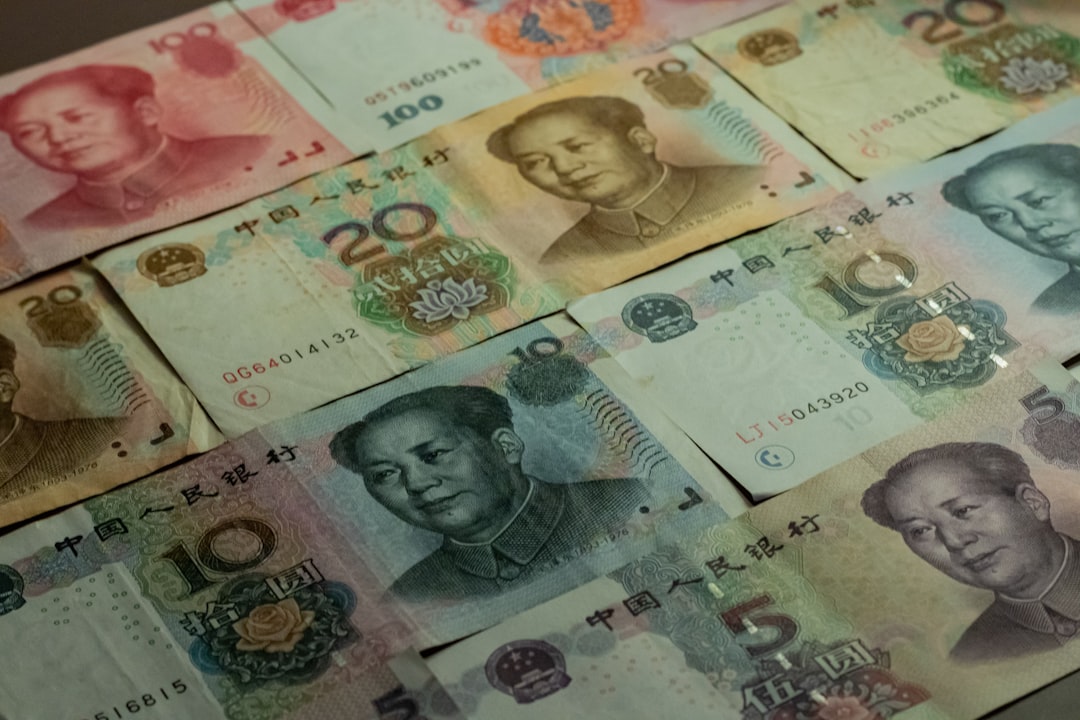
The naira's depreciation has been brutal. The currency has lost over 60% of its value against the dollar since President Tinubu's administration unified exchange rates and ended the overvalued official rate. While economists praised the move as correcting distortions, the immediate effect has been import price inflation.
Nigeria imports substantial quantities of food, including rice, wheat, and cooking oil, despite being an agricultural nation. The forex crisis means these imports cost dramatically more in naira terms, directly hitting consumer prices.
Young Nigerians, who comprise over 60% of the population, are particularly affected. Many recent graduates earning ₦60,000-₦100,000 in entry-level positions find themselves unable to afford independent housing or adequate nutrition. The frustration fuels emigration pressures, with thousands seeking opportunities abroad—the so-called "japa" phenomenon.
"I have a degree, I'm working two jobs, and I still can't afford a one-bedroom apartment without roommates," said Chidinma Okeke, a 26-year-old marketing professional in Lagos. "My parents at my age owned a car and were building a house. What changed?"
What changed, economists say, is decades of oil dependency that left Nigeria's manufacturing and agricultural sectors underdeveloped. The country imports more than it exports (excluding crude oil), runs persistent fiscal deficits, and has weak domestic production capacity.
The government's response has included cash transfer programs intended to cushion subsidy removal impacts, but implementation has been plagued by delays and allegations of corruption. Many eligible households report never receiving promised payments.
Minister of Finance Wale Edun has defended the administration's reforms as necessary short-term pain for long-term gain. "We're correcting macroeconomic imbalances that have accumulated over decades," he said in recent parliamentary testimony. "Inflation should moderate as forex liquidity improves and agricultural production increases."
However, many Nigerians are skeptical that relief is coming. The National Bureau of Statistics reported headline inflation above 30% in recent months, the highest in nearly three decades. Food inflation exceeds 35%, meaning the poorest Nigerians—who spend 60-70% of income on food—are hit hardest.
The crisis has sparked creative survival strategies. Informal savings groups called "esusu" or "ajo" have proliferated as Nigerians pool resources. Side hustles and freelancing have exploded, with many Nigerians working multiple jobs. Some families have relocated to smaller cities where living costs are lower.
Yet these adaptations have limits. Dr. Ngozi Okonjo-Iweala, Director-General of the World Trade Organization and former Nigerian Finance Minister, has warned that sustained economic pressure on households could trigger social instability. "When people cannot feed their families, political patience wears thin," she noted in a recent interview.
The agricultural sector's struggles exacerbate food inflation. Insecurity in northern states like Zamfara, Kaduna, and Borno has displaced farming communities and reduced production. Banditry and terrorism make it dangerous to access farmland in some of Nigeria's most productive agricultural zones.
Transportation costs ripple through the entire economy. Every good that moves by road—which is nearly everything in Nigeria—becomes more expensive as fuel prices rise. The country's limited rail network and poor state of internal waterways mean heavy reliance on trucking.
Some relief may come from Nigeria's expanding tech sector and digital economy, which creates high-paying jobs for skilled workers. Lagos's tech ecosystem has produced several unicorn companies, and remote work for international clients brings forex earnings. However, this benefits a tiny fraction of the population.
For the majority, the cost-of-living crisis is an everyday reality with no clear resolution in sight. Market women in Lagos, commercial motorcyclists in Kano, and teachers in Enugu all express similar anxieties about making ends meet.
The political implications are significant. President Tinubu's administration faces mounting pressure to demonstrate that its economic reforms will deliver tangible improvements. The 2027 electoral cycle looms, and voters experiencing sustained hardship may demand change.
Nigeria's entrepreneurial resilience—the same spirit that built Nollywood and created tech innovation despite infrastructure challenges—means citizens will continue finding ways to survive. But survival is not the same as prosperity, and the gap between Nigeria's potential and its current reality has rarely felt wider.
The coming months will test whether the government's bet on structural reforms can produce relief before political and social pressures become overwhelming. For millions of Nigerians, that relief cannot come soon enough.