
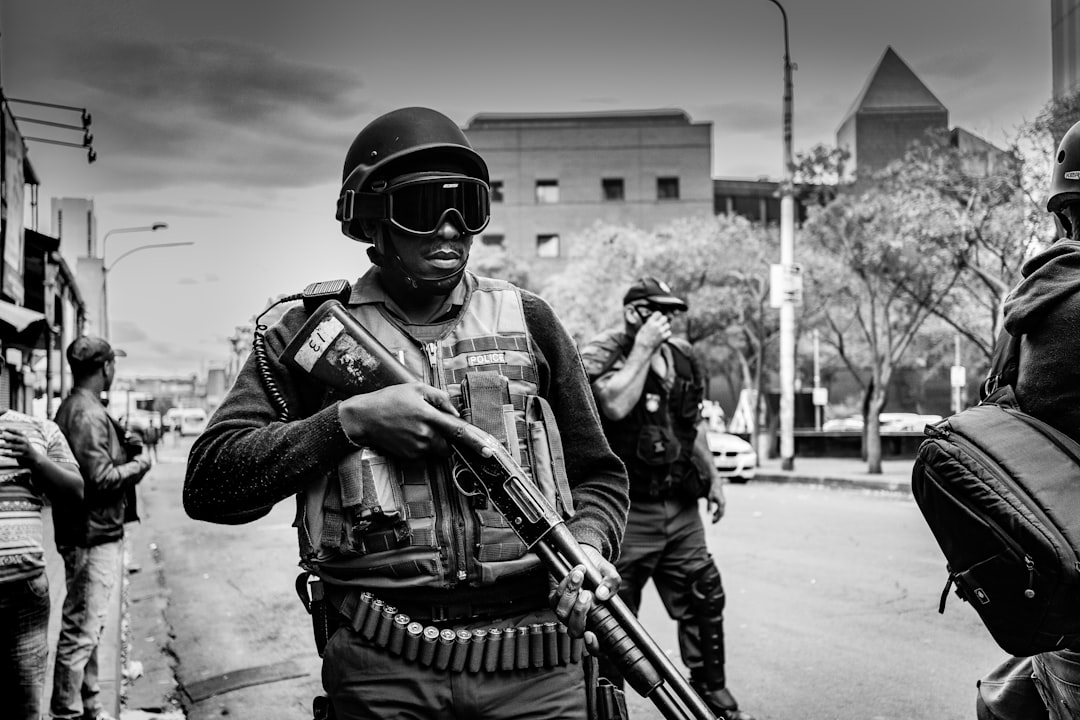
A bail hearing for a police sergeant charged with criminal offenses has inadvertently illuminated a deeper crisis within South Africa's law enforcement: salary levels that leave officers financially vulnerable and potentially susceptible to corruption.
Sergeant Fannie Nkosi, appearing before a magistrate's court, stated that he earns R16,500 per month and could afford the R10,000 bail amount set by prosecutors. While the specific charges against Nkosi were not the focus of public attention, his disclosed salary sparked widespread discussion about the economic pressures facing frontline police officers in South Africa.
R16,500 monthly—approximately $850—must cover housing, food, transport, and family obligations in a country grappling with high living costs and inflation. For police officers tasked with confronting violent crime, organized syndicates, and community unrest, the compensation raises troubling questions about whether South Africa is investing adequately in the integrity and effectiveness of its police service.
"You cannot expect officers to remain incorruptible when they are financially strained," said Retired Major General David Mkhize, a police reform advocate. "Low salaries create vulnerabilities that criminal networks actively exploit. This is not just about fairness to officers—it's about national security."
The South African Police Service (SAPS) has long struggled with corruption allegations, from officers allegedly facilitating drug trafficking to involvement in cash-in-transit heists and illegal mining protection rackets. While individual misconduct cannot be excused, structural factors—including inadequate compensation—create environments where corruption flourishes.
Police union representatives have for years demanded salary adjustments commensurate with the dangers officers face. South Africa has one of the world's highest violent crime rates, and police regularly confront armed suspects, gang violence, and political unrest. Yet entry and mid-level salaries have not kept pace with inflation or the complexity of modern policing.
"Police work in South Africa is among the most dangerous in the world," noted , a criminologist at .