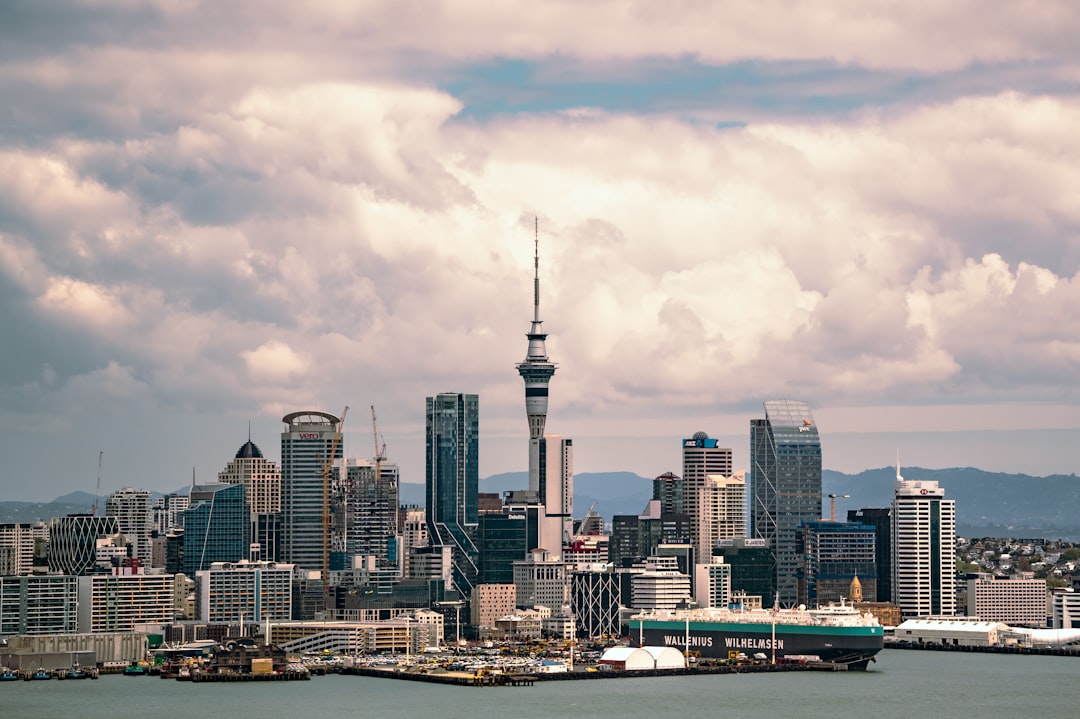
New Zealand's tax base is increasingly dependent on migrant workers as domestic revenue growth stagnates amid economic slowdown, raising questions about whether the country is running a demographic Ponzi scheme.
Analysis shows migrant contributions to tax revenue have grown substantially even as overall economic productivity remains flat. The trend suggests New Zealand is using population growth to mask structural economic problems.
This is a structural economic problem masquerading as an immigration story. If NZ needs constant migrant inflows just to maintain tax revenue, what happens when migration slows? The question reveals deep dysfunction in the country's economic model.
The numbers tell a stark story. Domestic wage growth has been anemic for years. Productivity improvements have stalled. Business investment remains weak. Rather than fixing these underlying problems, successive governments have relied on immigration to boost GDP and tax revenue.
It's a classic Ponzi dynamic. You need more people at the bottom to sustain the system above. But those new people need infrastructure, housing, healthcare, and education. If you're not investing in that capacity, quality of life declines for everyone.
And New Zealand demonstrably hasn't invested in that capacity. Housing is chronically unaffordable. Infrastructure is crumbling. Hospitals are understaffed. Roads are congested. The country has been running high immigration without building the supporting infrastructure.
The current government's response has been to cut migration while also slashing public services - a combination that worsens both problems. Less migration means less tax revenue, which they're addressing through austerity rather than productivity growth.
The sustainability question is critical. Can New Zealand maintain its standard of living and social services with stagnant productivity and reduced immigration? The math suggests no, unless something fundamental changes.
Comparative context matters. Australia faces similar immigration dependency but has managed higher productivity growth and better infrastructure investment. Canada is struggling with nearly identical problems. It's a common trap for wealthy democracies with aging populations.
The alternative to immigration-driven growth is actual economic development - higher productivity, better wages, more innovation, strategic industry development. But that requires investment, long-term planning, and political courage to make unpopular choices.
New Zealand's situation is particularly precarious because the economy is small and geographically isolated. It can't easily integrate into larger economic zones the way European countries can. It needs to generate domestic productivity growth or remain dependent on population expansion.
Mate, there's a whole continent and a thousand islands down here where demographic sustainability actually matters. When your economy only grows because you're adding more people, not because you're doing things better, you're not building wealth - you're running a pyramid scheme.
The question isn't whether New Zealand should have immigration - migration has built the country and continues to enrich it. The question is whether using immigration to paper over failed economic policy is sustainable. Based on current trends, the answer is clearly no.