

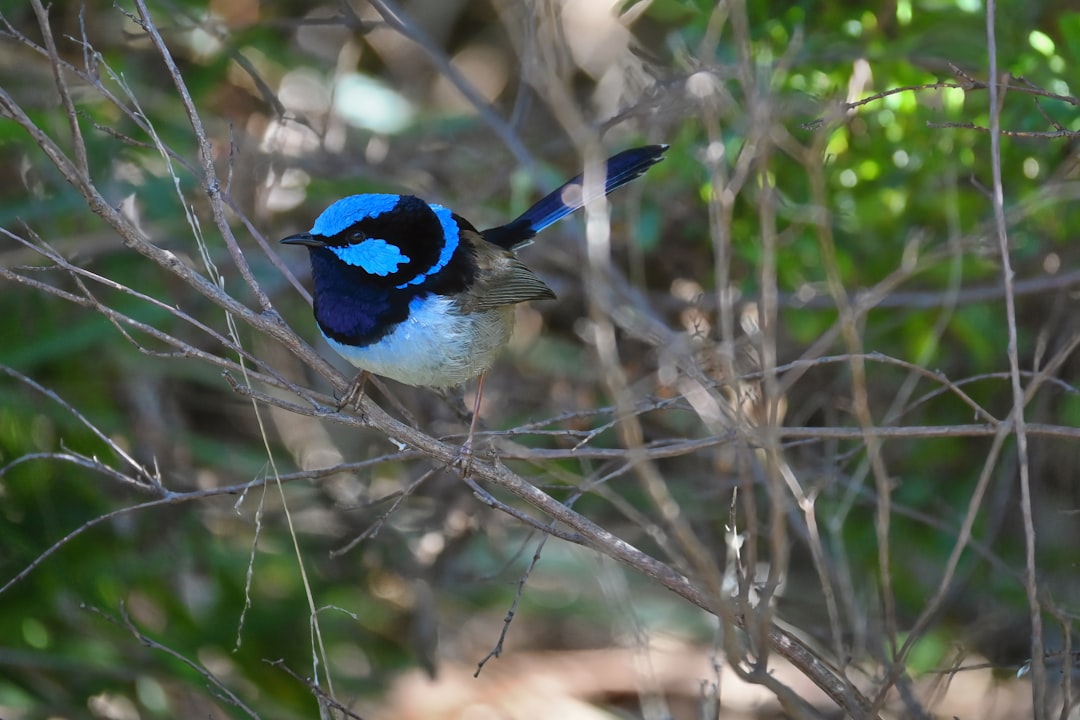
The superb fairywren - one of Australia's most iconic and beloved native birds - faces extinction within decades as climate change disrupts breeding cycles and habitat, according to new research published Tuesday.
Scientists warn the species is a canary in the coal mine for broader ecosystem collapse. What happens to fairywrens today previews what's coming for hundreds of other Australian species as temperatures rise and weather patterns shift.
The superb fairywren is culturally iconic. It appears on stamps, in children's books, and in backyards across southeastern Australia. The male's brilliant blue plumage is instantly recognizable. Its potential disappearance represents a visceral, emotional loss - not just a scientific data point.
The research identifies multiple climate-related threats. Rising temperatures disrupt breeding timing, extreme weather events destroy nests and kill chicks, and habitat changes reduce food availability during critical breeding periods.
Fairywrens are cooperative breeders - extended family groups help raise chicks. But climate disruption is breaking down these cooperative structures. When weather becomes unpredictable, breeding synchronization fails, and the cooperative system collapses.
Australia has a terrible record on species protection. The country has the worst mammal extinction rate globally and is currently losing species faster than almost anywhere else on Earth. The fairywren would join a long and growing list.
The timing is grimly ironic. Australia remains one of the world's largest coal exporters while simultaneously watching climate change destroy its iconic species. The country is literally trading coal revenue for biodiversity loss.
The federal government's climate policies remain inadequate to prevent extinctions like this. Despite upgrading its 2030 emissions targets, Australia continues approving new fossil fuel projects while species slide toward oblivion.
The Pacific dimension matters here too. Low-lying Pacific Island nations are already experiencing existential climate threats - rising seas, severe storms, coral bleaching. What happens to fairywrens in is happening to entire ecosystems across the Pacific.



