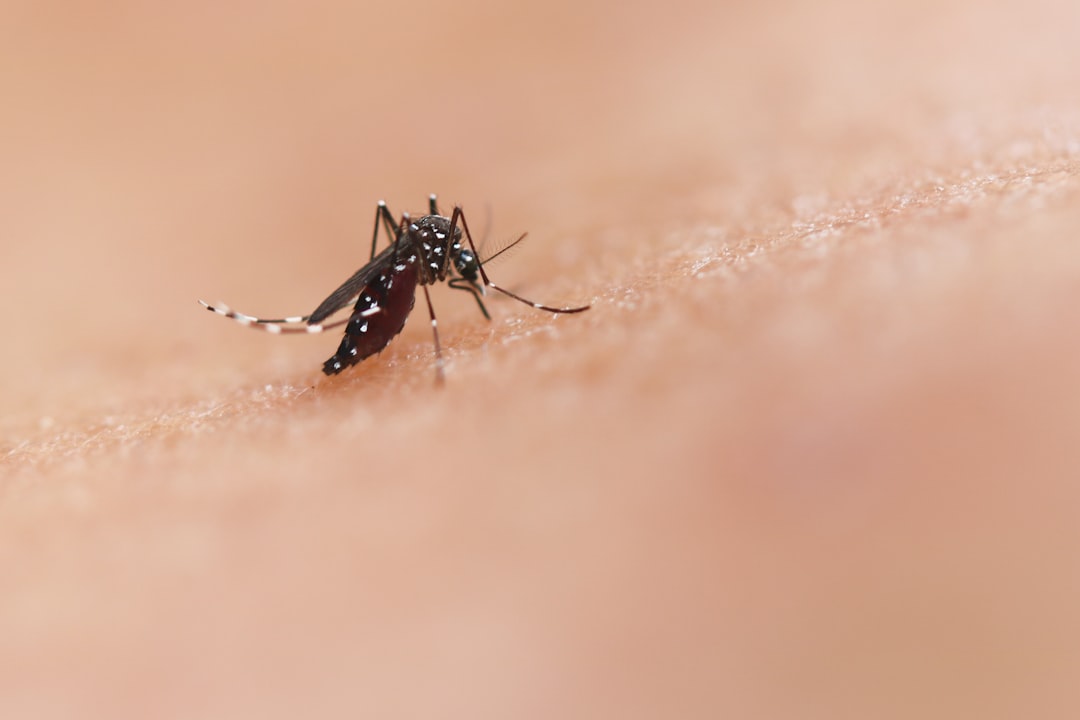
Biosecurity authorities have discovered larvae from an exotic mosquito species capable of carrying dengue fever and other deadly diseases in central Auckland, raising urgent questions about New Zealand's border security as climate change makes the country more hospitable to tropical disease vectors.
The find represents a potentially catastrophic biosecurity failure. New Zealand has remained free of dengue, Zika, and chikungunya precisely because it didn't have the mosquito species capable of transmitting them.
If these mosquitoes establish populations, New Zealand faces diseases it has never had to manage. Dengue fever causes severe illness and can be fatal. Zika causes birth defects. Chikungunya causes debilitating joint pain that can last for years. All are transmitted by the same mosquito species now found in Auckland.
The species involved - likely Aedes aegypti or Aedes albopictus - are aggressive day-biters that thrive in urban environments. They breed in tiny amounts of water, making eradication extremely difficult once established. Think discarded bottle caps, flower pot saucers, blocked gutters.
The discovery in central Auckland is particularly alarming. Not at a port or airport where you'd expect biosecurity intercepts, but in the urban core - suggesting the species may have already established breeding populations that went undetected.
How did they get through border controls? The most likely pathway is shipping containers or used tire imports. Both provide ideal habitat for mosquito eggs, which can survive for months waiting for water. A single container with trapped water can introduce thousands of mosquitoes.
Climate change makes New Zealand increasingly vulnerable to tropical disease vectors. Warming temperatures mean species that couldn't previously survive NZ winters now can. The window for successful eradication is closing as the environment becomes more hospitable.
The eradication response matters enormously. If authorities act aggressively now - extensive surveillance, aggressive chemical control, community engagement - they might prevent establishment. If they move slowly or inadequately, the species becomes permanent.
Australia offers a cautionary tale. It failed to prevent Aedes aegypti establishment in Queensland decades ago and now manages regular dengue outbreaks. The economic and health costs are substantial and permanent.
The Pacific Island dimension is critical here too. Many Pacific nations already battle dengue and other mosquito-borne diseases. If New Zealand becomes a dengue zone, it loses its advantage as a disease-free destination and medical evacuation site for the region.
This is what biosecurity failure looks like in real time. Not a hypothetical future threat, but larvae in Auckland CBD that could establish populations of disease-carrying mosquitoes within months.
The coalition government has been cutting biosecurity funding while simultaneously talking about strengthening border security. You can't have both. Effective biosecurity requires sustained investment in surveillance, rapid response capability, and scientific expertise.
Mate, there's a whole continent and a thousand islands down here where biosecurity actually matters to public health. When you find tropical disease vectors in your largest city, you don't debate funding - you mobilize for eradication before they establish.
The next few weeks will determine whether this becomes a successfully intercepted threat or the moment New Zealand permanently joined the list of countries managing mosquito-borne disease. The government's response - and resource commitment - will reveal which outcome we're headed for.