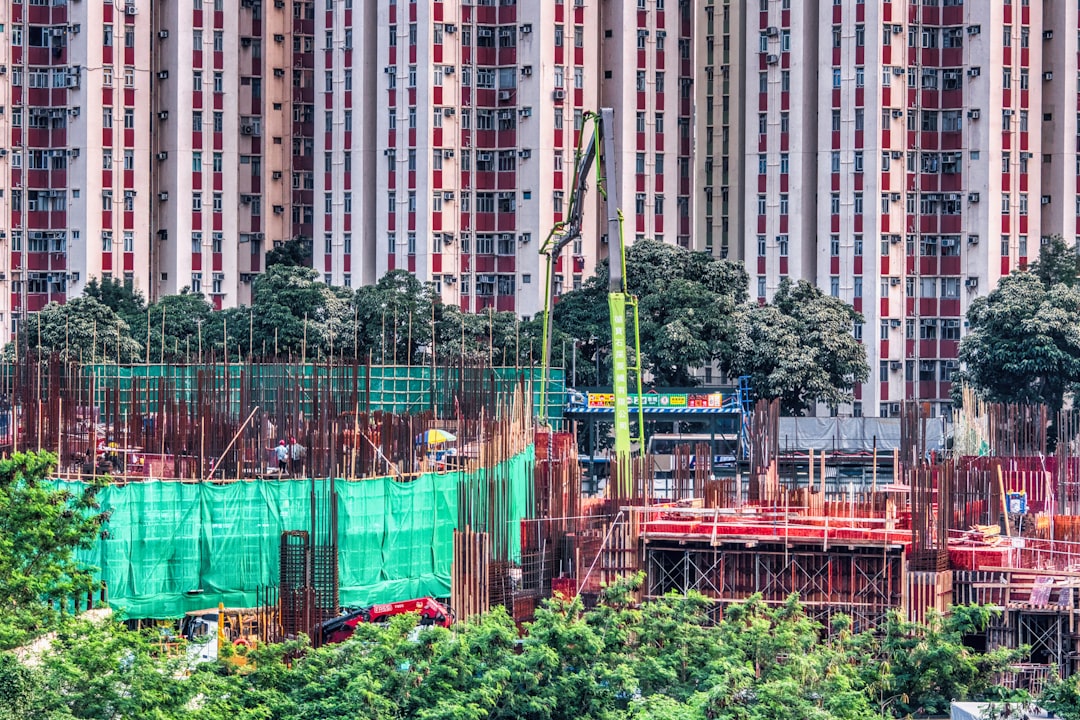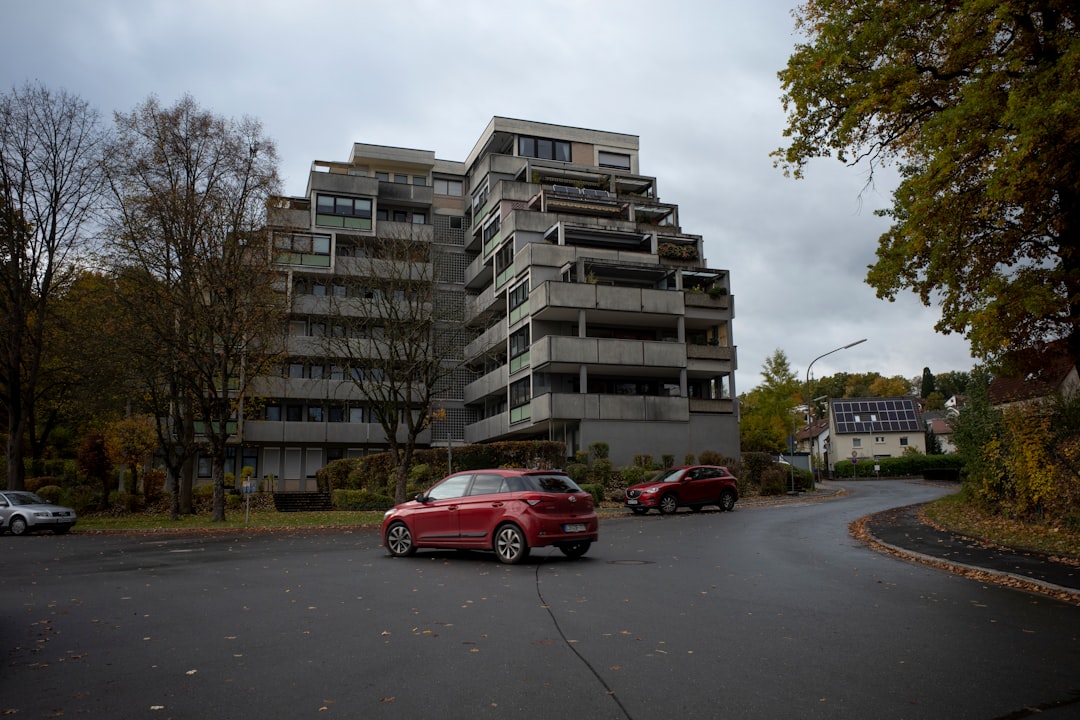
Millions of Australian apartment dwellers are being left behind in the rooftop solar boom due to complex strata regulations, common-property rules, and metering arrangements, threatening to create a two-tier energy system divided by housing type.
New research shows the barriers are not technical - solar panels work fine on apartment buildings - but regulatory and administrative. The result is an emerging energy inequality where housing type determines access to cheaper power.
This is an equity issue in Australia's energy transition. If you own a detached house, you can slash your power bills with rooftop solar. If you're in an apartment - increasingly common as housing becomes unaffordable - you're locked out of those savings.
The numbers are stark. Over 30% of Australians now live in apartments or multi-unit dwellings. That percentage is much higher in major cities like Sydney and Melbourne, where housing affordability has pushed more people into high-density living. None of them can easily access rooftop solar.
The barriers are mundane but insurmountable for most residents. Installing solar on an apartment building requires strata approval, which means convincing a majority of owners to approve the capital expenditure. Then you need to solve the common property question - who owns the panels? How do you allocate benefits fairly between north-facing top floor units and south-facing ground floor units?
Metering is another nightmare. Most apartment buildings have individual unit meters but shared roof space. Installing solar requires either a complex embedded network - where the building becomes its own mini-utility - or sophisticated metering that can allocate solar generation across multiple units.
Some jurisdictions have tried to address this. The ACT has programs supporting apartment solar. Victoria has pilot schemes. But at the national level, the regulatory framework remains a barrier rather than an enabler.
The class dimension is impossible to ignore. Wealthier Australians who own detached houses in the suburbs can afford rooftop solar and battery storage, insulating themselves from grid price rises. Lower-income residents in apartments remain fully exposed to electricity price volatility.
Australia leads the world in residential solar adoption - but only for detached housing. The country is creating a renewable energy divide where your housing type determines your energy costs and carbon footprint.
The policy solutions exist. Spain has successfully implemented shared solar for apartments. Germany has tenant electricity models. California has innovative financing structures for multi-unit buildings. Australia could adopt these approaches - if there was political will.
But apartment solar doesn't feature prominently in federal or state energy policy. The focus remains on utility-scale renewables and detached housing solar, leaving millions of Australians unable to participate in the energy transition.
The rental dimension makes this worse. Even apartment owners face barriers to solar, but renters are completely locked out. In a country where renting is increasingly permanent rather than transitional, this creates a permanent energy underclass.
Mate, there's a whole continent and a thousand islands down here where energy equity should matter to policy makers. When your energy transition only works for people who own detached houses, you're not building a sustainable future - you're building a two-tier system.
The research makes clear recommendations: reform strata laws, simplify metering arrangements, provide financing mechanisms for multi-unit solar. Whether governments act on those recommendations will determine if Australia's renewable transition is equitable or just another form of inequality.