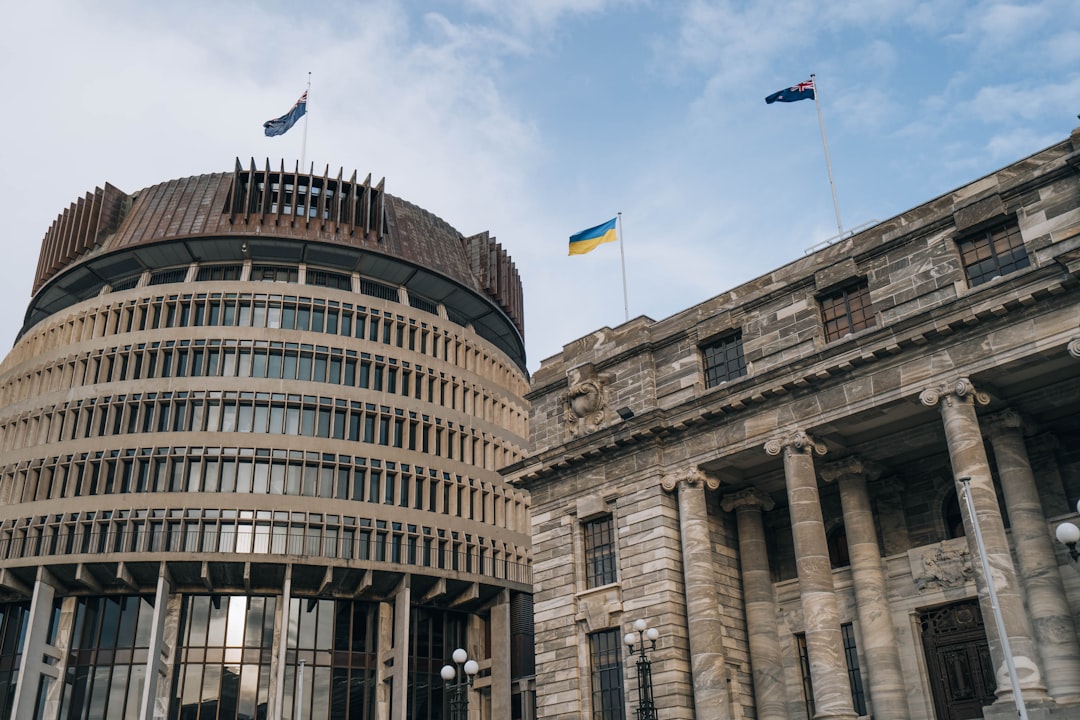
The New Zealand government is dusting off a policy from the Muldoon era - mandating "carless days" where motorists would be banned from driving on certain days of the week - as fuel prices surge past crisis levels.
The proposal, reported by Stuff, has sparked fierce debate across New Zealand about whether 1970s-style rationing is the answer to 21st-century supply shocks.
For those too young to remember: in 1979, Prime Minister Robert Muldoon introduced carless days in response to the oil crisis. Drivers had to nominate one day per week when they wouldn't use their vehicle, marked with a sticker on the windscreen. The policy was widely mocked and became a symbol of government overreach.
Now, nearly 50 years later, Wellington is considering bringing it back.
"The irony isn't lost on anyone," one commenter noted. "We've spent decades building car-dependent cities, and now we're telling people they can't drive."
Fuel prices have jumped 10-20 percent in recent days as the Persian Gulf crisis chokes global supply. Unlike Australia, which is loosening fuel standards to boost supply, New Zealand is focused on demand reduction.
The government is also exploring work-from-home orders, free public transport, and accelerated electric vehicle incentives. But mate, here's the reality: New Zealand is even more vulnerable than Australia to fuel supply disruptions, with minimal strategic reserves and total dependence on imports.