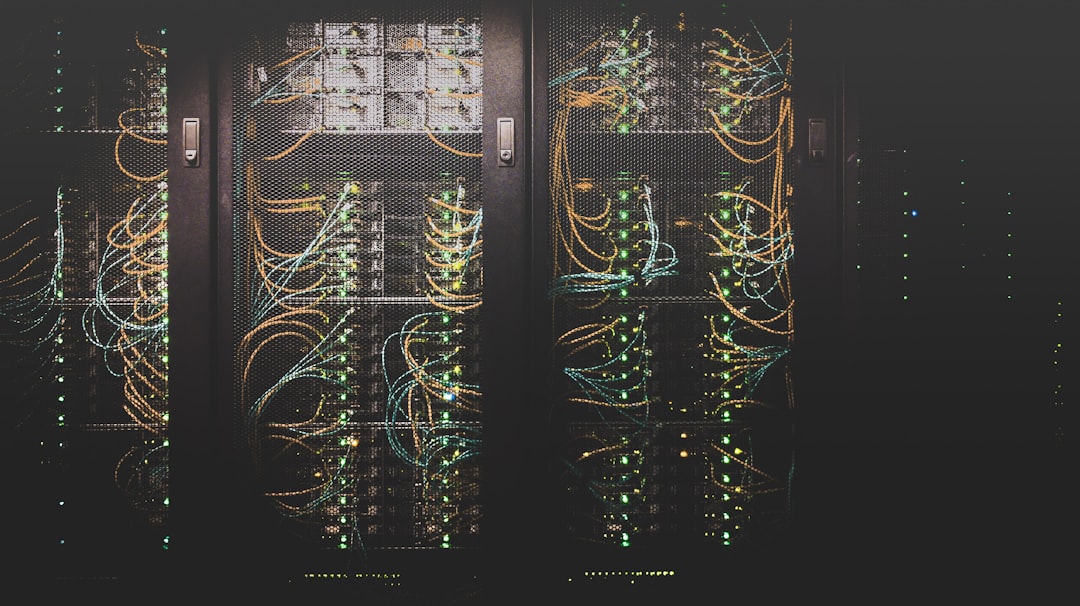
A New Jersey town just did something unusual: they banned AI data centers before a single company proposed building one. It's preemptive land use policy driven by concerns about energy consumption, noise, and the nagging feeling that giant buildings full of computers training AI models don't actually benefit local communities.
The town—facing the prospect of becoming home to the infrastructure powering the AI revolution—decided they'd rather not. And they're probably not alone.
Here's what's driving this: AI data centers consume staggering amounts of electricity. A single facility training large language models can use as much power as a small town. They require massive cooling systems, which means noise and water consumption. They create almost no local jobs beyond security and maintenance. And the economic benefits flow almost entirely to the companies that own them, not the communities that host them.
From the town's perspective, this is all downside. They get higher utility costs—because adding massive power demand drives up prices for everyone—and infrastructure strain. In return, they get... a large industrial building that doesn't employ many people and doesn't generate significant tax revenue.
The AI industry's response has been predictable: arguments about innovation, economic development, and the importance of not hindering technological progress. But those arguments sound hollow when you're the local government explaining to residents why their electricity costs went up 20% because Meta or Microsoft built a data center nearby.
This is NIMBYism, but it's not irrational NIMBYism. Unlike opposing housing development, which exacerbates affordability crises, opposing data centers is a legitimate calculation of local cost versus benefit. If the facility consumed less power, employed more people, or contributed more to local tax bases, towns might feel differently. But AI data centers are optimized for one thing: computation per dollar. Community benefit isn't part of the equation.
Energy consumption is the critical issue. As AI scales, the power requirements are becoming politically unsustainable. California, Texas, and several other states are already seeing conflicts between data center developers and communities concerned about grid capacity and renewable energy targets.
Tech companies are investing in their own power generation—nuclear, solar, and battery storage—but that takes time to build. In the meantime, they're competing with residential and commercial users for existing capacity. And when push comes to shove, data centers have more negotiating power than homeowners.
The New Jersey ban is likely the first of many. Other towns will see what happened there and decide to act preemptively rather than fight established facilities after they're already built. That's going to create political pressure for AI companies to either make their infrastructure more community-friendly or concentrate facilities in areas willing to trade environmental and infrastructure strain for economic incentives.
There's also a climate dimension. AI companies love to talk about using renewable energy, but the reality is more complex. Building new data centers drives up overall power demand, which in many regions still means firing up natural gas plants. Until the grid is fully renewable—which won't happen for decades—AI expansion is directly contributing to emissions.
The technology itself isn't the problem. The problem is externalized costs: communities bear the infrastructure burden and environmental impact while corporations capture the economic value. That's politically unsustainable, and towns are starting to realize they have power to say no.
Data center operators will adapt. They'll seek locations where energy is cheap and local governments are desperate enough for any investment to accept the terms. That will concentrate facilities in areas with fewer environmental protections and less political resistance—not because those are the best places technically, but because they're the places that won't say no.
The technology needs infrastructure. But infrastructure has consequences. And an increasing number of communities are deciding the costs outweigh the benefits. The New Jersey ban is probably just the beginning.