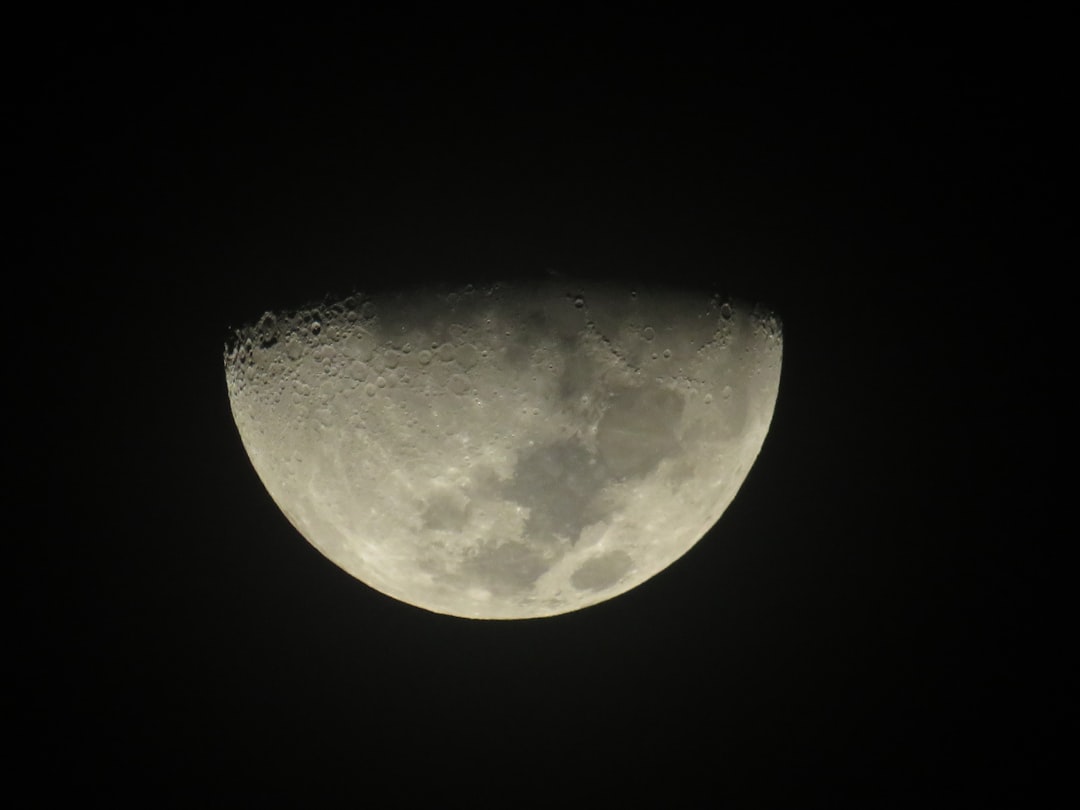
NASA just gave the final go-ahead for Artemis, the mission that will put humans back on the Moon for the first time since 1972. After years of delays, budget overruns, and technical setbacks, the program is officially moving forward.
This isn't Apollo 2.0. Artemis is more ambitious, more complex, and—let's be honest—more politically fraught. The goal isn't just to plant flags and come home. It's to establish sustainable lunar presence, test technologies for Mars missions, and demonstrate that America can still do big space projects.
The technical achievements here are real. The Space Launch System (SLS) is the most powerful rocket NASA has ever built, capable of sending more mass to the Moon than the Saturn V. The Orion spacecraft has life support systems designed for weeks-long missions. And the Lunar Gateway—a space station that will orbit the Moon—represents infrastructure that Apollo never attempted.
But let's talk about the elephant in the room: cost and timeline. Artemis has been under development for over a decade. The program has cost more than $90 billion so far. The first crewed landing, originally scheduled for 2024, is now targeting 2027. And unlike Apollo, which was driven by Cold War urgency, Artemis operates in an era where space exploration competes with healthcare, infrastructure, and climate change for budget priority.
The private sector is watching closely. SpaceX's Starship—which NASA has contracted to serve as the lunar lander—is developing faster and cheaper than NASA's own hardware. That's both embarrassing and pragmatic: NASA is leveraging commercial innovation rather than building everything in-house. It's a recognition that the old model of government-only space exploration is obsolete.
The scientific potential is enormous. The Moon's south pole, where Artemis will land, contains water ice that could support long-term habitation and serve as fuel for future missions. Understanding lunar geology helps us understand Earth's formation. And testing life support, power generation, and construction techniques on the Moon provides crucial experience for Mars.