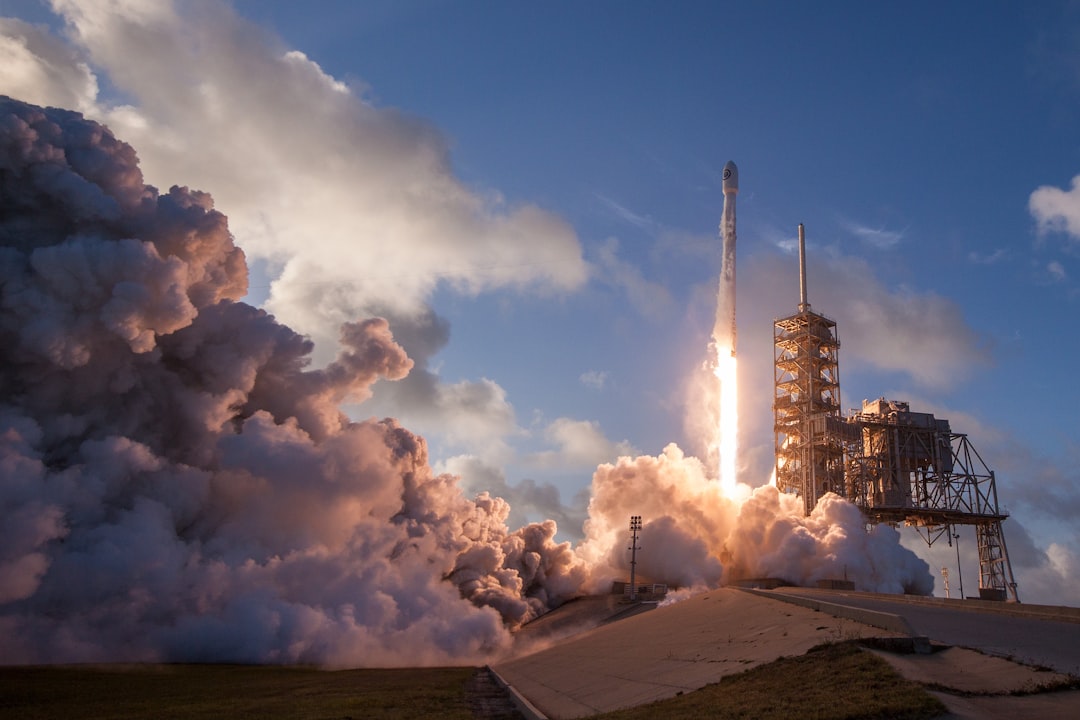
The Federal Aviation Administration has grounded SpaceX's Starship fleet pending investigation after an anomaly during the vehicle's latest test flight, according to the Associated Press. The grounding order, issued late Tuesday, marks another regulatory friction point between Elon Musk's rapid-iteration development philosophy and federal oversight requirements.
The anomaly occurred during what SpaceX had characterized as a successful test of the world's largest and most powerful rocket. While the vehicle completed most of its flight profile, an unspecified irregularity during the mission triggered automatic FAA review protocols. The agency has not disclosed the specific nature of the anomaly, citing the ongoing investigation.
The timing could not be more consequential for NASA's Artemis program. SpaceX's Starship serves as the designated lunar lander for NASA's planned return to the Moon, with the agency just days ago unveiling a $20 billion lunar base plan dependent on operational Starship flights. The grounding introduces immediate uncertainty into an already ambitious timeline calling for three uncrewed missions this year.
"We're watching this closely," acknowledged one NASA official speaking on background. "Starship is critical infrastructure for our lunar architecture. But safety comes first—both for our missions and for the regulatory framework that makes sustainable spaceflight possible."
This isn't SpaceX's first regulatory encounter. The company has repeatedly clashed with the FAA over launch licensing timelines, with Musk publicly criticizing what he calls bureaucratic delays incompatible with the pace of innovation. The FAA, for its part, maintains that launch vehicle approval processes exist precisely to prevent catastrophic failures that could set the entire industry backward.
In space exploration, as across technological frontiers, engineering constraints meet human ambition—and occasionally, we achieve the impossible. But those achievements require trust in robust oversight systems, not shortcuts around them.
The grounding order permits SpaceX to continue ground testing and vehicle preparations but prohibits flight operations until the investigation concludes and any necessary corrective actions are implemented. Previous Starship investigations have taken anywhere from weeks to months, depending on findings.