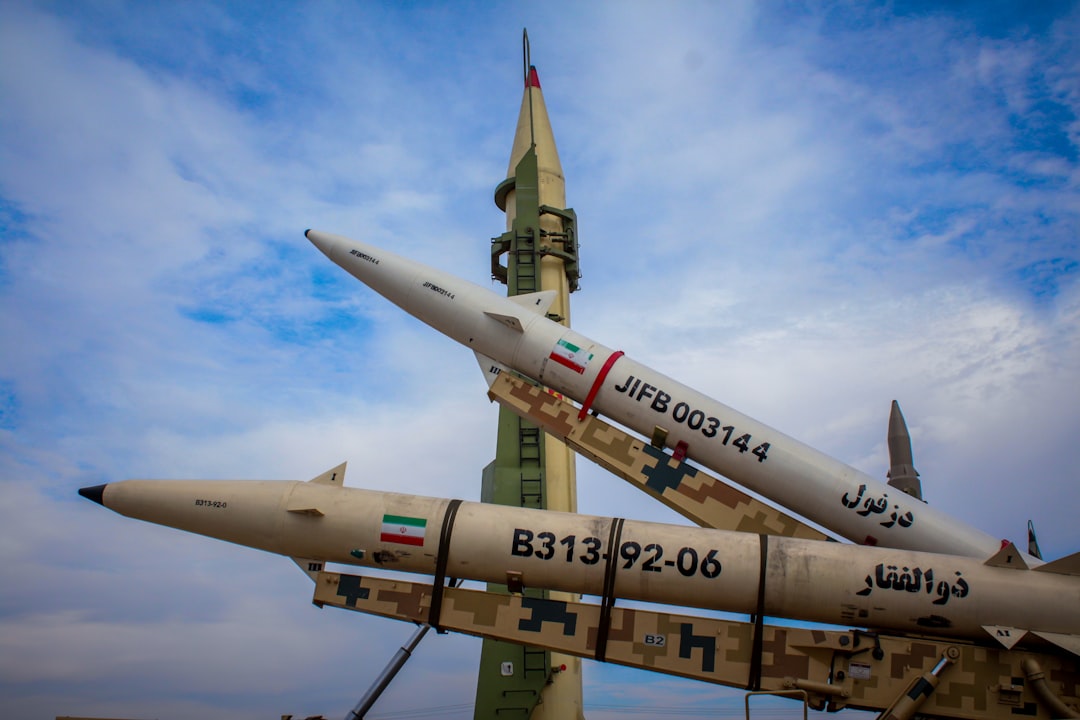

Israel is advancing space-based military capabilities as part of preparations for potential conflict with Iran, marking a significant evolution in how modern warfare integrates satellite technology with traditional military operations.
The developments, reported by the Jerusalem Post, involve new satellite systems and space-based assets designed to enhance intelligence gathering, communications, and potentially strike capabilities. While Israeli defense officials declined to provide specific details about the "surprises" being prepared, the strategic implications of space-based military technology are clear.
Israel has emerged as one of the world's most sophisticated satellite powers relative to its size, with capabilities spanning intelligence gathering, reconnaissance, communications, and earth observation. The country operates multiple surveillance satellites through its Ofek program and maintains advanced launch capabilities through the Shavit rocket system.
The integration of space assets into conflict planning reflects broader transformations in modern warfare, where satellite communications, GPS navigation, and space-based surveillance have become essential to military operations. For Israel, these capabilities take on particular importance given the geographic distance to Iran and the need for persistent intelligence on Iranian nuclear facilities and military developments.
In Israel, as across contested regions, security concerns and aspirations for normalcy exist in constant tension. The country's vibrant tech sector and space industry operate alongside—and increasingly in partnership with—its security establishment, creating synergies that blur lines between commercial innovation and military application.
The announcement comes amid ongoing tensions between Israel and Iran, which have engaged in a shadow war spanning years. Israeli officials have repeatedly stated they will not allow Iran to develop nuclear weapons, while Iran continues advancing its nuclear program and supporting proxy forces throughout the region.
Space-based capabilities could provide Israel with several strategic advantages in a potential conflict: real-time intelligence on Iranian military movements, secure communications that cannot be easily jammed, precision navigation for strike operations, and potentially even weapons platforms operating from space or capable of targeting space-based Iranian assets.
The development also reflects Israel's broader strategy of maintaining qualitative military superiority through technological innovation. Facing larger neighbors and distant adversaries, Israeli military doctrine has long emphasized technological edges that can offset numerical disadvantages.
Israeli defense industries have become global leaders in various military technologies, from missile defense systems like Iron Dome to drone capabilities and cyber warfare tools. The space sector represents a natural extension of this technological focus, combining Israel's aerospace expertise with its defense industry capabilities.
International observers note that space militarization remains a contentious and evolving area of international law and norms. While satellites for reconnaissance and communications are well-established, more aggressive space-based weapons systems could raise diplomatic and legal concerns. Israel has not specified whether its new capabilities involve weaponization of space or simply enhanced use of space-based assets for conventional military operations.
The strategic calculus surrounding Iran has intensified in recent years as Tehran's nuclear program advances despite international sanctions and diplomatic efforts. Israel has conducted various operations attributed to it across the region aimed at constraining Iranian capabilities, and space-based systems could enhance the intelligence and operational precision of such efforts.
For Iran, the announcement likely reinforces concerns about Israeli capabilities while potentially spurring its own space and military programs. Iran has developed its own satellite launch capabilities, though its space program has faced technical setbacks and international sanctions.
The integration of space capabilities into Middle Eastern military planning represents yet another dimension of regional competition, adding to existing tensions over nuclear programs, proxy conflicts, cyber warfare, and conventional military buildups. As technology evolves, the nature of regional conflict continues to transform, extending from the ground and air into the reaches of space itself.