If you thought the Federal Reserve was done raising rates, think again. Minutes from the most recent Fed meeting, released Wednesday, show that a majority of officials are now considering rate hikes if inflation doesn't cool off—particularly if the Iran war keeps pushing prices higher.
Let's translate that into English: your mortgage isn't getting cheaper anytime soon, and anyone hoping for rate cuts this year might want to adjust their expectations.
The big debate inside the Fed right now is whether the inflation spike from the Iran conflict is temporary or something more persistent. Some officials think it's a short-term supply shock that'll fade once the situation stabilizes. Others aren't so sure, especially with oil prices still elevated and broader inflation readings staying stubbornly above the Fed's 2% target.
What does this mean for your wallet? If you've got a savings account or money market fund, those 5% yields aren't going anywhere for a while. That's actually good news—take advantage of it while you can. But if you're sitting on an adjustable-rate mortgage or thinking about buying a house, this is a reminder that borrowing costs could go higher, not lower.
The minutes also revealed tension over the Fed's forward guidance. Some officials wanted to drop the language suggesting rate cuts were the more likely next move. That's significant because it shows the committee is genuinely split on what comes next. When central bankers can't agree on the path forward, it usually means the economic data is messy—which it is.
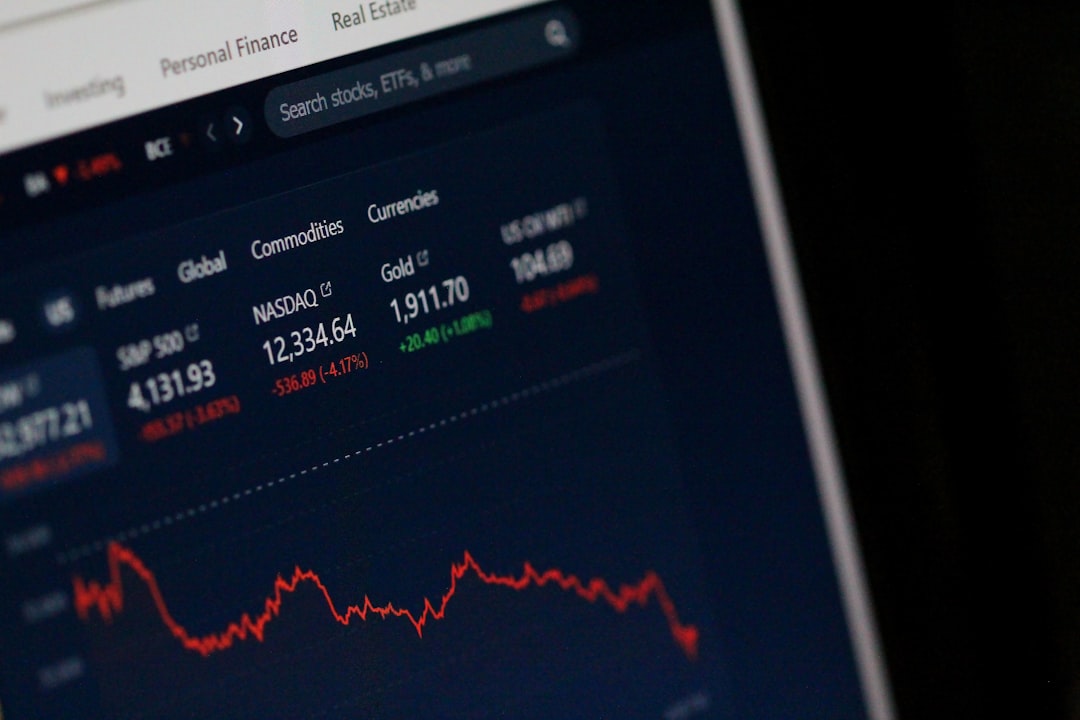
For stock investors, higher-for-longer rates are a headwind, especially for growth stocks and anything trading at a rich multiple. The simple math: when risk-free Treasury yields are sitting at 4.5%, paying 30 times earnings for a tech stock becomes a harder sell. We've already seen some of that repricing in recent weeks.
One thing that's clear: the Fed is in no rush. Jerome Powell has made it obvious he'd rather risk moving too slowly than cutting rates prematurely and watching inflation reignite. That caution is probably smart policy, but it's frustrating if you're waiting for relief on borrowing costs.
Bottom line: the Fed is data-dependent, which is central banker speak for "we have no idea, so we're going to wait and see." If inflation keeps running hot, rate hikes are back in play. If it cools off, cuts might come later this year. Until then, plan for rates to stay high and don't bet your financial future on the Fed riding to the rescue.