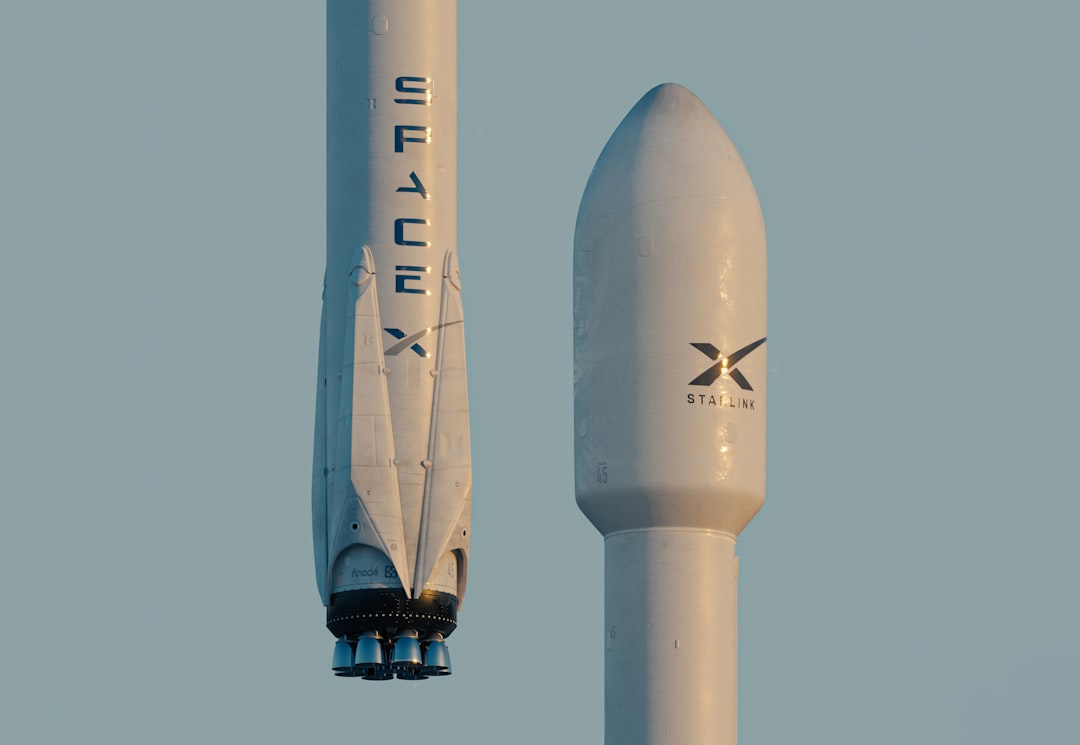
SpaceX officially filed its IPO prospectus this week, and rumors are flying that OpenAI could follow as early as Friday. If you're thinking about jumping in on either of these deals, here's what you need to know before the hype machine goes into overdrive.
First, SpaceX. The company reported $18 billion in annual revenue, which is massive for a private aerospace company. But here's the part that should make you pause: buried in the prospectus are some eyebrow-raising related-party transactions. SpaceX bought $506 million of Megapack products from Tesla in 2025, plus another $131 million of Cybertrucks at MSRP.
Let me put this in plain English: Elon Musk is passing revenue back and forth between his companies. That's not necessarily illegal, but it does make it harder to figure out what each business is actually worth on a standalone basis. When companies in the same portfolio are each other's biggest customers, you have to wonder how sustainable that growth really is.
Then there's the compute deal. Anthropic is reportedly paying SpaceX $15 billion per year through May 2029 for AI computing infrastructure. That's nearly as much as SpaceX's entire annual revenue from rockets and Starlink. If that deal is real—and the prospectus suggests it is—it completely changes what SpaceX is. This isn't just an aerospace company anymore; it's also an AI infrastructure play.
For retail investors, the big question is the lock-up period. Some eagle-eyed Reddit users noticed that the lock-up agreements section in the prospectus appears to be blank or incomplete. If there's no lock-up, insiders and early investors could dump shares immediately after the IPO, which would be a red flag the size of a Falcon 9 booster.
As for OpenAI, details are still murky. If they file this week, it'll be one of the fastest turnarounds from private funding round to IPO in recent memory. That speed usually signals either massive confidence or massive need for capital—and it's not always clear which.
Here's the reality check: both of these are exciting companies doing legitimately impressive things. But exciting doesn't mean fairly priced. Remember that retail investors almost never get IPO shares at the offering price—you're buying from early investors who are cashing out, often at a significant markup.
The Mag Seven stocks were once IPOs too, and many of them have been fantastic long-term investments. But plenty of other hyped IPOs have cratered within months. The difference is usually patience. If you're going to buy either of these, have a plan that doesn't involve selling if the stock drops 20% in the first six months—because it very well might.