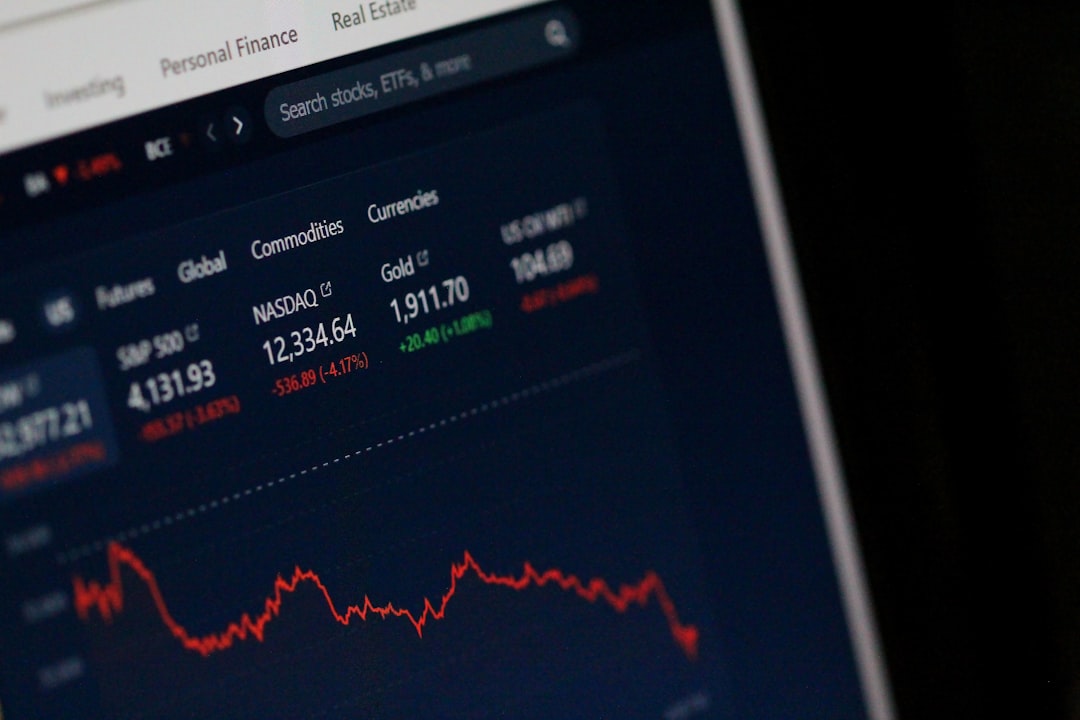
The gap between the S&P 500 and its equal-weight counterpart just hit 13.8 percentage points—a level we've only seen twice before in the modern era: March 2000 and November 2021. Both times, mega caps went on to significantly underperform over the following 18 months.
If you're invested in an index fund and think you're diversified, you might want to check the fine print. Right now, 38% of the S&P 500 is concentrated in just 10 names, up from about 27% three years ago. That's not passive investing—that's a momentum bet on the Magnificent Seven, whether you signed up for it or not.
Here's the pattern that keeps showing up in the data: when the concentration premium gets this extreme, it tends to unwind fastest when top-decile earnings growth decelerates relative to the median. And that's exactly what's happening now. The top 10 names posted 11.2% year-over-year earnings growth in Q1 2026, down from 22.4% a year ago. Meanwhile, the median company posted 7.8%, up from 4.1%. The gap is compressing from both directions.
Now, this isn't 2000. Today's mega caps are genuinely profitable with massive free cash flow. Nobody with a straight face is comparing NVIDIA to Pets.com. But profitability doesn't save you from multiple compression when growth rates converge. Cisco was a legitimately excellent business in 2000—still took 15 years to see that price again.
The lesson from the dot-com era was never really about business quality. It was about what happens when the market prices in perfection and then perfection stops accelerating. If you're paying 40 times earnings for a stock because you expect 30% growth, and growth slows to 15%, the math gets ugly fast—even if 15% is still great.
Looking at the six times this gap exceeded 10 percentage points going back to 2001, the equal-weight S&P outperformed the cap-weighted index over the following 24 months in five out of six cases, by an average of 14.3%. The one exception was right before COVID, which was its own kind of black swan.
So what do you do with this? If you're heavily tilted toward mega caps—and statistically, most index investors are—it might be worth rebalancing some exposure into equal-weight or mid-cap funds. That's not a call to sell NVIDIA or Apple. It's just acknowledging that when concentration gets this extreme, diversification actually matters again.