
Venezuela's interim president Delcy Rodríguez has appointed Daniella Cabello—daughter of regime powerbroker Diosdado Cabello—as Minister of Tourism, a move that reveals the true power dynamics in Caracas as the country navigates political uncertainty following Nicolás Maduro's capture by the United States.
The appointment, announced Monday by Rodríguez, marks the latest cabinet reshuffle since Maduro's detention in early January. Rather than signaling U.S. control over Venezuelan governance, the move demonstrates how Venezuela's military-political elite is tightening its grip through nepotistic consolidation.
"He decidido designar a la joven Daniella Cabello como nueva ministra del Poder Popular para el Turismo," Rodríguez stated in a social media announcement, using language that emphasized youth while obscuring the dynastic nature of the appointment.
The designation places Diosdado Cabello's daughter in a ministry that, while appearing minor compared to defense or oil portfolios, controls significant patronage networks and foreign exchange flows through Venezuela's limited but strategically important tourism sector. In authoritarian systems experiencing crisis, such appointments serve multiple functions: rewarding loyalty, securing family interests, and signaling continuity to nervous elites.
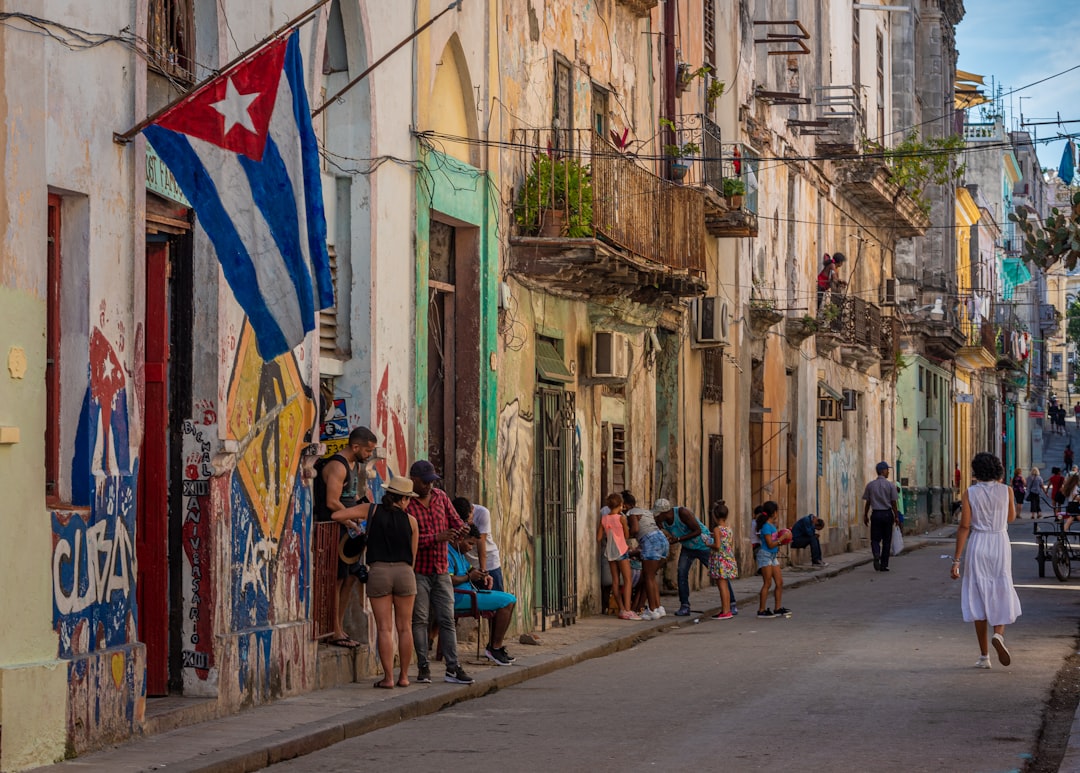
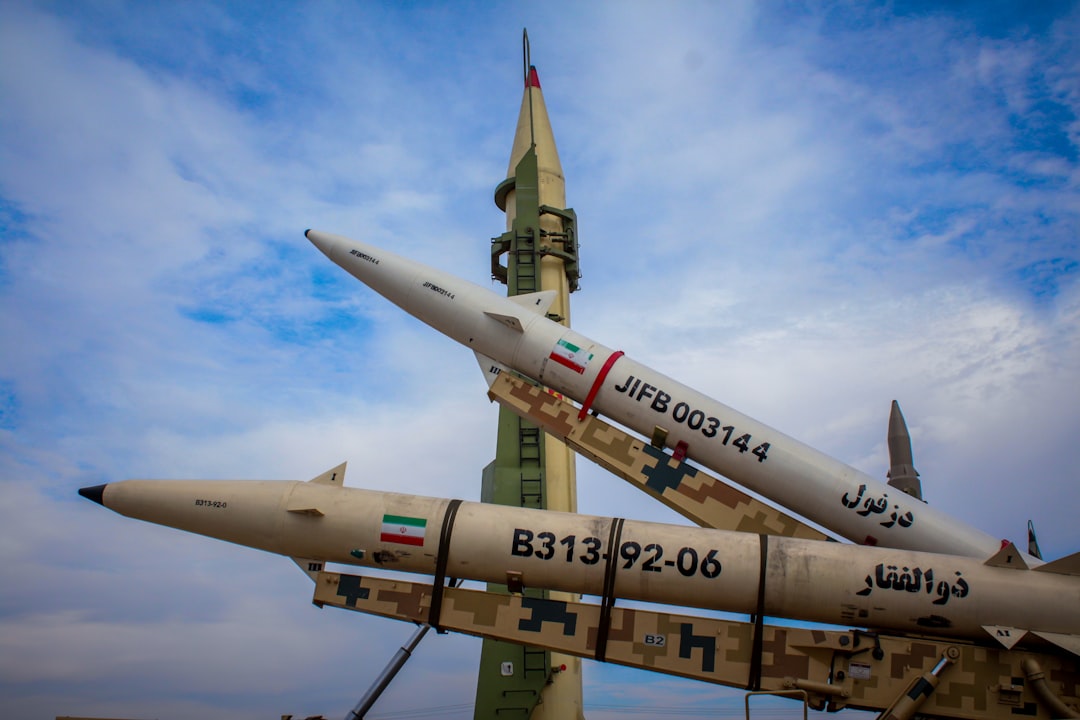
Diosdado Cabello, currently serving as Interior Minister and widely considered Venezuela's second most powerful figure, has systematically placed family members and loyalists throughout the regime apparatus. His daughter's ministerial appointment occurs as the government simultaneously maintains relations with China, Russia, Iran, and Cuba—contradicting narratives of complete U.S. control over Venezuelan decision-making.
The timing complicates the Trump administration's claims of directing Venezuelan governance. While Washington has reopened the U.S. Embassy in Caracas after two decades and detained Maduro, the regime's internal personnel decisions suggest Venezuela's military-intelligence elite retains autonomy over domestic power distribution.
"Si el plan de Trump es confundirnos, diciendo que él controla todo el gobierno venezolano y se hace lo que él dice, mientras el gobierno chavista sigue teniendo las mismas relaciones con China, Rusia, Irán, Cuba y ahora designan a la hija de Diosdado Cabello como ministra... lo está haciendo muy bien," noted one Venezuelan analyst in response to the announcement.
The cabinet reshuffle also included the appointment of veteran diplomat Félix Plasencia as Venezuela's representative to Washington. Plasencia, who previously served as foreign minister and ambassador to China, represents the regime's experienced diplomatic corps rather than any U.S.-approved alternative leadership.
In Venezuela, as across nations experiencing collapse, oil wealth that once seemed a blessing became a curse—and ordinary people pay the price. While regime elites redistribute ministerial portfolios among family members, over seven million Venezuelans remain in exile, the healthcare system remains collapsed, and political prisoners continue reporting torture at detention centers like El Helicoide.
The appointment occurs against a backdrop of selective amnesty offers from Diosdado Cabello himself, who recently stated: "Ojalá entiendan que se les está dando una oportunidad de hacer política como corresponde. Habrá beneficiados y no beneficiados." The language reveals the regime's approach to opposition: conditional tolerance granted at the discretion of the same figures now placing family members in government.
For Venezuelans monitoring power dynamics from exile communities across Colombia, Peru, Chile, and Panama, the ministerial appointment signals continuity rather than transition. The Chavista regime's core—military officers, intelligence chiefs, and political dynasties like the Cabello family—appears to be consolidating rather than loosening its grip.
Regional observers note that Venezuela's political trajectory increasingly resembles other authoritarian consolidations where family networks replace institutional governance. The Tourism Ministry, while nominally focused on promoting Venezuela's Caribbean beaches and Angel Falls, functions primarily as a mechanism for controlling foreign exchange access and international travel permissions—both critical tools for regime survival.
As the U.S. Embassy resumes operations and Washington claims influence over Venezuelan affairs, the Cabello appointment demonstrates the gap between external pressure and internal power realities. Venezuela's elite, having weathered international sanctions, economic collapse, and mass emigration, continues distributing state resources among family networks while maintaining the revolutionary rhetoric that has characterized Chavismo for over two decades.