China deployed a familiar playbook of economic pressure against Panama this week after the country's Supreme Court canceled port concessions held by a Hong Kong conglomerate, demonstrating Beijing's willingness to leverage Belt and Road infrastructure investments for geopolitical ends.
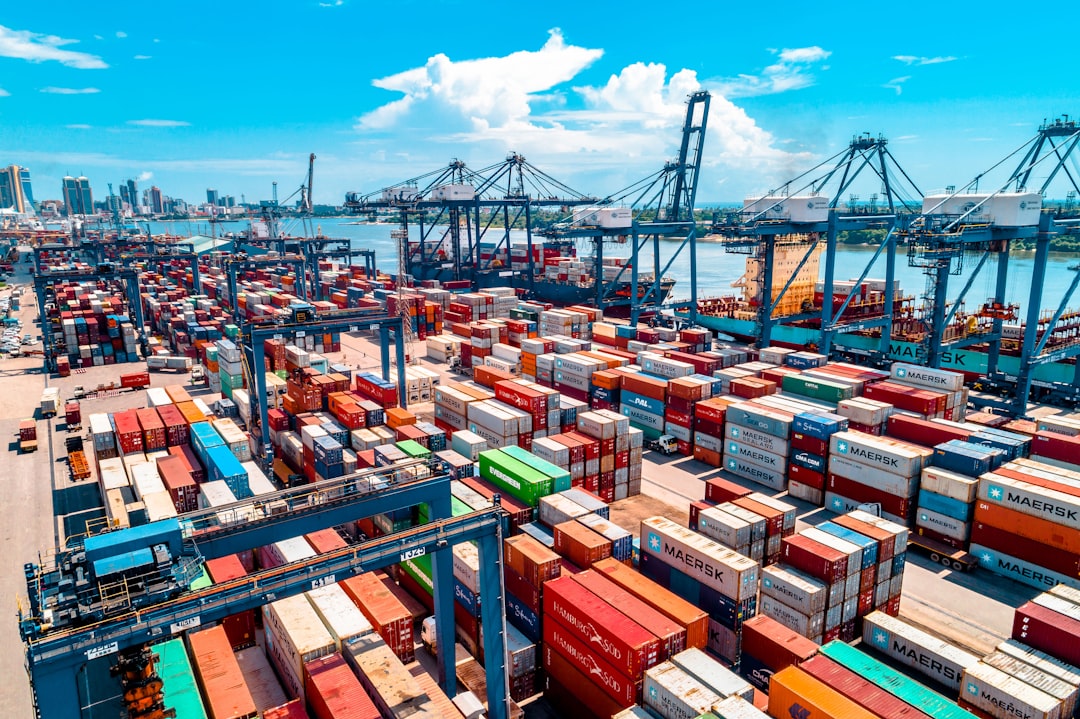
COSCO Shipping Lines, China's state-owned shipping giant, suspended all operations at Balboa port on March 10 with immediate effect, canceling bookings and halting cargo traffic through the Pacific-side terminal. The move followed Panama's late January court decision to end nearly three decades of control by Panama Ports Company, a subsidiary of Hong Kong-based CK Hutchison Holdings.
The suspension represents more than a business decision. China's Transport Ministry summoned executives from Maersk and Mediterranean Shipping Company on March 9 regarding their "business conduct" at the canal, while Beijing directed state-owned enterprises to pause infrastructure investments in Panama and explore alternative shipping routes. Though no explicit government directive was publicly confirmed, regional analysts noted that "the circumstantial evidence overwhelmingly points to a state hand" in coordinating the response.
In China, as across Asia, long-term strategic thinking guides policy—what appears reactive is often planned. Beijing's reaction follows a pattern established with Lithuania, Australia, and Norway: economic coercion deployed swiftly when core interests are challenged. The Panama Canal's role in Asia-Pacific trade flows makes it particularly sensitive—roughly 40 percent of U.S.-bound container traffic from East Asia transits the waterway.
Panama's decision to revoke the port concessions came amid domestic pressure over Chinese control of strategic infrastructure. The Supreme Court ruled the original 1997 concession violated constitutional requirements for competitive bidding. Beijing had warned Panama City would pay a "heavy price" for the decision, a phrase typically reserved for matters touching Chinese sovereignty or major economic interests.
The escalation poses a test for Panama's government, which must balance nationalist sentiment over foreign control of the canal zone against economic consequences of antagonizing its second-largest trading partner. China has invested billions in Panamanian infrastructure since diplomatic recognition shifted from Taiwan to Beijing in 2017, making it a cornerstone of Belt and Road presence in Latin America.