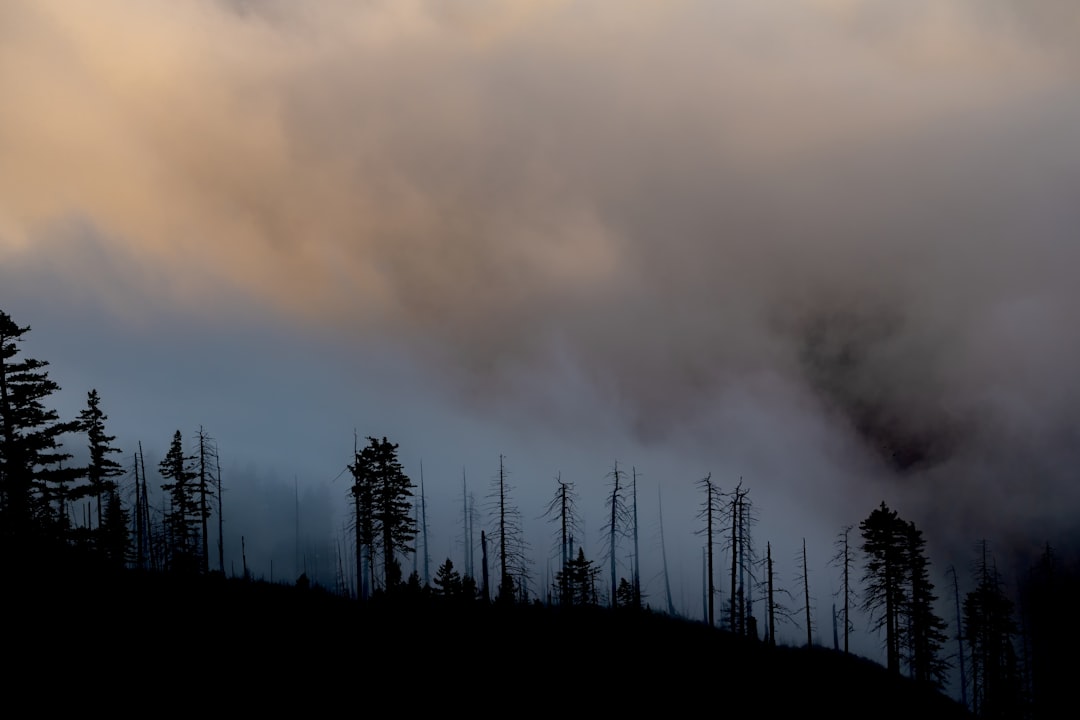
Canada's catastrophic 2023 wildfire season—which burned an area larger than Florida—has been linked to more than 80,000 premature deaths worldwide, according to groundbreaking research published in The Lancet Planetary Health that reveals wildfire smoke as an escalating global public health crisis.
The study, led by atmospheric scientists at Dalhousie University and Stanford University, employed satellite data and air quality monitoring to track how smoke plumes from Canada's record-breaking fires traveled across continents, degrading air quality from New York to Europe and contributing to cardiovascular and respiratory mortality far beyond the fire zones.
"We're documenting a death toll that rivals major industrial disasters, yet receives a fraction of the policy attention," noted lead author Dr. Jack Dibb, environmental health researcher at Dalhousie. "Eighty thousand lives lost makes this single fire season as deadly as a year of traffic fatalities in the United States and European Union combined."
The 2023 Canadian fires burned 18.5 million hectares—nearly six times the historical average—releasing an estimated 290 megatonnes of carbon dioxide equivalent while blanketing major population centers across North America in hazardous particulate matter. Smoke reached concentrations in New York City that briefly made it the world's most polluted major city, with PM2.5 levels exceeding 400 micrograms per cubic meter.
The mortality analysis focused on fine particulate matter (PM2.5), the microscopic smoke particles that penetrate deep into lung tissue and bloodstream. The researchers calculated that wildfire smoke exposure contributed to approximately 45,000 deaths in Canada and the United States, with an additional 35,000 across Europe, Asia, and other regions where smoke concentrations spiked during the fire season.
Critically, the study establishes direct attribution to climate change. Temperature and precipitation data show that Canada's boreal forests experienced record-breaking heat and drought conditions in 2023 that were made at least 50% more likely by anthropogenic warming, according to climate attribution analyses from World Weather Attribution.
"This is climate change translated into mortality statistics," emphasized Dr. Yuming Guo, environmental epidemiologist at Monash University who peer-reviewed the study. "Warming doesn't just raise temperatures—it creates tinderbox landscapes that generate transnational smoke events killing tens of thousands annually."
The health impacts disproportionately affected vulnerable populations. Elderly individuals, people with pre-existing respiratory conditions, outdoor workers, and low-income communities lacking air filtration infrastructure bore the highest mortality burden. In Quebec alone, emergency room visits for respiratory distress increased by 180% during peak smoke periods.
In climate policy, as across environmental challenges, urgency must meet solutions—science demands action, but despair achieves nothing. The study identifies multiple intervention pathways: enhanced early-warning systems, improved building ventilation standards, strategic fuel reduction programs, and above all, aggressive emissions reductions to limit the warming driving megafire intensification.
The research arrives as fire season projections for 2026 warn of continued extreme risk across Canada's western provinces and Siberia, where similarly unprecedented burns are anticipated. Climate models project that without significant mitigation, wildfire smoke exposure could become a leading environmental health risk factor globally by mid-century.
Public health advocates emphasize that the 80,000 death toll—while staggering—likely represents a conservative estimate. The analysis could not fully account for delayed health impacts such as long-term respiratory damage or cardiovascular disease exacerbation that emerge months or years after smoke exposure.
"We're witnessing the emergence of a new category of climate disaster," concluded Dr. Dibb. "Not the fires themselves, but the smoke they generate traveling thousands of kilometers to kill people who never saw flames. Addressing this requires treating wildfire smoke as the transnational public health emergency it has become."