
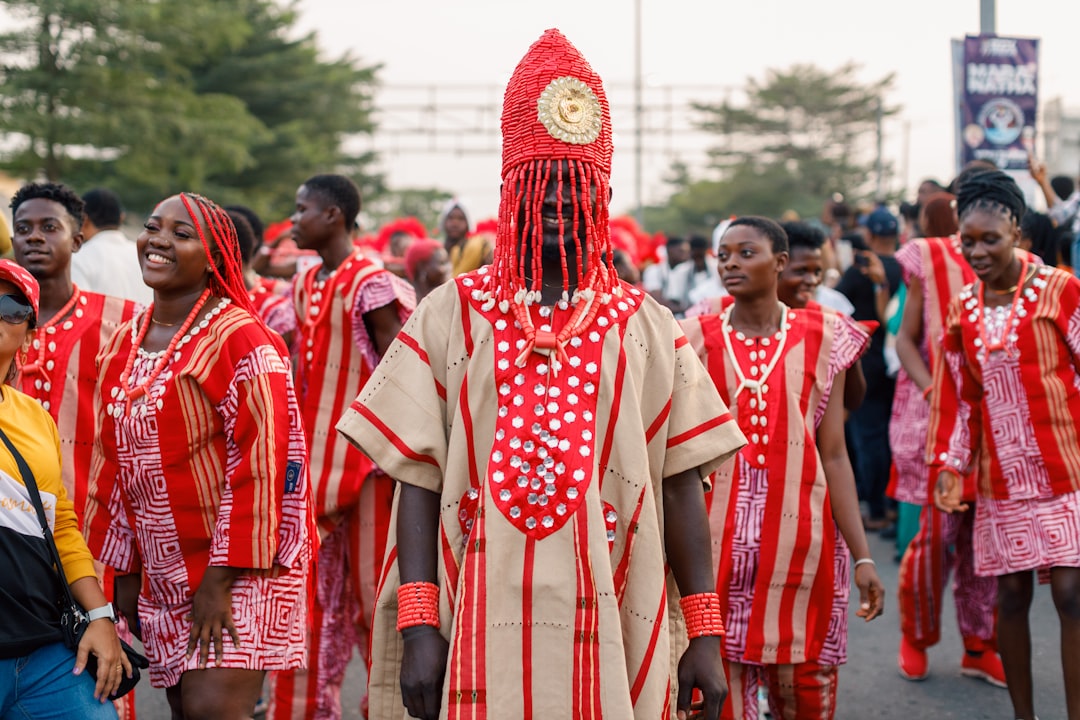
The South African Cabinet has expressed disgust over what it termed an illegal coronation ceremony for a Nigerian traditional leader conducted on South African territory, raising questions about sovereignty, immigration enforcement, and tensions surrounding foreign nationals.
Government spokesperson Khumbudzo Ntshavheni announced that Cabinet was "disgusted" by the unauthorized event, according to IOL, signaling that authorities would investigate how such a ceremony occurred without proper authorization and what legal violations may have occurred.
The unusual incident involves a coronation ceremony for a Nigerian traditional chief—a cultural and political event typically conducted in Nigeria under that country's chieftaincy systems—being held instead on South African soil. Details about the specific chief, the location of the ceremony, and the circumstances remain under investigation.
Cabinet's strong language reflects concerns about sovereignty and legal process. Traditional coronations in Nigeria carry political significance, conferring authority recognized by Nigerian government structures. Conducting such ceremonies in South Africa without coordination with authorities raises questions about what jurisdiction and authority are being claimed.
"This was an illegal activity," Ntshavheni emphasized, indicating the government views the coronation not merely as a private cultural event but as something requiring official authorization that was not obtained. Immigration authorities are reportedly examining whether visa conditions were violated and what permissions organizers should have secured.
The incident occurs against a backdrop of complex migration dynamics between South Africa and Nigeria. Nigerian professionals and entrepreneurs have long been prominent in South African cities, but economic frustrations have periodically fueled xenophobic tensions targeting foreign nationals. Violence against immigrants, including deadly attacks, remains a recurring problem despite official condemnation.
In South Africa, as across post-conflict societies, the journey from apartheid to true equality requires generations—and constant vigilance.
Whether this particular case connects to broader xenophobic sentiment or represents a narrow legal and sovereignty question remains unclear. The Cabinet's focus on illegality suggests authorities are framing this as a procedural matter—an unauthorized event that violated South African law—rather than targeting Nigerian culture or traditional practices per se.
Yet the political sensitivity is unmistakable. Cabinet's public expression of disgust, rather than routine administrative correction, indicates the government views this as significant enough to warrant strong messaging. The language chosen—"disgusted"—goes beyond technical legal violations to convey emotional and political disapproval.
For Nigerian communities in South Africa, the incident may raise concerns about how cultural practices are perceived and whether they face heightened scrutiny. Traditional ceremonies, whether coronations, weddings, or festivals, are important community events that maintain cultural connections for diaspora populations.
The sovereignty question has precedent in international relations. When governments conduct official activities—or sanction traditional authority ceremonies with political implications—on foreign soil without host country permission, it can constitute diplomatic incidents. The question is whether this coronation falls into that category or represents a private cultural gathering that organizers failed to properly permit.
Legal experts will examine what specific laws may have been violated. Immigration regulations govern activities foreign nationals can conduct on South African visas. Event permits regulate gatherings. If the coronation involved claims to authority or jurisdiction, additional legal questions might arise about what exactly was being asserted and where.
The investigation's outcome will clarify whether this was administrative oversight—organizers unaware they needed specific permissions—or deliberate circumvention of South African authority. It will also reveal whether any individuals face legal consequences or whether the matter will be resolved through diplomatic channels.
Broader questions linger about migration policy and xenophobia. South Africa benefits economically from skilled migration and entrepreneurship, including from Nigerian and other African nationals. Yet political rhetoric often scapegoats foreigners for economic problems rooted in domestic unemployment and inequality.
Balancing legitimate sovereignty concerns—ensuring foreign nationals respect South African law and authority—with protecting immigrant communities from xenophobic violence remains an ongoing challenge. The coronation incident tests whether authorities can enforce legal requirements without feeding anti-foreigner sentiment.
Cabinet's response, emphasizing illegality rather than nationality, suggests an effort to frame this as procedural rather than xenophobic. Whether that framing holds as investigations proceed, and how Nigerian community organizations respond, will shape the incident's political implications.
For now, the unusual case of a Nigerian chief crowned on South African soil without authorization stands as a reminder of sovereignty's continuing relevance—and the complex negotiations required when traditional authority systems, migration flows, and national jurisdiction intersect.