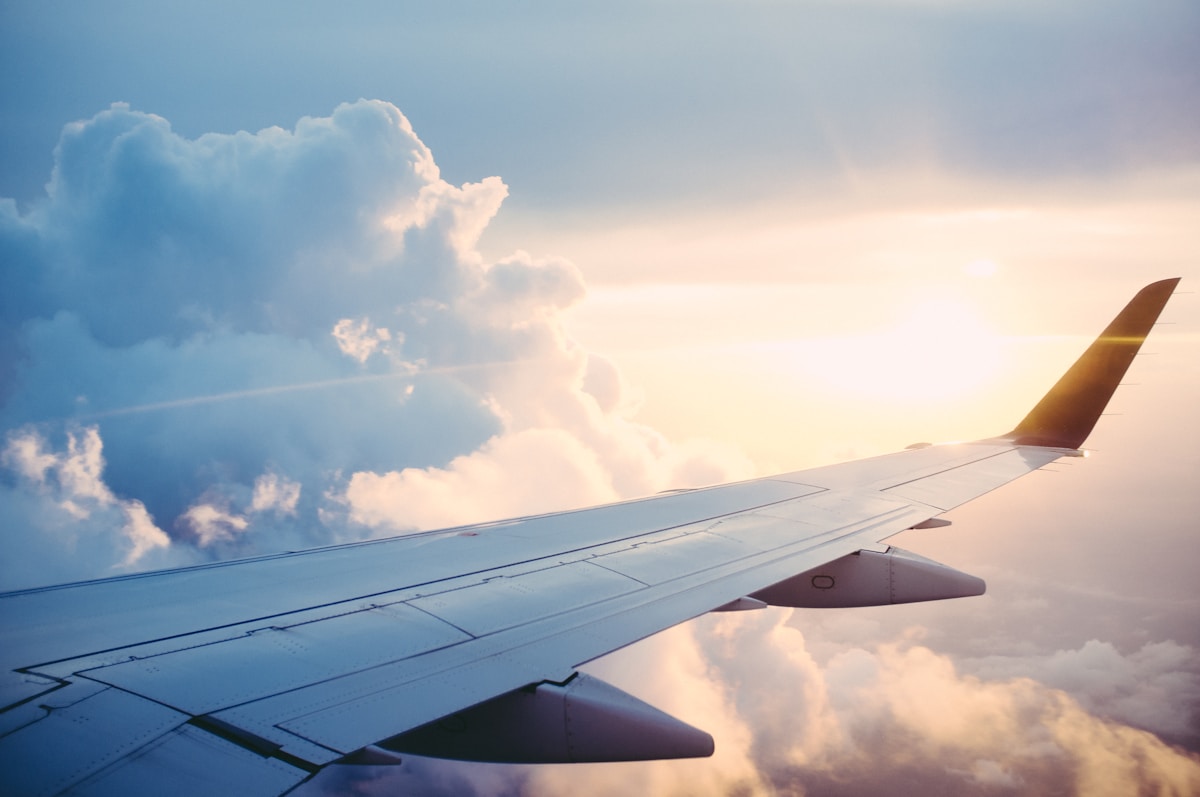
Seventy hours of international flight time in a single month. Six weeks across four countries in one summer. This isn't aspirational travel content—it's a professional's reality, and their body is protesting loudly.
"My sleep pattern no longer exists, skin breaking out, weight shooting up," they reported after their first intense month of business travel. With even heavier schedules looming, they're seeking strategies from frequent travelers to prevent complete physical breakdown.
The challenges of high-frequency international travel differ dramatically from vacation tourism. There's no "rest day" built in—you land, work immediately, fly again. The cumulative toll manifests quickly: disrupted circadian rhythms, stress-related skin issues, metabolism disruption, compromised immune function, and chronic fatigue.
With 58 comments, experienced road warriors shared hard-won strategies:
Compression socks are non-negotiable. The original poster correctly identified these as "tip 1." Sitting for extended periods causes blood pooling in legs, increasing deep vein thrombosis risk and causing painful swelling. Compression socks maintain circulation, reduce leg pain, and minimize post-flight swelling. Wear them the entire flight, not just during landing.
Sleep management becomes a skill, not a luxury. Frequent travelers recommend strict sleep hygiene: blackout masks, earplugs or noise-canceling headphones, and strategic melatonin use to force circadian reset. Some swear by adjusting to destination time zones immediately upon boarding, even if it means staying awake through a red-eye. Others prioritize any sleep possible, regardless of timing.
The reality? When you're traveling globally "constantly," traditional jet lag advice ("adjust gradually") becomes useless. You're never in one place long enough to adjust. Some travelers simply accept permanent mild jet lag as their baseline state.
Hydration and skincare require active effort. Airplane cabin humidity hovers around 10-20%, compared to the comfortable 40-60% in most environments. This extreme dryness wreaks havoc on skin and exacerbates dehydration. Recommendations include: