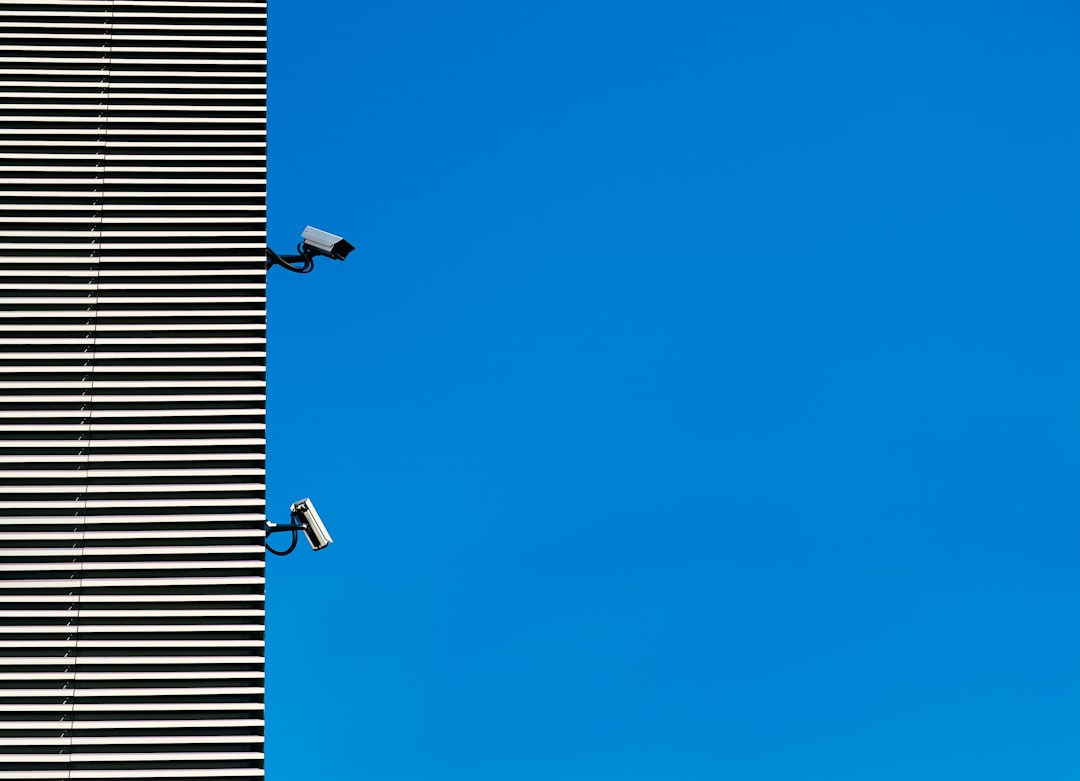
Australian hardware giant Bunnings will test facial recognition cameras in Hamilton stores, joining a growing list of retailers deploying surveillance technology as privacy advocates warn the move normalizes mass biometric tracking without adequate legal safeguards.
The trial, reported by RNZ, marks another step in corporate surveillance expansion across New Zealand and Australia, where retailers are racing ahead of privacy regulation.
Mate, this is part of a regional pattern. Retailers are deploying facial recognition because they can, not because there are clear rules allowing it. Both Australia and New Zealand lack strong biometric privacy protections, and companies like Bunnings are exploiting the gap.
Bunnings says the technology will help identify banned shoplifters and improve security. But privacy advocates argue facial recognition is mass surveillance by corporate policy, not democratic choice. Every customer gets scanned, not just suspected criminals.
The technology raises multiple concerns. First, consent - customers can't meaningfully opt out of facial recognition if they need hardware supplies. Second, accuracy - facial recognition has documented bias problems, particularly for people of color. Third, data security - biometric data is permanent and uniquely sensitive.
In Australia, Bunnings previously deployed facial recognition but faced privacy complaints and suspended the program pending investigation. Now they're trialing it across the Tasman in New Zealand, where privacy law is even weaker.
The pattern is telling: companies test surveillance in jurisdictions with weak regulation, then use the technology's normalcy to resist restrictions elsewhere. It's regulatory arbitrage with privacy rights.