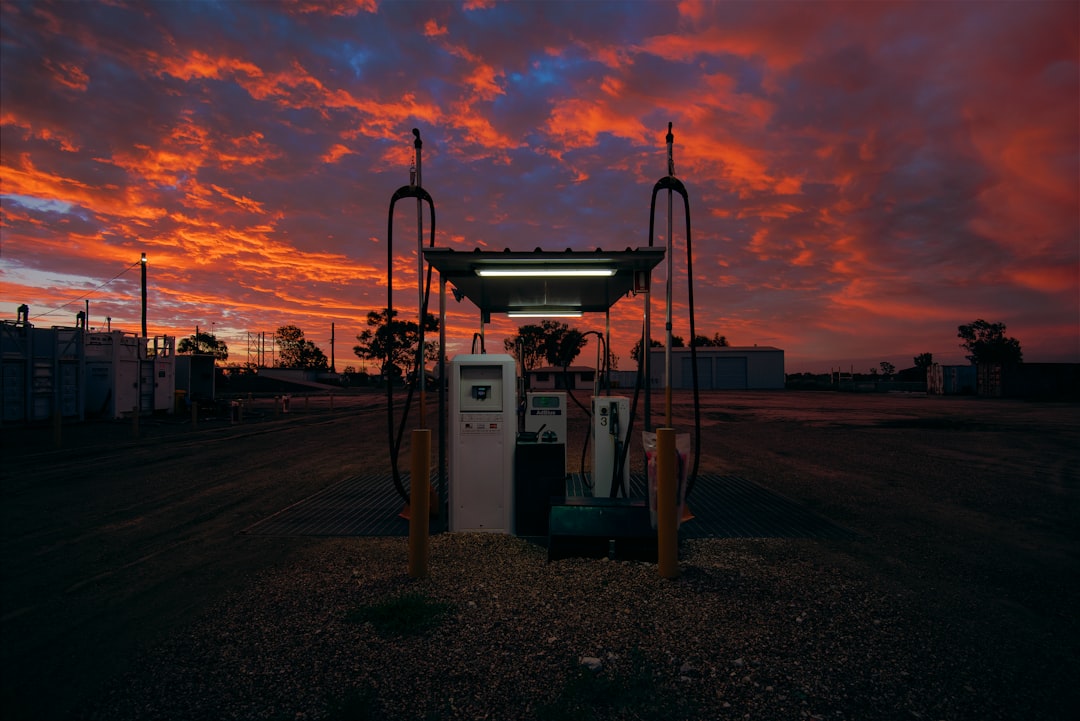
Prime Minister Anthony Albanese announced a 26.3 cents per litre cut to fuel excise for three months, the most aggressive government intervention since the pandemic-era cuts under Scott Morrison."We're making fuel cheaper today because we understand that Australians are under serious pressure," Albanese told media after an emergency National Cabinet meeting.The cut, which applies to both petrol and diesel, comes as international fuel disruptions hammer Australia's imported fuel supply. Australia shut down most domestic refining capacity years ago — a decision now looking short-sighted as global supply chains seize up.The temporary relief will knock roughly $40 off a typical family's monthly fuel bill, according to Treasury modelling. But economists immediately warned the move could force the Reserve Bank into another rate hike in May, potentially wiping out savings through higher mortgage costs.Canberra is gambling that short-term political relief outweighs long-term inflationary pressure. Sound familiar? This is the same playbook Kevin Rudd used during the GFC with cash handouts — money in voters' pockets now, inflation problems later.State divisions exposedThe National Cabinet meeting revealed deep cracks in Australia's federation. While Victoria and Tasmania immediately announced free public transport to ease pressure on commuters, New South Wales and Western Australia flatly refused.NSW Premier Chris Minns cited budget constraints. WA Premier Roger Cook pointed to the state's sprawling geography making public transport less viable. Fair points — but it creates a bizarre two-speed relief system where Melbourne commuters ride free while Sydney workers pay full fare.The political optics are terrible. Australia loves to talk about mateship and pulling together in a crisis, but when it counts, state premiers protect their own budgets first.This crisis exposes 's energy security failure. The country closed its last major refineries — , , — over the past decade as cheap Asian imports undercut domestic production.Now imports over from , , and . When conflicts disrupt global supply or refinery capacity tightens anywhere in , Aussies pay the price.The government maintains strategic reserves of crude oil — but you can't pump crude into your Hilux. Refined product is what matters, and typically holds less than .Defence planners have been sounding alarms about this for years. If a serious regional conflict broke out — say, — could run out of aviation fuel for the RAAF within weeks.While scrambles for fuel relief, spare a thought for the Pacific Islands. , , — nations already struggling with cost-of-living pressures — have zero capacity for excise cuts or strategic reserves.Pacific Island governments are watching and compete for influence while fuel prices threaten to destabilize their economies. has already offered fuel subsidies to and as part of broader strategic partnerships.Energy security isn't just a domestic issue for — it's a regional vulnerability that great powers will exploit.Treasury Secretary reportedly warned Cabinet that cutting excise now could add 0.3-0.4 percentage points to inflation, potentially forcing the RBA's hand on rates.Governor has repeatedly said the Bank won't hesitate to raise rates if inflation expectations become unanchored. A fuel excise cut that boosts consumer spending while supply remains tight is exactly the kind of demand stimulus the RBA doesn't want to see.If the RBA raises rates in May — a growing possibility according to market pricing — mortgage holders will pay more in monthly repayments than they save at the pump. The average mortgage costs roughly . is betting voters will thank him for cheaper fuel and blame the RBA for higher rates. It's a political calculation, not an economic one.Mate, there's a whole continent down here that matters. And right now, we're learning the hard way that energy independence isn't optional — it's survival.
|