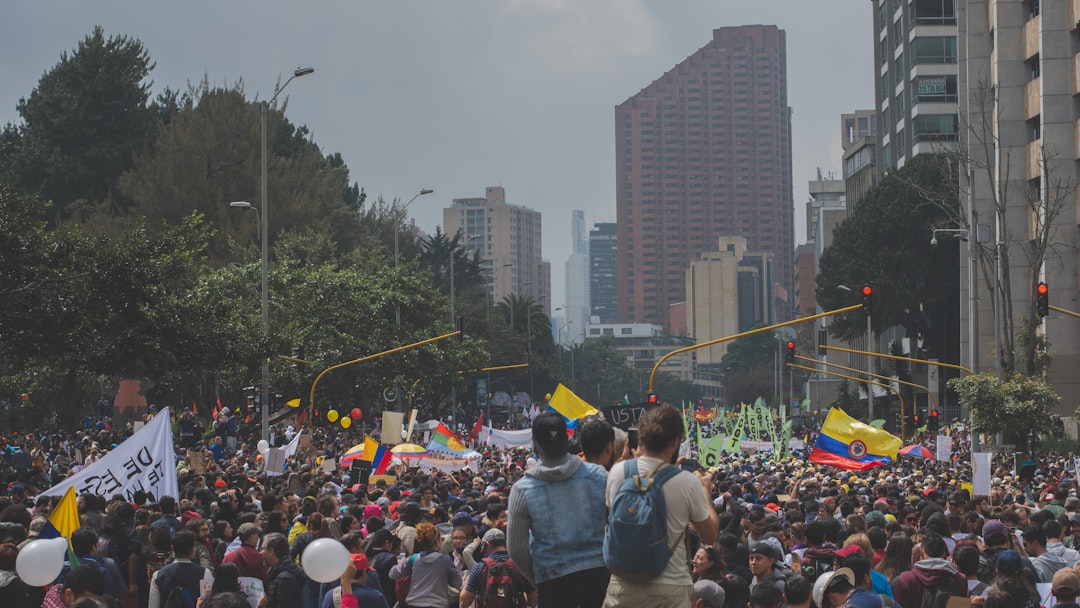

South Africa's anti-immigrant movement known as March and March has intensified calls to bar foreigners from public hospitals and schools—a plan that critics warn could paradoxically harm the very South African citizens it claims to protect.
The movement, which has organized demonstrations outside healthcare facilities and educational institutions, argues that undocumented immigrants are consuming resources meant for South Africans. But according to analysis by concerned citizens, the movement has failed to address a critical question: how will officials distinguish between undocumented foreigners and the substantial population of undocumented South Africans?
A significant number of South African citizens lack identity documents due to economic barriers, geographic isolation, and administrative failures. These are among the nation's most vulnerable populations—people who struggle to access formal education and employment and who depend heavily on government services to survive.
"March and March haven't stated their process on this matter," wrote one South African observer in a detailed analysis shared on social media. "So your guess is as good as mine" on whether officials would judge nationality based on appearance, accent, language proficiency, or names—all deeply flawed methods in a nation with 11 official languages and tremendous ethnic diversity.
The consequences are already emerging. Reports have surfaced of undocumented children in schools being immediately assumed to be foreign nationals, only for verification to reveal they are South African citizens whose families lack the resources or access to obtain proper documentation.
Constitutional law experts have warned that blocking access to healthcare and education based on documentation status would violate South Africa's constitution, which guarantees basic rights to all persons within the country's borders—not just citizens. March and March has indicated it wants to amend the constitution, but until such changes occur, the movement's tactics exist in legal gray areas or outright illegality.
The healthcare implications are particularly serious. Medical professionals have expressed concern about being asked to by turning away patients based on nationality—a practice that could lead to public health crises if infectious diseases go untreated.