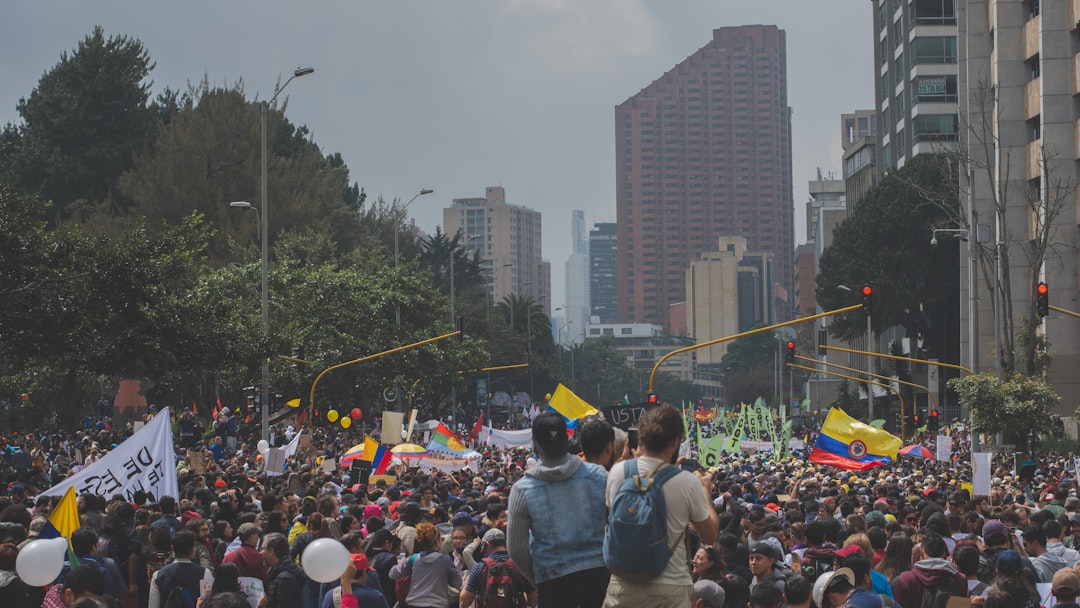
Colombia approaches its May 31 presidential election facing what The Economist has termed "perhaps the most polarized election of any election," as 41.2 million eligible voters prepare to choose between starkly different visions for the country's future.
The British publication's assessment, <link url='https://www.larepublica.co/globoeconomia/segun-the-economist-colombia-tendra-las-elecciones-presidenciales-mas-polarizantes-del-mundo-4400078'>reported by La República</link>, reflects the deep divisions that have emerged following years of controversial peace process implementation and a government described as "chaotic."
Three Competing Visions
Leftist candidate Iván Cepeda of the Pacto Histórico leads polling but is projected to face a runoff. His platform promises land redistribution and continuation of the "Paz Total" peace initiative—the same approach that has struggled to curb violence during the current administration.
On the opposite end, far-right candidate Abelardo de la Espriella has drawn comparisons to El Salvador's Nayib Bukele, proposing hard-line security measures including ten private megaprisons in jungle regions—a dramatic departure from peace negotiations.
Center-right candidate Paloma Valencia of Centro Democrático represents the traditional security approach favoring U.S. cooperation. If elected, she would become Colombia's first female president.
Peace Process Under Scrutiny
The election arrives as Colombia's peace implementation faces significant challenges. Cocaine production has reached record levels, with the country now supplying two-thirds of global cocaine—a stark reminder that transitioning from conflict to stability requires more than signing agreements.
The current government's "Paz Total" initiative, aimed at negotiating with all armed groups simultaneously, has failed to deliver promised security improvements. Healthcare reforms collapsed, and rural development programs meant to offer alternatives to coca cultivation remain underfunded.