Former Spanish Prime Minister José Luis Rodríguez Zapatero has been implicated in a Venezuelan gold laundering scheme involving 5 tons of gold extracted from the crisis-stricken country, according to an investigation by El Mundo based on intercepted Signal communications.
The revelations center on allegations that Zapatero, who has long positioned himself as a mediator in Venezuela's political crisis, allegedly received €100,000 in payments directed to his daughters in connection with facilitating gold transactions while the Venezuelan economy collapsed and millions fled the country.
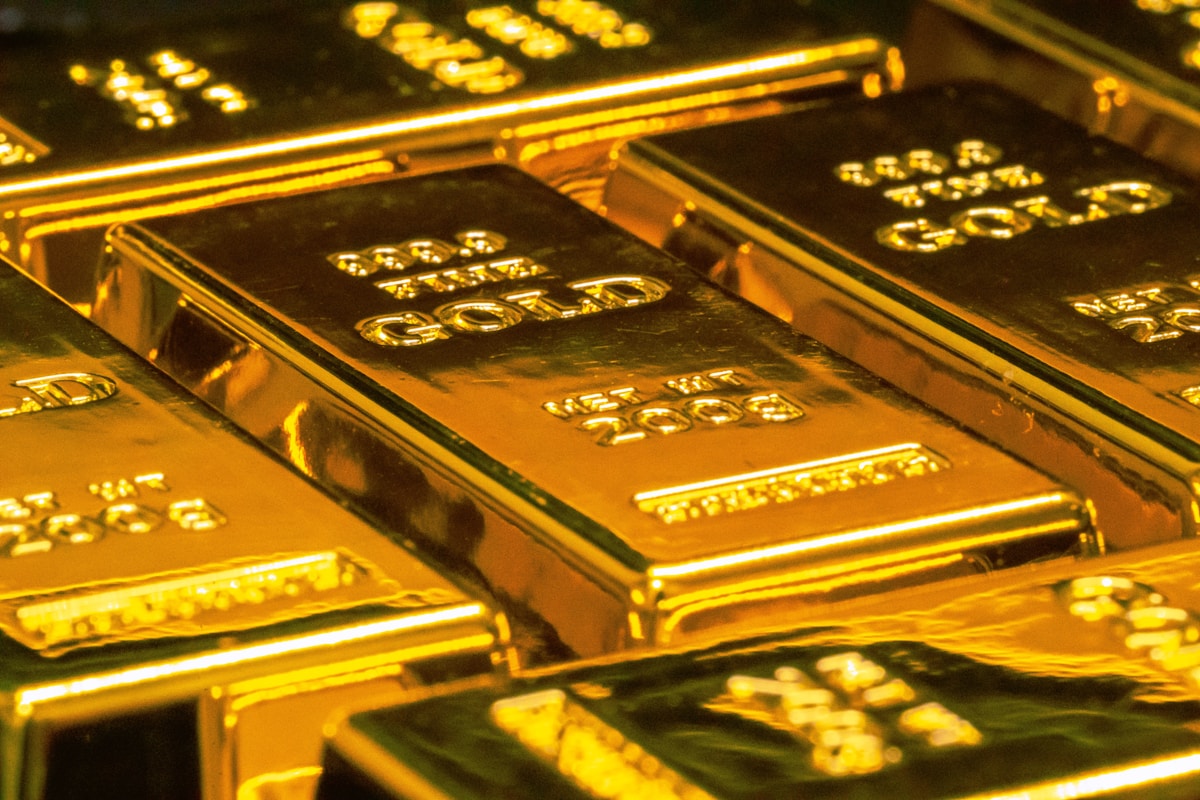
The intercepted Signal chats reportedly detail a network involving Spanish political figures and Venezuelan regime insiders who profited from the extraction and laundering of Venezuelan gold reserves. The scheme allegedly moved 5 tons of gold—worth tens of millions of euros—from Venezuela to international markets through intermediaries.
Zapatero, who served as Spain's Prime Minister from 2004 to 2011, has made repeated trips to Caracas over the past decade, presenting himself as a neutral figure working toward dialogue between the Maduro government and opposition forces. Critics have long questioned his close relationship with the regime.
Venezuelan opposition leader María Corina Machado responded sharply to the revelations, telling El Mundo: "This is part of the most cruel plunder in history." She accused international figures of enriching themselves while Venezuelans suffered through hyperinflation, food shortages, and healthcare collapse.
The scandal exposes how international political networks allegedly profited from Venezuela's crisis. While ordinary Venezuelans watched their country's oil wealth evaporate and infrastructure crumble, gold reserves—one of the few remaining state assets—were systematically extracted and moved abroad.
In Venezuela, as across nations experiencing collapse, oil wealth that once seemed a blessing became a curse—and ordinary people pay the price. The revelation that European political figures allegedly enriched themselves during Venezuela's darkest hours adds a layer of international complicity to the humanitarian catastrophe.
The investigation reportedly includes documentation of payments, communications between intermediaries, and evidence of gold shipments coordinated through companies with ties to both Spanish and Venezuelan officials. Spanish prosecutors are now examining the evidence, though Zapatero has not been formally charged.
Zapatero's office has not issued a detailed response to the allegations. The former prime minister has previously defended his Venezuela mediation efforts as aimed at promoting dialogue and preventing violence, though critics have accused him of providing diplomatic cover for the Maduro regime.
The gold laundering network allegedly operated while Venezuela's economy was in free fall. By 2018, when much of the alleged activity occurred, hyperinflation had destroyed the bolivar's value, hospitals lacked basic medicines, and food scarcity forced many Venezuelans to eat once a day or less.
The scandal also raises questions about other international figures who have maintained close ties to the Venezuelan government while presenting themselves as mediators. The Maduro regime has cultivated relationships with former political leaders across Europe and Latin America, offering lucrative contracts and consulting fees while Venezuela's ordinary citizens suffered.
Venezuelan exile media and opposition figures have long alleged that gold sales represented one of the regime's key mechanisms for converting state assets into hard currency beyond international sanctions. The country's gold reserves have plummeted from over 360 tons in 2009 to less than 100 tons today, with much of it sold through opaque channels.
The investigation continues in Spain, where prosecutors are examining whether any laws were broken. The revelations arrive as Venezuela's humanitarian crisis continues to drive migration across the region, with over seven million Venezuelans having fled since the economic collapse began, many of them traversing Panama en route to North America.