
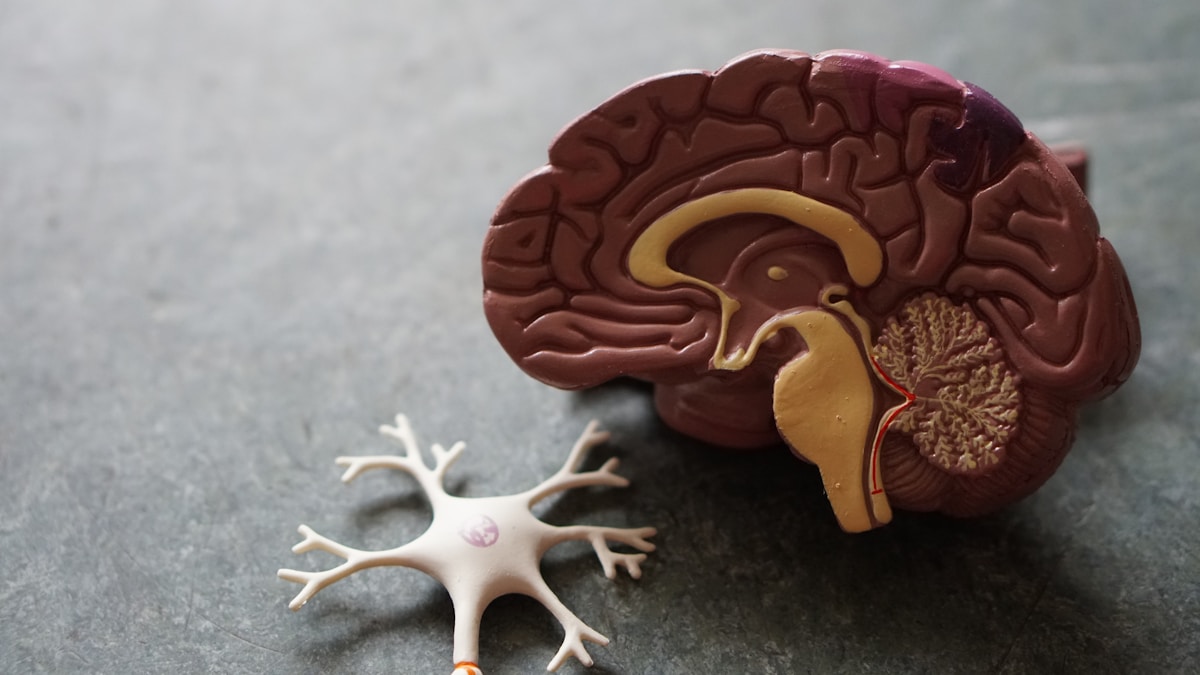
A massive analysis of nearly 2,000 human brains has revealed a surprising mechanism behind Alzheimer's disease: neurons aren't dying quietly—they're burning out in a state of electrical chaos.
Published in Nature Molecular Psychiatry, the research found that Alzheimer's brains show glutamatergic hyperexcitability—essentially, excitatory neurons firing too much, too often. Think of it like an electrical grid overloaded to the breaking point.
Here's the mechanism the researchers uncovered: amyloid beta, the infamous protein that clumps in Alzheimer's brains, increases calcium influx into neurons. That calcium surge promotes heightened activity in excitatory neural networks. Over time, this hyperactivity appears to burn neurons out, leading to the cognitive decline we see in Alzheimer's patients.
What makes this finding significant isn't just understanding the process—it's the therapeutic implications. If hyperexcitability drives neurodegeneration, then drugs that dampen excessive neural activity might slow or prevent Alzheimer's progression.
The research team didn't stop at human brain tissue analysis. They validated their findings across species, using fruit flies (Drosophila) as a model organism. When they reduced the expression of key genes in these hyperactive networks, they were able to suppress neurodegeneration. That's proof of principle that targeting this mechanism could work.
Now, the obligatory reality check: fruit flies aren't humans, and laboratory results don't automatically translate to clinical treatments. We've seen promising Alzheimer's therapies fail in human trials before. But this study's strength lies in its scale—2,000 human brains analyzed through RNA sequencing—and its mechanistic clarity.
The traditional view of Alzheimer's has focused on amyloid plaques and tau tangles as the villains. This research doesn't overturn that framework, but it adds a crucial middle chapter: amyloid doesn't just accumulate passively. It actively drives neurons into a destructive state of overactivity.
Several existing drugs affect neural excitability, though none are currently approved for Alzheimer's based on this mechanism. The question now is whether pharmaceutical companies will revisit compounds that dampen glutamatergic activity with this new understanding in mind.