A traveler planning a family trip to Italy is more nervous than excited about the guided tours, bus rides, and group dinners ahead—not because of jet lag or unfamiliar food, but because of hearing loss.
The concern, shared on r/travel, highlights an underreported accessibility issue affecting millions of travelers: standard hearing aids struggle with background noise and echoing museums, leaving travelers disconnected from shared experiences.
The Guided Tour Problem
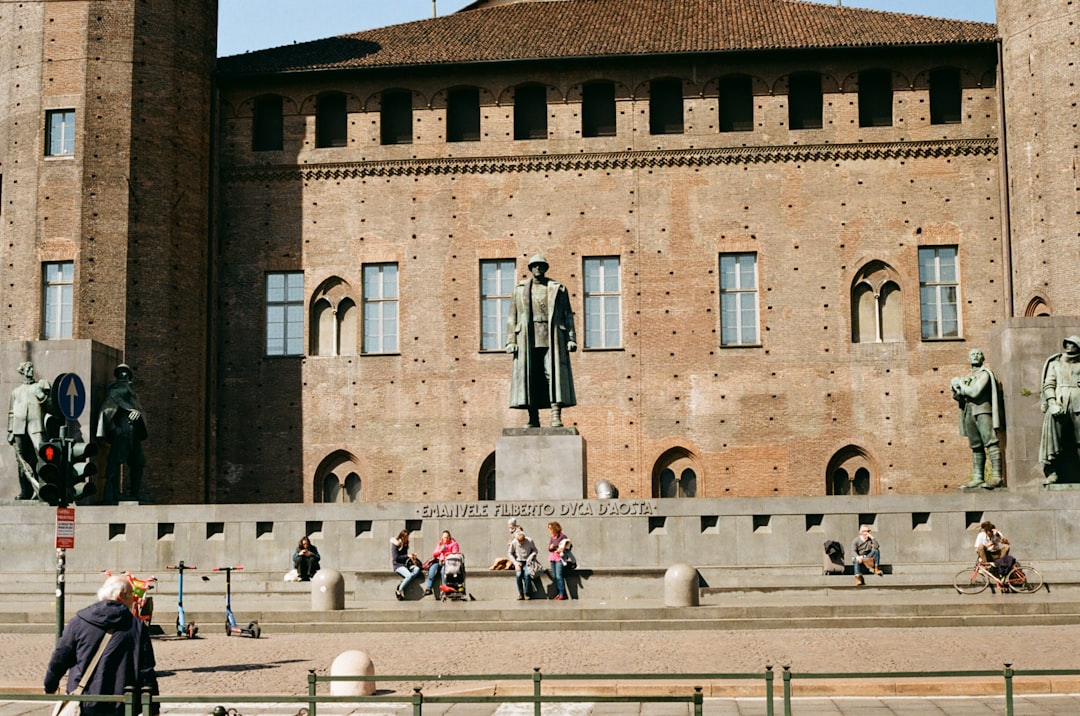
"I'm planning a two-week family trip to Italy next spring and my hearing loss has me more nervous than excited about the guided tours," the traveler wrote. "The tour guides often have strong accents, walk ahead of the group, and speak into echoing museums or busy piazzas where everything blends together."
The challenges are technical and social:
Technical: "My hearing aids boost volume but they can't isolate the guide from background noise or traffic. Phone caption apps are basically useless outdoors when you're trying to look at the Colosseum at the same time and keep up with the group."
Social: "I end up asking family members later what I missed and it makes me feel like I'm not fully part of the memories we're creating."
This disconnect affects an estimated 466 million people worldwide with disabling hearing loss, according to WHO data. As tourism becomes more inclusive, the gap between accommodation policies and practical accessibility becomes increasingly visible.
Current Solutions Fall Short
Most guided tours offer minimal accommodation: