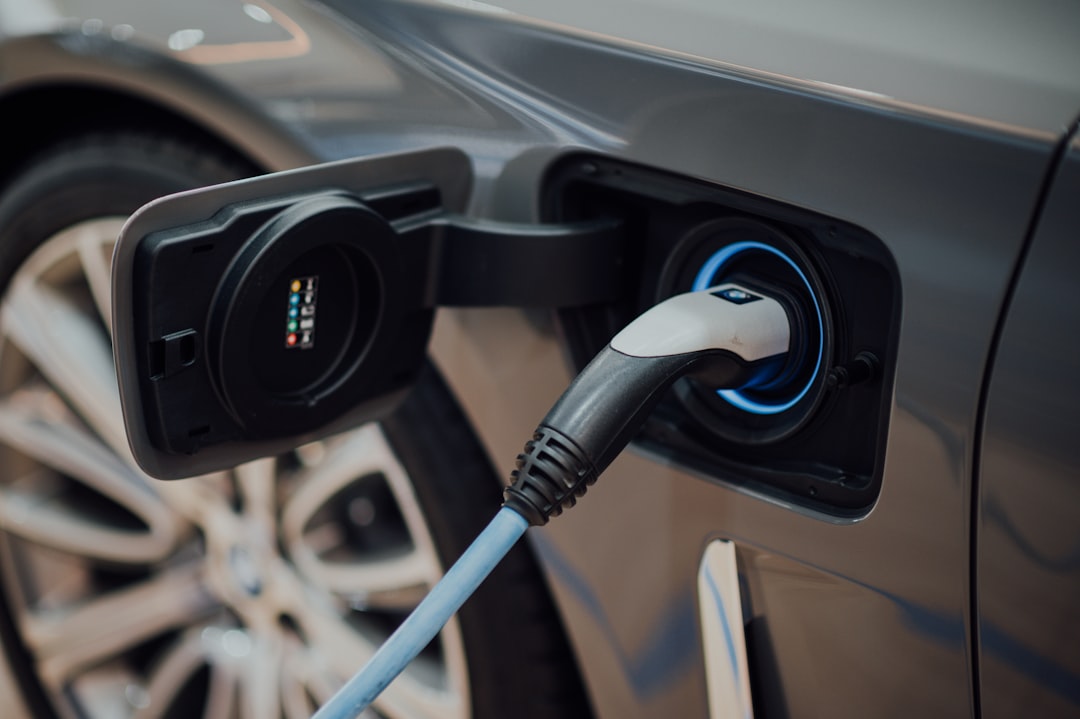
Ohio might soon be home to the world's largest data center - a sprawling SoftBank-backed facility that will consume 10 gigawatts of power. To put that in perspective, it will require a $33 billion natural gas plant equivalent to nine nuclear reactors just to keep the lights on.
Let that sink in. A single data center complex will need the same amount of electricity as a mid-sized country. And this is just one facility.
The AI boom has created an energy crisis that nobody in Silicon Valley wants to talk about honestly. Every new model requires more compute. More compute requires more data centers. More data centers require staggering amounts of electricity. The math doesn't work.
Here's what 10 gigawatts actually means: that's enough power for roughly 7 million homes. Cleveland, Columbus, and Cincinnati combined use less electricity than this one data center will consume. And SoftBank plans to power it primarily with natural gas - so much for the tech industry's climate commitments.
The economics are fascinating in a troubling way. The facility makes sense for SoftBank because AI companies are desperate for compute capacity and willing to pay premium prices. But from a societal perspective, we're talking about dedicating enormous energy resources to train models that generate marketing copy and dating app bios.
Nuclear advocates will point out that nine reactors worth of clean energy would be better than natural gas. They're right. But even then, we'd be dedicating massive nuclear capacity to AI instead of decarbonizing homes, factories, and transportation. The opportunity cost is staggering.
The tech industry's response has been to promise that AI will eventually solve climate change, making today's energy consumption worthwhile. I've heard this pitch in boardrooms. It's not a plan, it's a prayer.
What's more likely: AI companies will keep building these massive facilities as long as the economics work. States will compete to offer tax breaks and expedited permitting. And we'll discover too late that we've built an industry whose energy requirements are fundamentally unsustainable.
The technology is impressive. The question is whether we've thought through the implications of an industry that consumes electricity like a medium-sized nation just to train the next generation of chatbots.