Ukrainian President Volodymyr Zelenskiy accused unnamed European Union allies of "blackmail" on Saturday, using unusually harsh language to describe a dispute over oil pipeline transit that threatens to fracture the Western coalition supporting Kyiv against Russia.
The accusation, reported by the BBC, represents a significant escalation in tensions between Ukraine and several EU member states over energy transit issues. While Zelenskiy did not publicly identify which countries he was criticizing, the dispute involves Slovakia and Hungary, both of which have threatened to block certain forms of aid to Ukraine over the pipeline issue.
To understand today's headlines, we must look at yesterday's decisions. Ukraine has refused to renew a transit agreement that allowed Russian oil to flow through Ukrainian pipelines to Central Europe. Kyiv's position is straightforward: it will not facilitate Russian energy exports that generate revenue for Moscow's war machine.
But for Slovakia and Hungary, the situation is more complicated. Both countries have refineries specifically configured to process Russian crude, and switching to alternative supplies would require expensive infrastructure modifications. Bratislava and Budapest have argued that Ukraine's decision to cut off transit imposes unfair costs on them and threatens their energy security.
The dispute has escalated beyond technical disagreements about pipeline operations. Slovakia and Hungary have reportedly threatened to veto certain EU decisions related to Ukraine unless Kyiv reverses its position on oil transit. It is this linkage—using EU institutional mechanisms to pressure Ukraine on an unrelated issue—that Zelenskiy characterized as blackmail.
The language is striking. Zelenskiy has generally avoided public criticism of European allies, even when frustrated by the pace of military aid or disappointed by diplomatic caution. His decision to use such strong terms suggests deep frustration with what he views as bad faith negotiating tactics by countries that claim to support Ukraine's sovereignty.
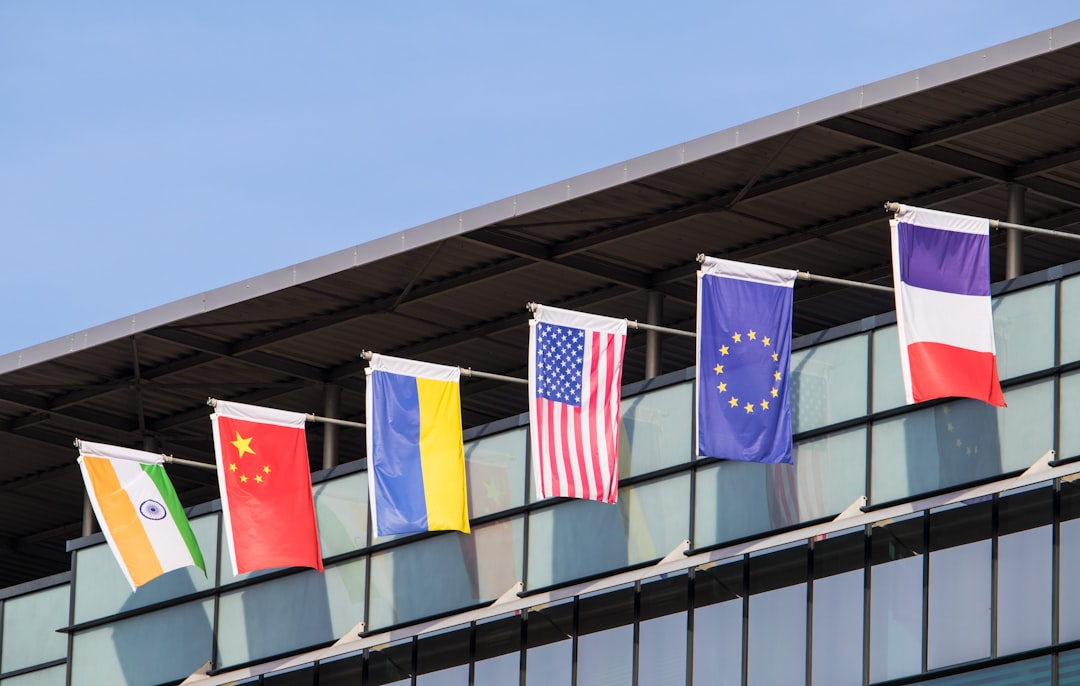
For the broader European Union, the dispute reveals fissures in the coalition supporting Ukraine. While most EU member states have maintained strong solidarity with Kyiv, Hungary in particular has pursued a more ambiguous approach, maintaining closer relations with Moscow than other European capitals and occasionally obstructing EU decisions on sanctions or aid.
Slovakia's position is more complex. The country's government has generally supported Ukraine but faces genuine domestic pressures related to energy costs and economic competitiveness. Slovak officials argue they are being asked to bear disproportionate costs for implementing European sanctions against Russia.
The underlying challenge is that Ukraine and certain EU member states have genuinely conflicting interests on this specific issue. Kyiv believes it has a moral and strategic imperative to cut off Russian energy exports. Slovakia and Hungary face real economic costs from that decision. Neither position is entirely unreasonable, which makes compromise difficult.
What transforms this from a technical dispute into a political crisis is the attempt to leverage EU decision-making mechanisms to force Ukraine's hand. Zelenskiy's "blackmail" accusation suggests he will not yield to such pressure, even at the cost of souring relations with specific European governments.
For Ukraine, the timing is particularly difficult. As the war approaches its third anniversary, maintaining Western unity and support remains essential. Any signs of division within the coalition could embolden Moscow and undermine Kyiv's negotiating position in any future peace talks.
The pipeline dispute is unlikely to be resolved quickly. It requires either Ukraine backing down on a matter of principle, Slovakia and Hungary accepting economic costs they consider unjust, or the EU devising compensation mechanisms that satisfy all parties. None of these outcomes appears imminent, suggesting the "blackmail" controversy may continue to strain alliance cohesion in the weeks ahead.