South Korea has launched its first official program to honor foreign workers who die in industrial accidents, confronting a stark disparity that reveals the dangerous conditions migrant laborers face: while comprising just 3.5 percent of the workforce, they account for over 10 percent of annual workplace fatalities.
The initiative, spearheaded by the Korea Workers' Compensation and Welfare Service (K-COMWEL), began with a memorial ceremony at Incheon International Airport in March for Nguyen Van Tuan, a 23-year-old Vietnamese worker killed in a conveyor belt accident at a gravel factory in Icheon, the Korea Times reported.
Park Jong-kil, K-COMWEL president, bowed before a memorial adorned with flowers and Tuan's photograph, offering condolences to the friend escorting his remains home. "The language was different, but the grief was the same," Park recalled in an interview ahead of Industrial Accident Workers' Memorial Week, which runs through May 4.
The ceremony transformed what would have been a lonely departure into a moment of national recognition—and exposed a troubling reality about Korea's transformation from labor exporter to importer.
From Exporters to Importers
Park's commitment stems from discovering that families of deceased migrant workers often abandon their loved ones' remains in Korea because they cannot afford repatriation costs. The new program addresses this by expanding funeral benefits to include air travel support for families, accommodation costs, cremation expenses, and remains transportation.
The initiative carries particular resonance because Korea itself was once a labor-exporting nation. During the country's rapid industrialization in the 1960s and 70s, Korean nurses and miners traveled to West Germany, enduring similar hardships in foreign lands. "We also experienced the hardships of working overseas," Park said. "That experience should be our standard for treating migrant workers—not as simple labor, but as constituents who deserve respect and equal protection from danger."
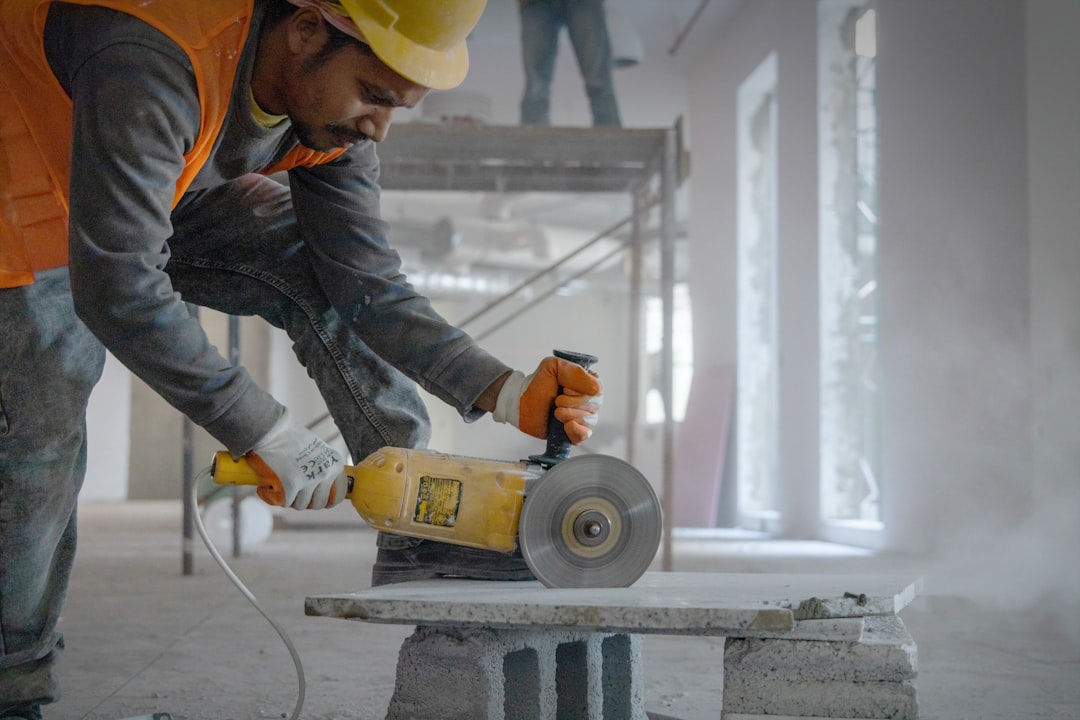
Yet the death rate disparity tells a different story. According to Ministry of Employment and Labor data, 605 workers died in industrial accidents last year. Foreign workers, representing roughly 3.5 percent of the workforce, accounted for more than 10 percent of those deaths—a disproportionate toll that highlights severe safety vulnerabilities in sectors where migrant labor concentrates, including construction, manufacturing, and agriculture.
Insurance Regardless of Immigration Status
K-COMWEL has taken the significant step of confirming that its industrial accident insurance covers all workers regardless of immigration status—a crucial message for Korea's more than 1 million foreign workers, including undocumented laborers who may fear seeking help.
The policy was tested in February when a Thai worker suffered severe internal injuries after his Korean employer at a factory in Hwaseong allegedly shot him with a high-pressure air gun. Despite being undocumented, K-COMWEL confirmed he would receive full industrial accident compensation. "Even undocumented workers are protected," Park emphasized. "If you're injured at work, you're covered, period. Age, legal status—none of it matters."
The current insurance system, introduced in 1964 when Korea had virtually no foreign workers, does not cover repatriation costs or memorial services. K-COMWEL is now pushing regulatory reforms to institutionalize these expanded funeral benefits.
Broader Safety Net Challenges
The initiative reflects Korea's ongoing struggle to adapt institutions designed for a homogeneous society to the realities of a multicultural workforce. As the country ages rapidly and birth rates plummet, reliance on foreign labor has become structural rather than temporary—yet social protections and workplace safety cultures have lagged behind demographic reality.
Park pledged sustained commitment to eliminating insurance coverage blind spots, expediting compensation decisions, and expanding rehabilitation and psychological support for injured workers. "Through systems and policies, we will ensure no injured worker and no bereaved family is left alone," he said.
In Korea, as across dynamic Asian economies, cultural exports and technological leadership reshape global perceptions—even as security tensions persist. How the country treats its most vulnerable workers will ultimately measure the strength of its social fabric. The memorial program represents a step toward recognizing that foreign workers are not temporary visitors but essential contributors to Korean prosperity, deserving of dignity in death as in life.