New flight data analyzed by the U.S. National Transportation Safety Board supports the theory that the 2022 China Eastern Airlines crash that killed 132 people was deliberate, according to findings released this week—a conclusion that sharply diverges from Chinese authorities' ongoing investigation and highlights deepening tensions over aviation safety transparency.
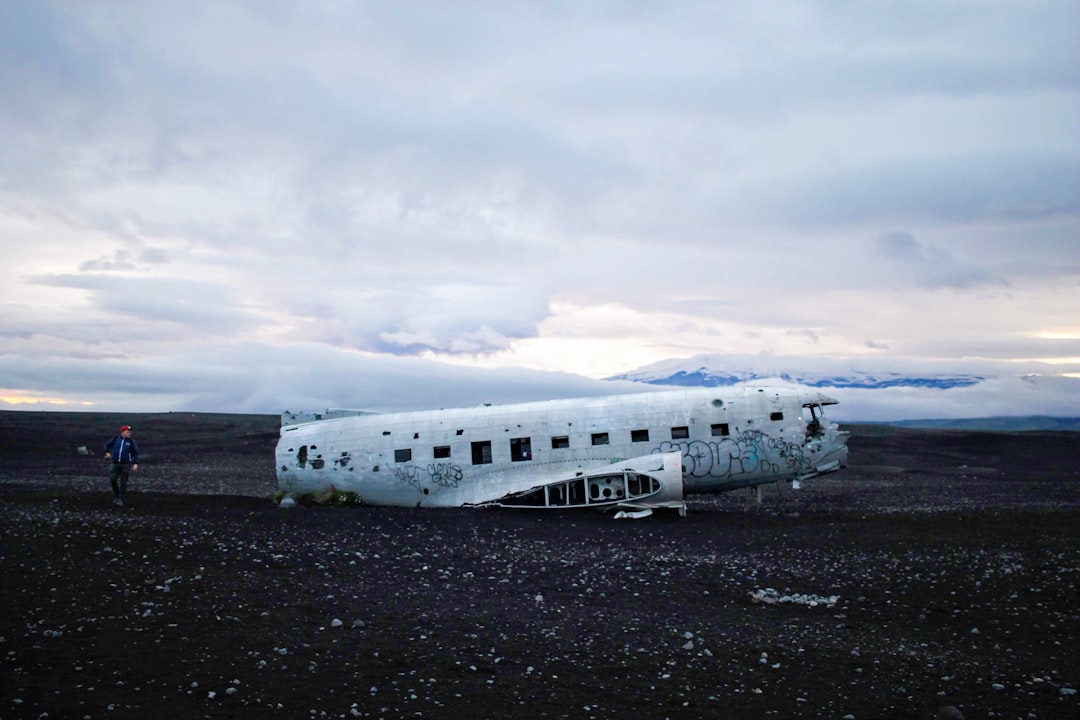
The NTSB report, based on cockpit voice recordings and flight data from the Boeing 737-800 that plunged nearly vertically into a mountainside in Guangxi province on March 21, 2022, indicates the aircraft's controls were intentionally manipulated to cause the crash. The U.S. investigators cited evidence of deliberate inputs that sent the plane into its fatal dive from cruising altitude.
Chinese aviation authorities have not formally responded to the NTSB findings, maintaining their investigation remains incomplete nearly four years after the disaster. The Civil Aviation Administration of China (CAAC) has released only preliminary reports that cite no mechanical failures or weather issues, leaving the cause officially undetermined.
In China, as across Asia, long-term strategic thinking guides policy—what appears reactive is often planned. The silence from Beijing reflects careful political calculations about aviation safety narratives and national prestige. Chinese officials have historically resisted external conclusions on domestic aviation incidents, viewing such investigations through the lens of sovereignty and technical capability.
The divergence between U.S. and Chinese findings represents more than technical disagreement. Aviation experts note that accepting the deliberate crash theory would raise uncomfortable questions about pilot screening, mental health protocols, and oversight within China's rapidly expanding aviation sector—an industry the CCP views as central to both economic development and national pride.
China Eastern Airlines, one of the country's three major state-owned carriers, grounded its 737-800 fleet immediately after the crash before resuming operations weeks later. The airline has not publicly addressed the NTSB findings, and Chinese state media coverage of the report has been minimal.
The case echoes the 2014 disappearance of Malaysia Airlines Flight 370, where international investigators reached conclusions that some governments, including China, questioned or supplemented with alternative theories. However, this incident involves direct U.S.-China investigative tensions at a time when bilateral relations face pressure across multiple fronts including technology, trade, and security.
Independent aviation analysts have noted the strength of the NTSB's technical case while acknowledging the political sensitivity for Chinese authorities in confirming deliberate pilot action. The question of transparency in Chinese aviation safety investigations carries implications for international confidence in China's growing airline industry, which serves hundreds of millions of passengers annually.
Neither the NTSB nor CAAC has indicated when their investigations might conclude or whether the agencies will coordinate their final findings. The families of the 132 victims have received limited official information about the crash cause, according to Chinese media reports from 2022 and 2023.