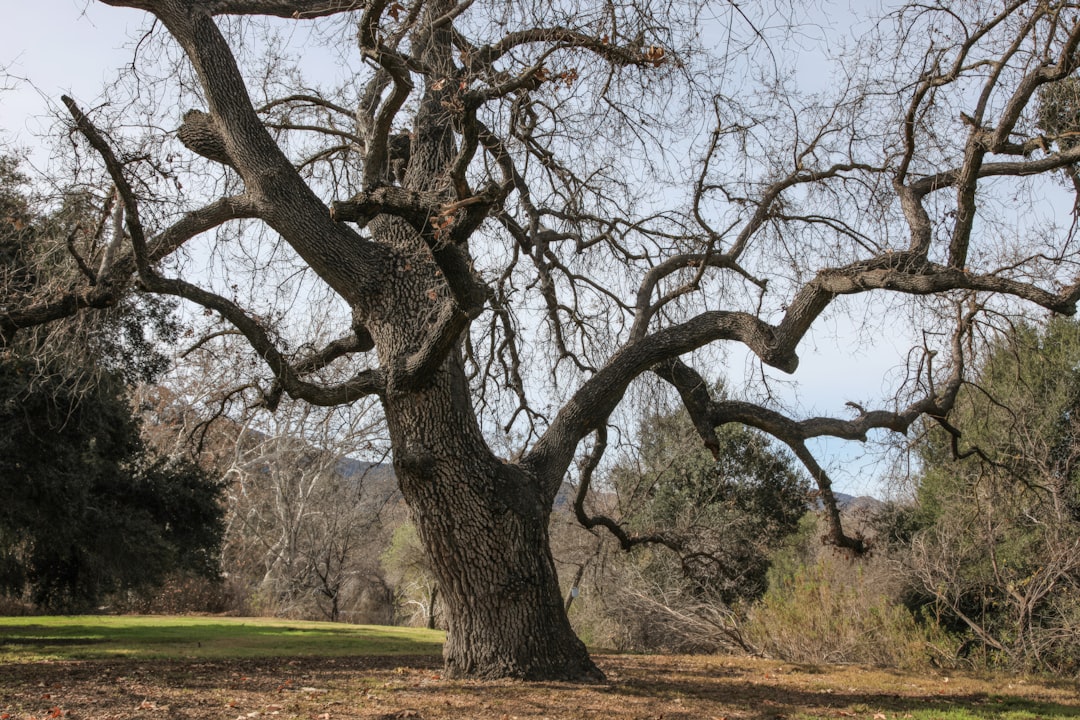
A coast live oak in California that has witnessed 13,000 years of human history—predating the pyramids, agriculture, and every human civilization—has been granted permanent protection from a proposed mega-development.
The ancient tree, located in Jurupa Valley, stands as one of the oldest known living organisms on Earth. Its age surpasses the entire span of recorded human history by millennia. Local conservation groups successfully lobbied developers and county officials to preserve the site, ensuring the oak's survival for future generations.
In nature, as across ecosystems, every species plays a role—and humanity's choices determine whether the web of life flourishes or frays. The decision to protect this oak represents a rare moment when development pressures yielded to natural heritage.
The tree's protection came after environmental advocates documented its extraordinary age and ecological significance. Coast live oaks typically live 200-300 years, making this specimen's longevity exceptional even among its long-lived peers. The tree likely survived through clonal growth—sending up new shoots from an ancient root system that has persisted since the end of the last Ice Age.
The proposed development would have placed residential and commercial structures within the tree's critical root zone, almost certainly killing the organism that has endured since humans were still hunter-gatherers. Instead, the site will now be incorporated into protected open space, with access trails allowing the public to witness this living monument to deep time.
California has lost an estimated 90% of its original oak woodlands to urban sprawl and agriculture over the past two centuries. Each surviving ancient oak represents not just an individual tree, but an entire ecosystem—providing habitat for hundreds of species from acorn woodpeckers to western fence lizards, and serving as a crucial food source during lean years when other plants fail.
The victory demonstrates that conservation can succeed when communities mobilize around irreplaceable natural heritage. Similar efforts have saved ancient bristlecone pines in the White Mountains and giant sequoias in the , though threats from climate change and development continue to mount.