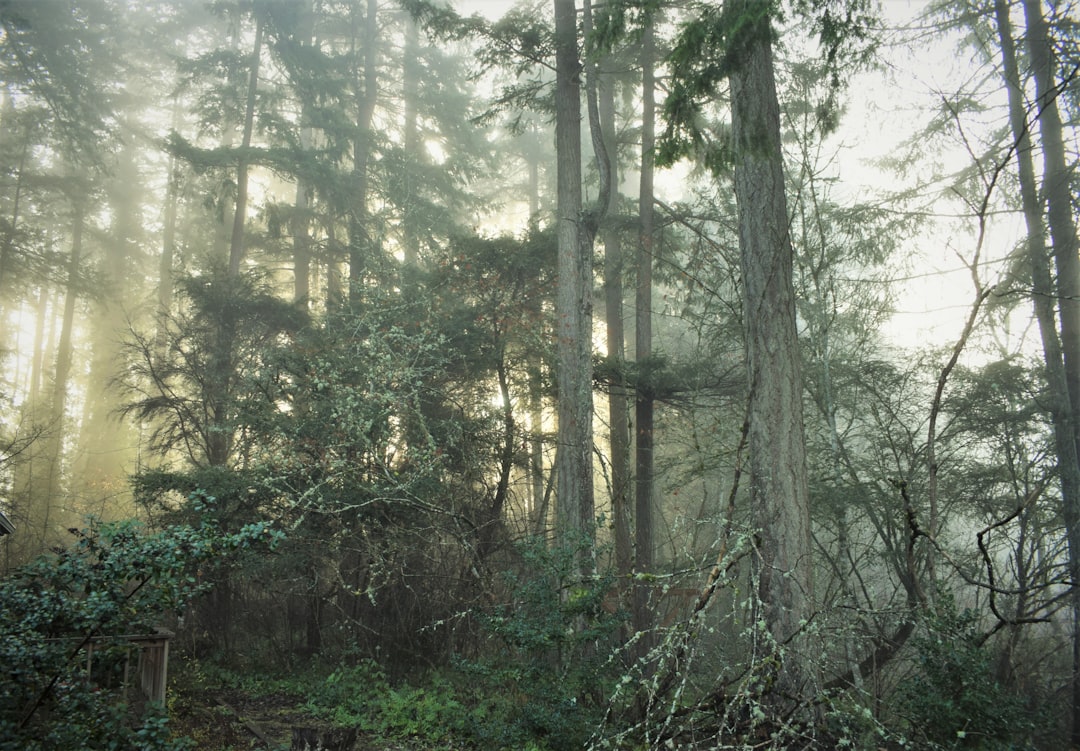
A grassroots fundraising campaign has rescued a patch of old-growth forest in western Washington from planned logging, demonstrating how community action can protect irreplaceable ecosystems even on state-managed lands.
The conservation effort, reported by the Washington State Standard, raised funds to compensate the state for timber revenues it would have gained from harvesting the ancient trees. The forest, managed by the Washington Department of Natural Resources, was scheduled for commercial logging before local residents and environmental groups mobilized to save it.
In nature, as across ecosystems, every species plays a role—and humanity's choices determine whether the web of life flourishes or frays. This forest's survival shows that when communities value natural heritage over short-term resource extraction, creative solutions emerge.
Old-growth forests in the Pacific Northwest have declined by more than 90% since European settlement, with most remaining stands on federal lands. State trust lands—managed to generate revenue for schools and public institutions—face constant pressure for logging, making community-funded conservation increasingly vital.
The saved forest provides critical habitat for species that depend on ancient forest characteristics: massive trees, complex canopy layers, standing dead wood, and fallen logs that take centuries to develop. Northern spotted owls, marbled murrelets, and Pacific fishers all require these irreplaceable ecosystems, and none can survive in younger, managed forests.
Conservationists note that while this victory is significant, countless other at-risk forests lack similar community resources. The fundraising model works for individual stands but cannot scale to protect the thousands of acres of state-managed old growth still threatened by logging across Washington.
The effort reflects growing recognition that old-growth forests provide values beyond timber: carbon storage, water filtration, biodiversity refuges, and cultural significance that far exceed the one-time revenue from logging. As climate change intensifies, these ancient ecosystems become even more critical as resilience anchors in rapidly changing landscapes.