
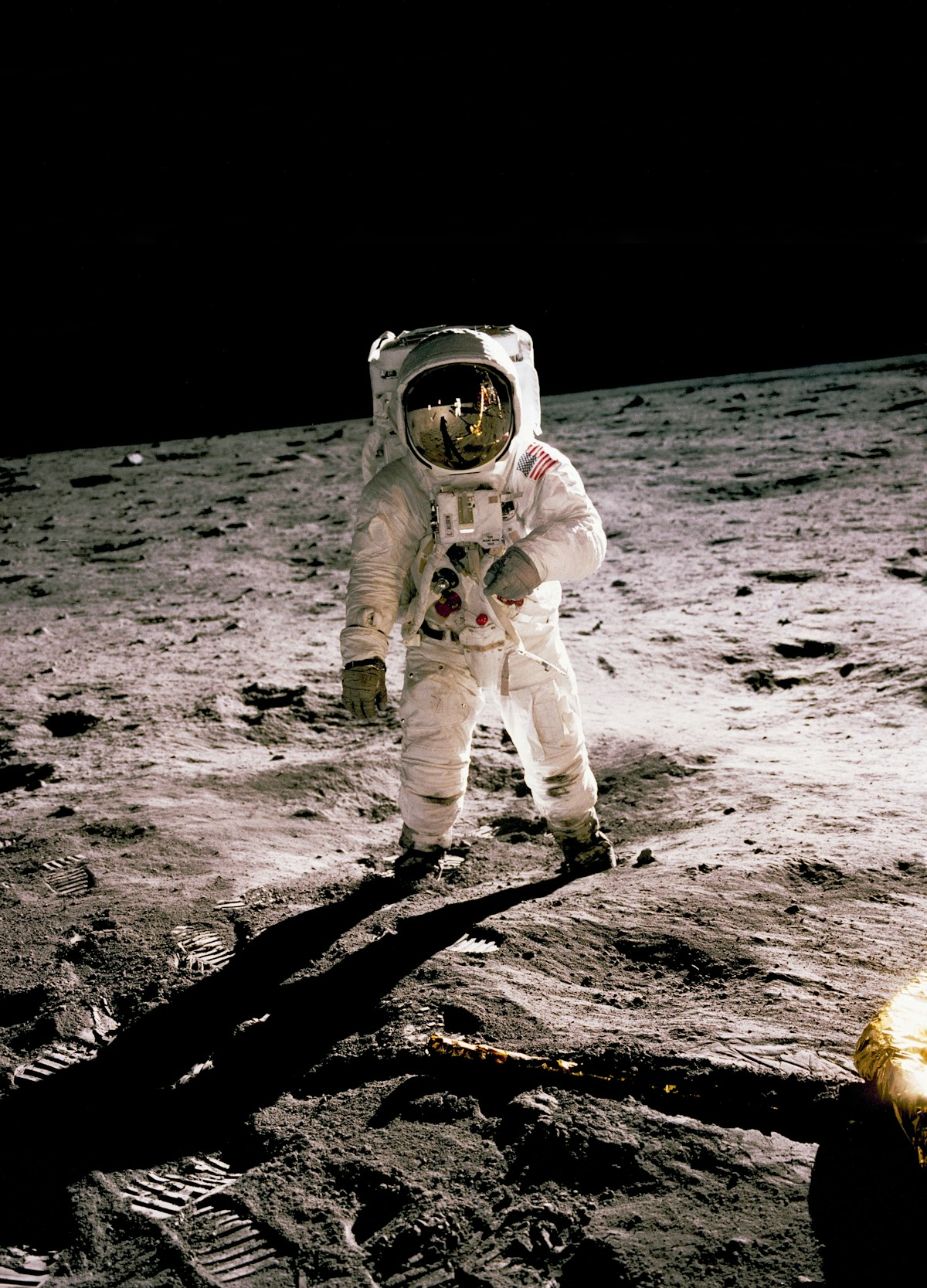
With Artemis II astronauts safely back on Earth, NASA faces a critical question: what comes next in humanity's return to the Moon? The answer reveals sophisticated thinking about managing technical risk while coordinating an unprecedented mix of government and commercial spacecraft.
NASA is now targeting mid-2027 for Artemis III—but not the lunar landing mission originally planned. Instead, the agency will conduct a low Earth orbit docking test where Orion will rendezvous with SpaceX's Starship Human Landing System and possibly Blue Origin's Blue Moon lander. Think Apollo 9, not Apollo 11.
The decision represents smart programmatic risk management rather than timidity. Testing complex docking operations in LEO—where crews can return to Earth within hours if problems arise—mirrors the methodical approach that made Apollo successful. Apollo 9 validated the Lunar Module's systems and practiced rendezvous procedures in Earth orbit before Apollo 10 took those systems to the Moon and Apollo 11 landed.
In space exploration, as across technological frontiers, engineering constraints meet human ambition—and occasionally, we achieve the impossible. But achieving the impossible requires careful validation of each capability before committing crews to situations where rescue is impossible.
The Artemis architecture differs fundamentally from Apollo. Where Apollo used government-built hardware exclusively, Artemis combines NASA's Orion spacecraft and Space Launch System with commercial lunar landers. SpaceX's Starship HLS—a variant of the company's massive fully-reusable rocket—will carry astronauts from lunar orbit to the surface and back. Blue Origin's Blue Moon provides a backup option and additional landing capability.
Coordinating these systems creates complexity Apollo never faced. Orion must dock with Starship in lunar orbit, transfer crew, separate safely, then reunite days later after the surface mission. The docking interfaces must work perfectly. Communications between spacecraft must function reliably. Crew transfer procedures must be validated. Testing these operations in LEO reduces risk before committing to the eight-day round-trip communications delay of lunar orbit.
The LEO docking test also accommodates commercial development timelines. Both SpaceX and Blue Origin are developing their lunar landers concurrently with NASA's preparations. Starship is conducting orbital test flights but hasn't yet demonstrated the in-orbit refueling required for lunar missions—a technology requiring multiple tanker launches to fill Starship's massive propellant tanks in space. Blue Moon is in earlier stages of development. A 2027 LEO rendezvous gives both companies time to mature their systems.