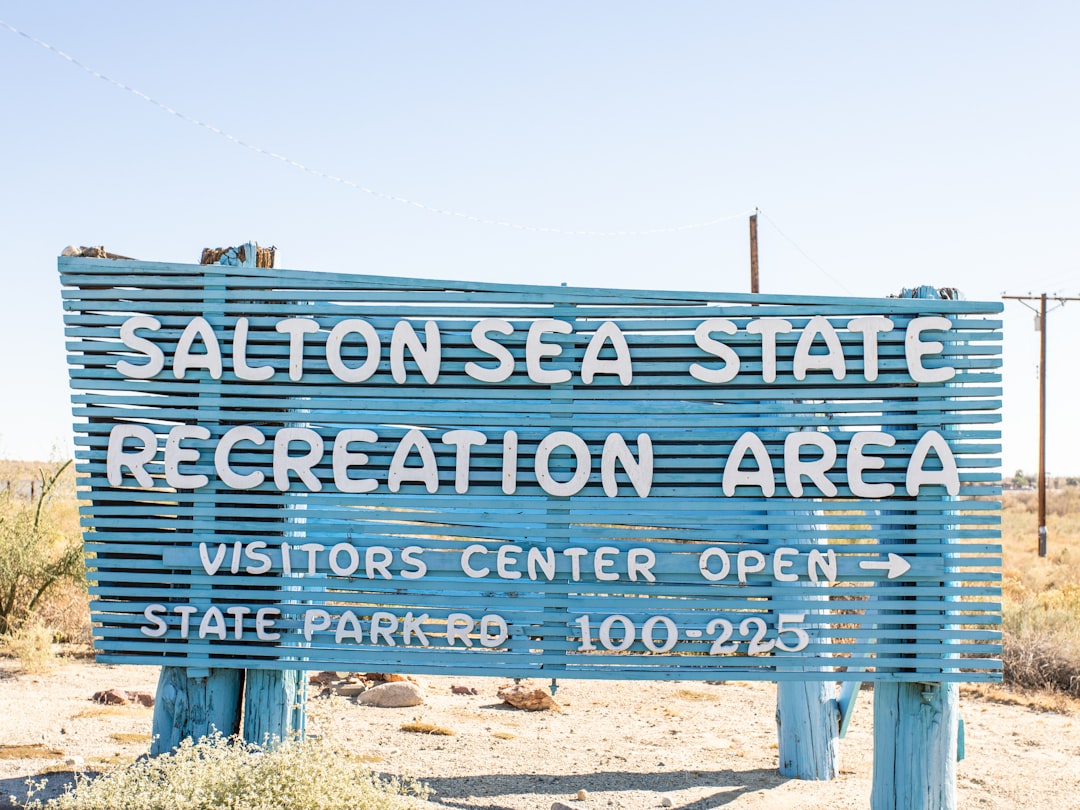
California has established a new conservancy agency tasked with rescuing the Salton Sea—the state's largest lake and a critical bird habitat now facing ecological collapse after decades of neglect and agricultural runoff.
The Salton Sea Conservancy, approved by the state legislature and signed into law this week, will coordinate restoration efforts for the shrinking desert lake that has become one of California's most pressing environmental justice and ecological challenges. The agency consolidates authority previously fragmented across multiple state departments, aiming to accelerate projects that have languished for years amid bureaucratic complexity and funding shortfalls.
The Salton Sea formed accidentally in 1905 when Colorado River floodwaters breached an irrigation canal, creating a vast inland water body in the Imperial Valley. For decades it thrived as an unlikely ecological refuge, becoming a crucial stopover on the Pacific Flyway migration route. More than 400 bird species depend on the sea and surrounding wetlands, with populations including endangered species like the Yuma clapper rail.
But the sea has no natural outlet. As agricultural drainage diminished in recent decades—partly due to water transfers to coastal cities—the lake began shrinking rapidly. Water levels have dropped more than 40 feet since the 1990s, increasing salinity beyond most species' tolerance and exposing vast expanses of lakebed.
Those exposed shorelines pose severe health threats. The lakebed sediments contain agricultural pesticides, heavy metals, and naturally occurring toxins accumulated over a century. Desert winds whip the contaminated dust into massive storms that plague nearby communities—predominantly Latino farmworker towns with limited resources to address respiratory health impacts.
"Children in our schools miss class because they can't breathe," said Maria Hernandez, a community organizer in Calipatria. "We've been demanding action for years while our families suffer."
Public health studies link the toxic dust to elevated asthma rates, cardiovascular disease, and other respiratory illnesses in Imperial and Riverside counties. The environmental justice dimensions are stark: the burden falls overwhelmingly on low-income communities of color with little political power.
The new conservancy will oversee habitat restoration projects, dust suppression efforts, and long-term planning for the sea's future. Initial priorities include expanding wetland areas to provide bird habitat while covering exposed lakebed with water, vegetation, or other materials to prevent dust emissions.
But the challenges are formidable. Comprehensive restoration could cost billions of dollars over decades—funding the state has struggled to secure amid competing budget priorities. Previous restoration plans have stalled repeatedly, leaving communities frustrated by broken promises.
"We've seen many plans and little action," noted Dr. Ryan Sinclair, an environmental health researcher at Loma Linda University who has studied the sea's health impacts. "This conservancy represents a structural improvement, but success requires sustained political will and adequate resources."
In climate policy, as across environmental challenges, urgency must meet solutions—science demands action, but despair achieves nothing. The Salton Sea crisis exemplifies how environmental neglect compounds over time, creating problems that grow exponentially more difficult and expensive to address.
The ecological stakes extend beyond the immediate region. The Salton Sea provides irreplaceable habitat in an arid landscape where wetlands are scarce. Migrating birds traveling between Alaska and South America depend on these stopover sites for rest and feeding. As the sea deteriorates, scientists have documented population declines among species that historically thrived there.
Climate change intensifies the challenges. Rising temperatures increase evaporation rates, accelerating the sea's shrinkage even as water management becomes more constrained throughout the drought-prone Colorado River basin. The region faces a double squeeze—less water available as demands increase.
The conservancy's creation reflects growing recognition that piecemeal approaches have failed. Previous efforts operated through interagency task forces without dedicated authority or resources, allowing projects to be repeatedly delayed or scaled back. The new structure provides a single accountable entity—though success still depends on state funding commitments.
Environmental groups cautiously welcomed the development while emphasizing that establishing the agency is merely a first step. Audubon California has called for aggressive timelines and enforceable benchmarks to prevent further delays.
"We can't afford another decade of studies and pilot projects," said Andrea Jones, director of bird conservation for Audubon. "The ecological window is closing rapidly."
Some innovative approaches offer hope. Geothermal energy development beneath the sea could provide both clean power and revenue streams for restoration funding. The region sits atop significant lithium deposits that could support electric vehicle battery production—a climate solution that might finance environmental restoration.
These synergies between renewable energy, environmental restoration, and environmental justice represent the integrated approaches needed for effective climate adaptation. The Salton Sea need not remain solely a cautionary tale of environmental neglect—it could become a model for landscape-scale restoration that addresses multiple challenges simultaneously.
But that transformation requires moving beyond symbolic gestures to sustained investment and implementation. Communities living with toxic dust storms need results, not more planning documents. Migratory bird populations cannot wait indefinitely for habitat protection.
The new conservancy faces the test that confronts climate policy broadly: whether institutions can match the scale and urgency of the challenges they're meant to address. For residents breathing contaminated air and ecologists watching species populations decline, the answer cannot come soon enough.