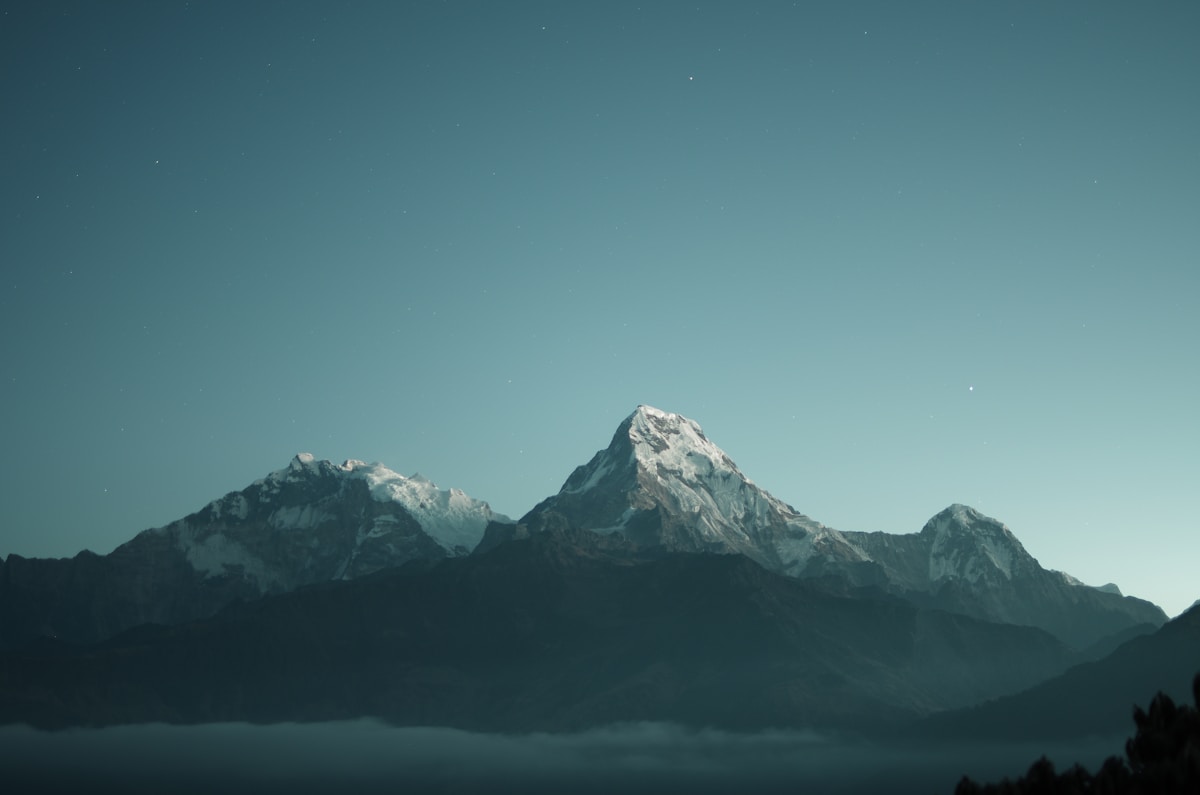
The Western United States is facing an unprecedented water crisis as mountain snowpack—the region's natural reservoir—reaches historic lows that threaten drinking water, agriculture, and hydroelectric power for tens of millions of people.
"We're in uncharted territory right now, and we're headed toward the lowest snowpack we've ever had on Feb. 1," according to NBC News, despite recent winter storms that brought temporary relief but failed to reverse alarming deficits.
Snowpack in the Sierra Nevada, Rocky Mountains, and Cascade Range typically stores water through winter, releasing it gradually through spring and summer to feed rivers, reservoirs, and aquifers across seventeen states. This year's measurements show critically low accumulation across nearly all major watersheds, with some regions recording snowpack levels 30-50% below average.
The immediate implications are staggering. California's Central Valley—America's agricultural powerhouse producing 40% of the nation's fruits, nuts, and vegetables—depends almost entirely on Sierra snowmelt. Colorado River basin states, already navigating mandatory water cuts, face even deeper shortages that will ripple through Las Vegas, Phoenix, Los Angeles, and farmland across the Southwest.
In climate policy, as across environmental challenges, urgency must meet solutions—science demands action, but despair achieves nothing. Yet the snowpack crisis illustrates how climate change transforms abstract projections into immediate, tangible threats.
Hydroelectric facilities across the West generated last year due to low reservoir levels, forcing utilities to rely more heavily on natural gas plants and raising electricity costs. This year promises to intensify that trend, undermining renewable energy goals while fossil fuel generation increases.