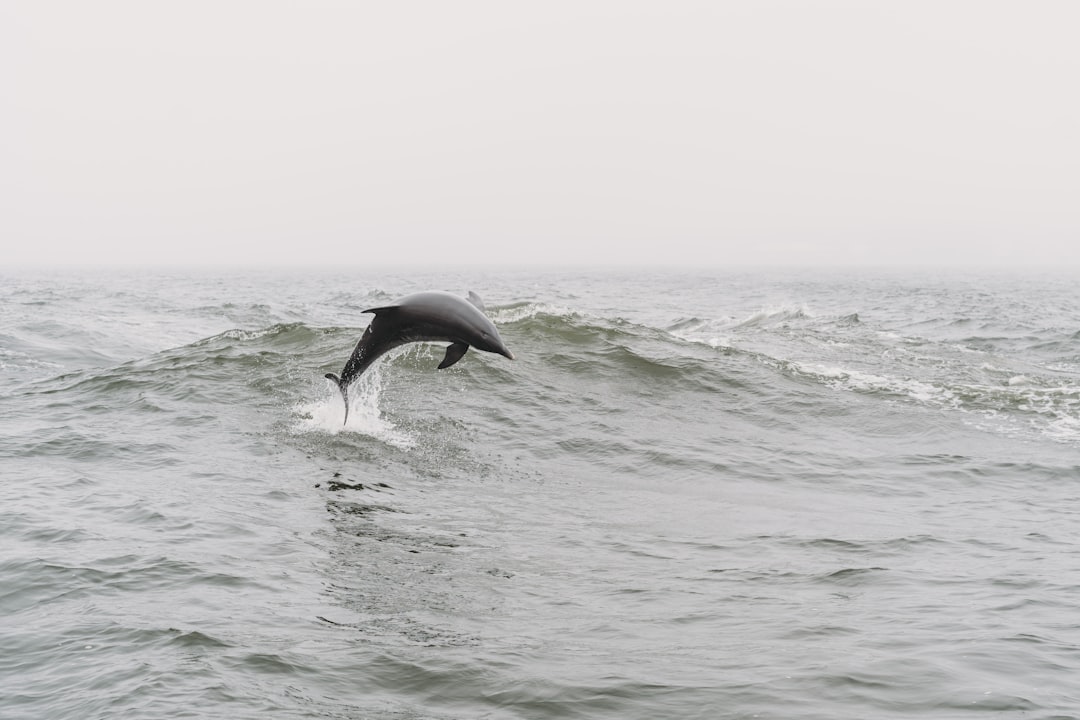
The Rice's whale—a species that has swum in the Gulf of Mexico for hundreds of thousands of years, predating modern humans—stands on the precipice of extinction. With fewer than 50 individuals remaining, these critically endangered marine mammals now face an accelerated path toward oblivion as the Trump administration rolls back protections and expands offshore drilling in their only known habitat.
The crisis deepens daily. Recent policy changes have removed restrictions on seismic surveys and drilling operations that marine biologists warn could deliver the final blow to a population already teetering on the edge of collapse. Every whale matters when you're counting survivors on your fingers.
"We're watching a species that survived ice ages, sea level changes, and hundreds of thousands of years of environmental shifts potentially disappear because of policy decisions made in a matter of months," explains Dr. Melissa Rodriguez, a marine mammal specialist who has studied Rice's whales for over a decade. "This isn't extinction by meteor strike—this is extinction by choice."
Rice's whales were only recognized as a distinct species in 2021, having previously been misidentified as a Gulf population of Bryde's whales. The reclassification revealed a startling truth: this entire species exists in a single, vulnerable population occupying a narrow strip of habitat in the northeastern Gulf, precisely where oil and gas operations are most concentrated.
The threats are manifold and mounting. Ship strikes from increasing vessel traffic kill whales that must surface to breathe. Seismic surveys for oil exploration blast sound waves through the water column at volumes that can damage whale hearing and disrupt the communication and echolocation these animals depend on for survival. Drilling operations bring the constant risk of catastrophic spills—a single Deepwater Horizon-scale disaster would likely drive the species to extinction.
notes , who researches cetacean acoustics.