Traditional Western car companies are falling dangerously behind Chinese competitors in vehicle software development, according to industry analysis. As cars become software-defined products, the gap threatens the viability of legacy automakers who still think of software as an add-on rather than the core product.
The auto industry is repeating Nokia's mistake—brilliant hardware engineers who didn't realize software had become the product. Chinese EV makers get it. Western automakers still don't.
The analysis, from industry consultants who've worked with both Western and Chinese automakers, is blunt: Western car companies are five to seven years behind Chinese competitors in software capabilities. That gap isn't closing—it's widening. And unlike hardware manufacturing, where legacy automakers have decades of experience and infrastructure, software development doesn't respect those advantages.
Here's what that means in practice. Chinese EVs from BYD, NIO, and Xpeng ship with over-the-air updates that improve the car after purchase, sophisticated driver assistance that rivals Tesla, and infotainment systems that actually work the way smartphone users expect. Western automakers, with few exceptions, are shipping cars with software that feels like it was designed by hardware engineers who've never used an iPhone.
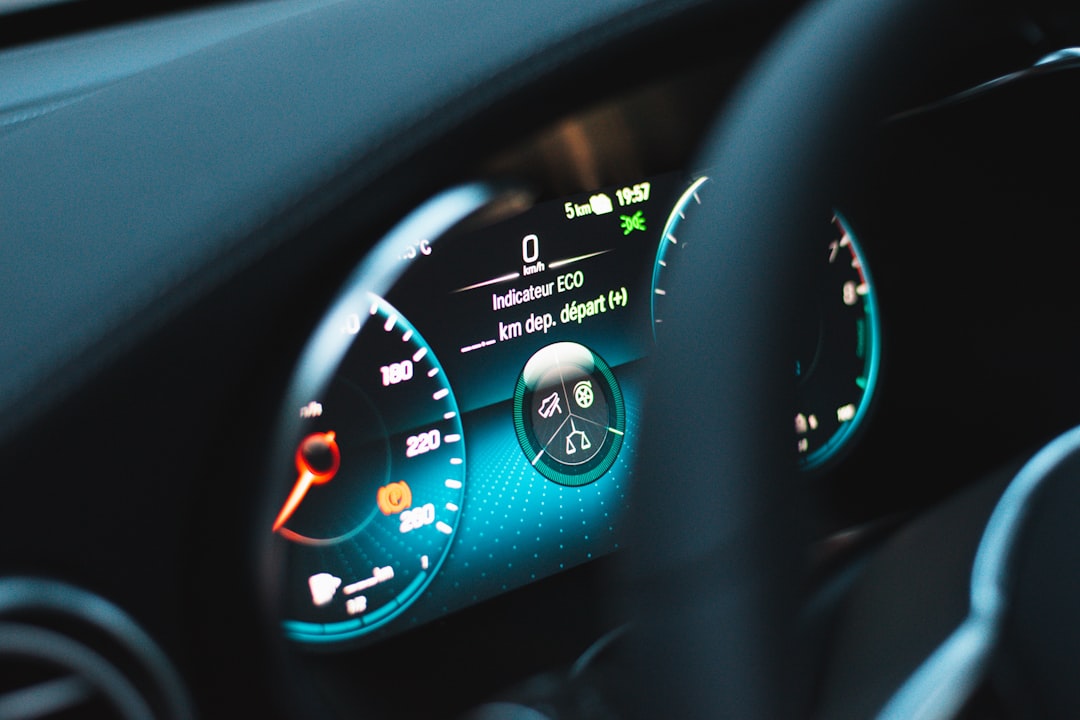
I've been in both types of vehicles. The difference is stark. Chinese EVs feel like computers that happen to have wheels. Western EVs feel like cars with tablets duct-taped to the dashboard. The user interface, the responsiveness, the integration between systems—it's not even close.
Why are Western automakers so far behind? Because they're organized wrong. In traditional car companies, software is a department that reports to engineering. In Chinese EV startups, software is the architecture and hardware components get designed around it. That organizational difference produces fundamentally different products.
Western automakers also outsource too much. They rely on suppliers like Bosch, Continental, and Denso for critical software components. That made sense when software was a small part of the product. But when software is the product, outsourcing it means you don't control your own destiny. Chinese EV makers build software in-house, which is slower to start but creates sustainable competitive advantage.
The talent gap is real too. Top software engineers want to work at tech companies, not car companies. Tesla partially solved this by being a tech company that happens to make cars. Chinese EV startups solved it by paying Silicon Valley salaries in Shanghai and Shenzhen. Traditional automakers in Detroit and Stuttgart are trying to hire AI engineers with manufacturing company compensation packages. It's not working.
The analysis calls this an "existential risk," and that's not hyperbole. If cars are becoming software-defined products, and Chinese companies dominate software while Western companies dominate hardware, then Western companies are optimized for the wrong thing. It's like being the world's best at making flip phones in 2010.
Some Western automakers get it. General Motors is investing billions in software development. Volkswagen created a dedicated software division (though it's been plagued by delays and cost overruns). Ford is trying to build in-house capabilities. But they're all playing catch-up, and the target is moving.
The strategic question is whether legacy automakers can transform fast enough. The optimistic case is that they have brand equity, dealer networks, manufacturing scale, and regulatory experience that Chinese competitors lack in Western markets. If they can get software good enough, the rest might be enough to compete.
The pessimistic case is that "good enough" software won't cut it when competitors are shipping genuinely better products. And that regulatory protection and brand loyalty only buy time, not victory. If Chinese EVs are better and cheaper, consumers will eventually overcome their preference for familiar brands.
What makes this particularly concerning for Western automakers is that it's not just about cars. The entire mobility ecosystem is becoming software-driven. Autonomous driving, vehicle-to-grid integration, subscription features, data monetization—all of these future revenue streams require software competence. If you can't build good infotainment, you're not going to build good autonomy.
The other issue is speed. Software companies can iterate rapidly—ship updates weekly, test features with subsets of users, fail fast and fix faster. Hardware companies are used to three-year development cycles and rigorous testing before anything ships. Those timelines don't work in software, and legacy automakers are struggling to adapt their culture and processes.
I'm not rooting for Western automakers to fail—millions of jobs depend on them. But I'm also realistic about what happens when established industries face disruption. The companies that survive are the ones that recognize the shift early and transform themselves. The ones that fail are the ones that assume their traditional advantages will protect them.
Right now, Western automakers look like the latter. They're making the moves—software investments, new organizational structures, talent acquisition. But they're making them five years after Chinese competitors did, and five years is an eternity in software development.
The technology is impressive. Chinese EVs are genuinely good cars with genuinely good software. Western automakers need to stop treating that as an unfair advantage or a quirk of government subsidies, and start treating it as the new baseline. Because if software is the product, and Chinese companies are better at software, then the rest of the advantages don't matter. Ask Nokia.