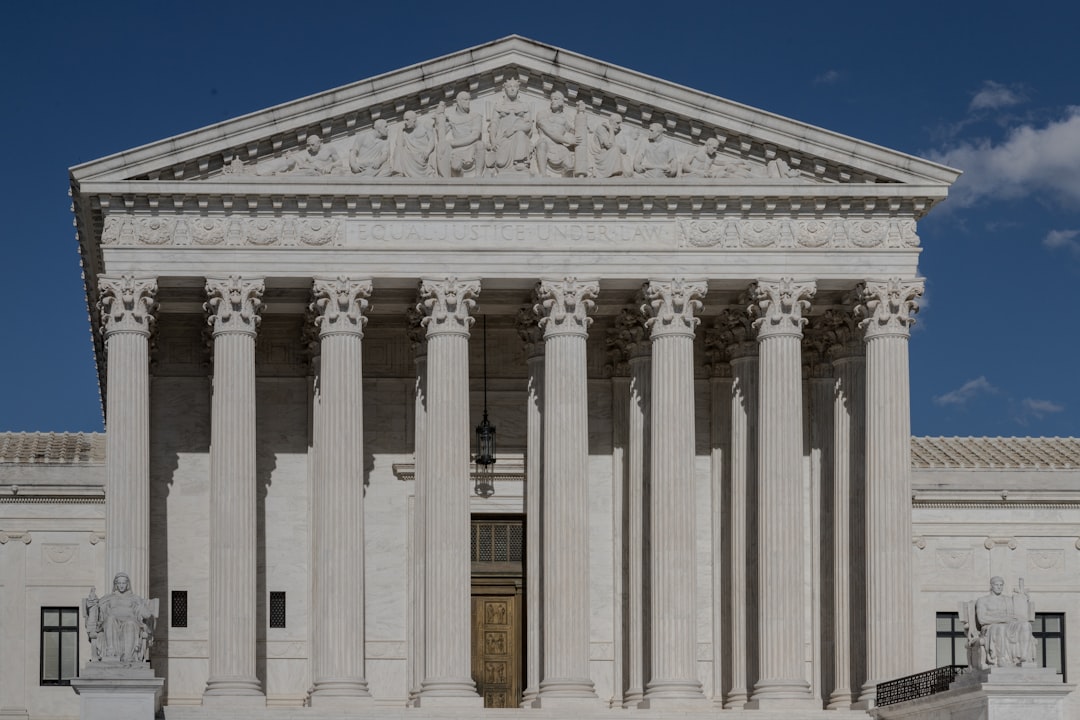
The Supreme Court is hearing arguments on whether 'geofence warrants'—which demand location data for everyone in an area during a time period—violate Fourth Amendment protections. The case will determine whether law enforcement can continue mass digital surveillance through tech companies.
Geofence warrants turn everyone's phone into a potential witness—or suspect. The Court's decision will define whether your location history is private or perpetually available to prosecutors.
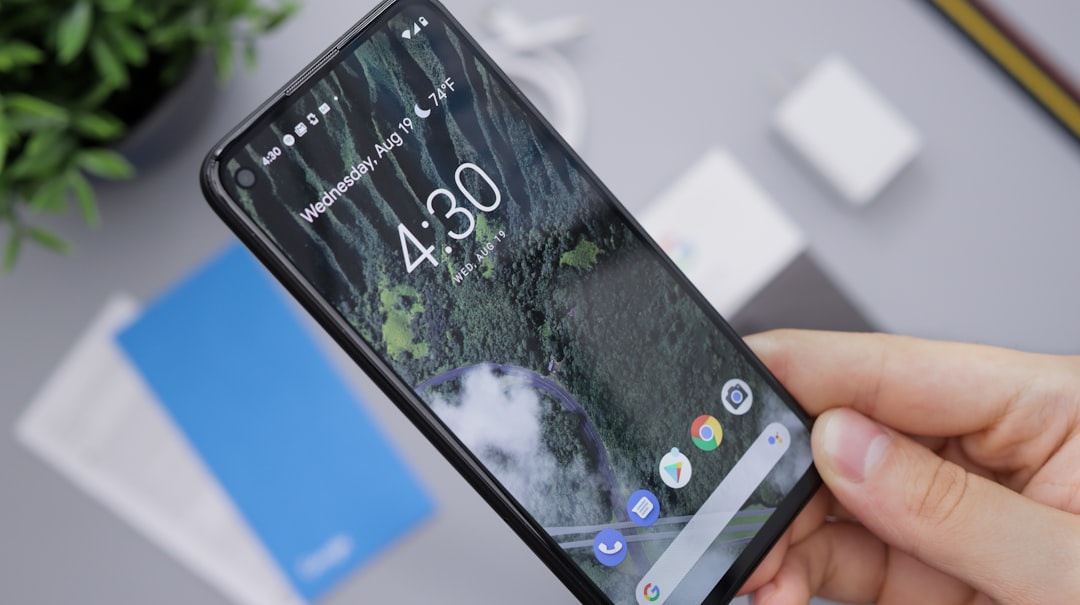
Here's how geofence warrants work: law enforcement tells Google or another tech company to provide location data for all devices in a specific area during a specific time. Not just a suspect's phone—everyone's phone. The company returns anonymized data, police narrow down suspects, then request identifying information for those devices.
In practice, this means if you happened to walk past a crime scene with your phone in your pocket, your location data gets swept up in a criminal investigation. You're not a suspect based on evidence—you're a suspect based on proximity.
Law enforcement argues this is a valuable tool for solving crimes when there are no clear suspects. A bank gets robbed, police geofence the area, identify phones that were there at the time, and investigate from there. Without geofence warrants, some crimes would go unsolved.
Privacy advocates argue this inverts the Fourth Amendment's requirement for particularized suspicion. Traditional warrants require police to show probable cause that a specific person committed a crime before searching their records. Geofence warrants search first, identify suspects second.
I've covered surveillance technology since my journalism days, and geofence warrants represent something qualitatively new. It's not just that the scale is different—though it is, massively. It's that the logic is different. Instead of "we suspect this person, give us their records," it's "something happened here, give us everyone's records."
The Supreme Court case centers on whether this violates the Fourth Amendment's prohibition on unreasonable searches. The Court has previously ruled that police need a warrant to access historical cell phone location data for a specific person. But geofence warrants don't target a specific person—they target everyone in a location.
Google has disclosed that it receives thousands of geofence warrants annually. The company has pushed back on some, but generally complies. Other tech companies with location data—Apple, Microsoft, Uber—could face similar demands if the Court allows the practice.
What makes this particularly thorny is that the technology enables surveillance that was literally impossible when the Fourth Amendment was written. The Framers couldn't have imagined a world where everyone carries a device that logs their precise location every few seconds, and that data is stored indefinitely by corporations who can be compelled to hand it over.
The Court has tried to adapt Fourth Amendment doctrine to new technology through principles like "reasonable expectation of privacy." But what's reasonable in 2026? Most people know their phones track location. But do they expect that data could be bulk-requested by police to investigate crimes they had nothing to do with?
Defense attorneys have started challenging convictions based on geofence evidence, arguing it's a digital dragnet that catches innocent people along with suspects. In several cases, people were investigated solely because their phone was in the wrong place at the wrong time—sometimes because they lived near a crime scene or drove past it regularly.
The oral arguments revealed the Court's discomfort with the technology. Several justices asked pointed questions about whether geofence warrants are more like legitimate area searches (searching a building where a crime occurred) or unconstitutional general warrants (the colonial-era practice of searching everyone the crown deemed suspicious).
If the Court rules against geofence warrants, law enforcement loses a tool they've come to rely on. But they'd still have traditional investigative methods—witnesses, surveillance footage, targeted warrants for specific suspects. If the Court allows geofence warrants, privacy advocates warn it opens the door to even more expansive surveillance as technology improves.
The decision will likely try to split the difference—allowing some geofence use but with stricter requirements. Maybe police need to show more specific justification, or the geographic area has to be narrower, or the data has to be deleted after investigation. Those compromises might satisfy neither side.
What won't change is the fundamental tension: phones collect data that's incredibly useful for both legitimate services and surveillance. You can't have turn-by-turn navigation without location tracking. But you also can't have location tracking without creating a surveillance database that law enforcement wants access to.
My view is that the Fourth Amendment should require particularized suspicion before searching location data, which means geofence warrants in their current form should be unconstitutional. But I'm not confident the Court will go that far. The safer prediction is a narrow ruling that tweaks the rules without resolving the fundamental question of whether mass location surveillance is compatible with a free society.
The technology is impressive. The ability to track billions of devices in real-time has enabled services that genuinely improve people's lives. But it's also enabled surveillance that would have made the Stasi jealous. The Supreme Court's job is to figure out where the Fourth Amendment draws the line. Based on oral arguments, even the justices aren't sure where that line is.