A military academy analysis obtained by The Guardian warns that Iranian closure of the Strait of Hormuz would disrupt critical supply chains for American weapons production, potentially strangling the Pentagon's ability to sustain combat operations—an assessment that contradicts administration claims that the conflict poses minimal economic risk.
The West Point study, conducted by researchers at the United States Military Academy's Modern War Institute, identifies specific vulnerabilities in the defense-industrial base that would become acute if Iran successfully interdicted shipping through the strategic waterway. According to the analysis, components essential for missile production, aircraft maintenance, and munitions manufacturing depend on materials and parts sourced from or transiting through the Gulf region.
The Strait of Hormuz, a narrow passage between Iran and the Arabian Peninsula, serves as the chokepoint through which approximately 21 million barrels of oil pass daily—roughly 21 percent of global petroleum consumption. But the study focuses not on energy markets, which have dominated public discussions, but on the less visible supply chains that sustain military operations.
To understand today's headlines, we must look at yesterday's decisions. For decades, the United States pursued defense procurement strategies that emphasized cost efficiency through global supply chains. Rare earth elements from China, precision components from Japan and South Korea, specialized alloys from Europe—these inputs flow into American weapons factories from around the world. Many transit through Gulf ports or depend on shipping routes that pass near Iran.
The West Point analysis identifies several specific vulnerabilities. Precision-guided munitions, which have been central to the US campaign against Iran, require electronic components whose supply chains intersect with Asian manufacturing hubs. Ships carrying these components from factories in Taiwan, South Korea, and Japan often transit through or near the Strait of Hormuz en route to US ports.
Additionally, the study notes that certain specialty chemicals used in propellants and explosives are sourced from Gulf nations or depend on feedstocks derived from regional petroleum production. A sustained closure of the strait would not immediately halt weapons production, but would force the Pentagon to rely on strategic reserves and alternative suppliers that may lack sufficient capacity.
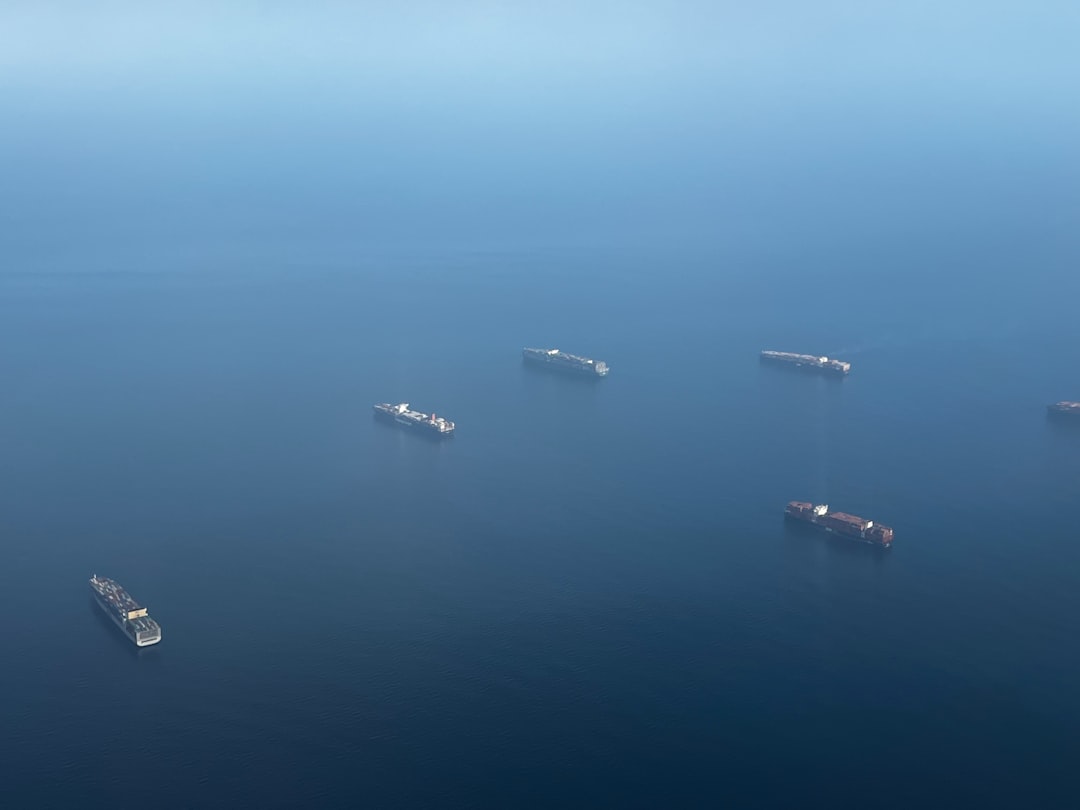
Perhaps most concerning, the analysis suggests that Iran need not successfully close the strait to achieve strategic impact. Simply threatening shipping—through mine-laying, missile attacks, or harassment by fast boats—could drive up insurance costs to prohibitive levels. Commercial shippers might refuse to transit the area regardless of military escorts, effectively accomplishing Iran's objective without full interdiction.
The findings contradict public assurances from administration officials, who have repeatedly stated that the conflict would have limited economic impact on the United States. While consumer goods and energy supplies have received significant attention, the defense-industrial implications have been largely overlooked in public discourse.
Defense contractors, speaking on condition of anonymity, acknowledge the vulnerabilities identified in the study. Several major manufacturers have already reported delays in receiving components due to shipping disruptions and increased insurance costs. These delays have not yet affected deliveries to the Pentagon, as production lead times provide some buffer, but extended disruptions could manifest in reduced output within months.
The study also examines historical precedents, particularly the Tanker War of the 1980s, when Iran and Iraq attacked commercial shipping during their conflict. Even with US Navy escorts, attacks on tankers drove up costs and complicated operations. The difference today, the analysis notes, is that Iran possesses more sophisticated anti-ship missiles and drones than it did four decades ago.
Critics of the current military campaign have seized on the West Point findings as evidence that the administration failed to adequately assess second-order effects before initiating operations. If the United States finds itself unable to sustain weapons production due to supply chain disruptions caused by its own military actions, the strategic logic of the campaign becomes questionable.