The UK, France, Germany, Italy, the Netherlands, and Japan have jointly declared readiness to assist in maintaining freedom of navigation through the Strait of Hormuz after Iranian officials vowed zero restraint if energy infrastructure faces further attacks—a coordinated statement that signals potential international military involvement beyond the US-Iran confrontation.
The declaration, released through diplomatic channels and reported by Gulf News, commits the six nations to support efforts to ensure the free flow of energy and commerce through critical maritime chokepoints. While carefully worded to avoid explicitly threatening military action, the statement's timing and coordinated nature leave little doubt that these governments are preparing for potential naval operations if Iran moves to disrupt shipping.
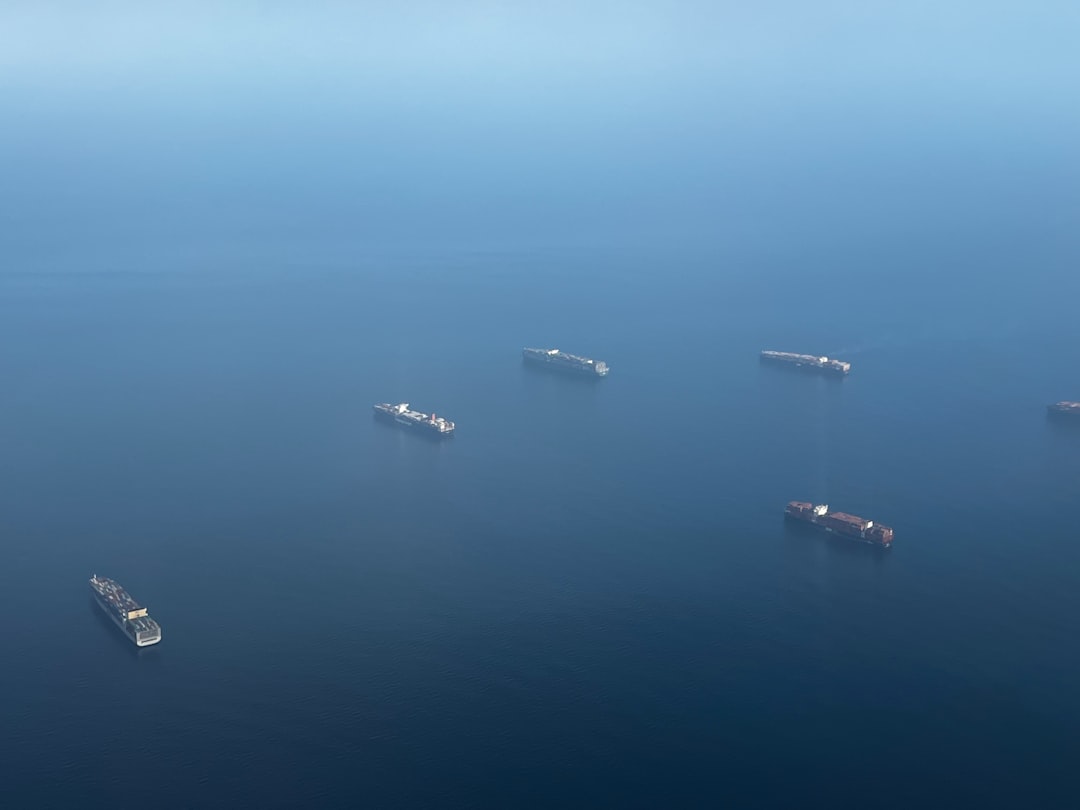
The Strait of Hormuz, a 21-mile-wide passage at the mouth of the Persian Gulf, represents one of the world's most critical energy arteries. Approximately one-fifth of global oil consumption and substantial quantities of liquefied natural gas pass through this waterway daily. Any sustained closure would send energy prices soaring and potentially trigger global recession.
To understand today's headlines, we must look at yesterday's decisions. The current crisis echoes the Tanker War of the 1980s, when Iran and Iraq attacked commercial vessels transiting the Gulf during their eight-year conflict. United States and allied navies eventually intervened to escort tankers, leading to several armed confrontations with Iranian forces. The operation successfully kept shipping flowing but at the cost of military casualties and escalated tensions.
The six-nation statement comes after Iran's Foreign Ministry warned that the country would show zero restraint if its energy facilities face additional strikes. This warning followed US attacks on Iranian nuclear sites and Iran's retaliatory strikes on Qatar's LNG infrastructure—a pattern of escalation that has alarmed global energy markets and governments dependent on Gulf supplies.
For European signatories, the commitment represents a delicate balancing act. France, Germany, Italy, the Netherlands, and the UK all depend on Gulf energy imports, particularly after reducing reliance on Russian supplies following the Ukraine invasion. They cannot afford prolonged disruption to Hormuz shipping. Yet these same nations have been critical of aspects of US policy toward Iran, particularly President Trump's decision to launch strikes without allied consultation.
The inclusion of Japan in the statement is particularly significant. Tokyo has historically maintained pragmatic relations with Iran and avoided taking sides in Middle Eastern conflicts. But Japan depends heavily on Middle Eastern energy—more than 90 percent of its oil comes from the region—and cannot tolerate disruption to these supplies. Tokyo's willingness to join the statement signals how seriously it views the threat to Hormuz shipping.
Military analysts note that while the statement does not explicitly commit to naval deployment, the countries involved already have naval assets in or near the region. France's carrier strike group, centered on the Charles de Gaulle, is currently in the eastern Mediterranean. UK warships regularly operate in Gulf waters as part of ongoing security arrangements. Japan has previously deployed maritime self-defense forces to the region for anti-piracy operations.
The practical question is what these forces would do if Iran attempted to close the strait. Options range from naval escorts for commercial shipping—the approach used in the 1980s—to active suppression of Iranian coastal defenses. The former is relatively low-risk but might not be effective if Iran employs mines, drones, and anti-ship missiles aggressively. The latter would constitute an act of war and would likely draw these nations into direct combat.
Iran possesses significant capabilities to threaten shipping through the strait. Coastal artillery, anti-ship cruise missiles, fast attack craft, submarines, and naval mines all feature in Iranian military doctrine for defending or closing the waterway. Additionally, Iran has demonstrated sophisticated drone technology that could target vessels at sea. Any effort to keep the strait open against determined Iranian opposition would require substantial military commitment and would likely result in casualties.
The statement also reflects a broader shift in European and Japanese security thinking. For decades, these nations largely relied on the United States to secure global commons like maritime trade routes. The Trump administration's unpredictable approach and the strain on US military resources from the Iran conflict have forced allied governments to consider more active roles in maintaining security.