
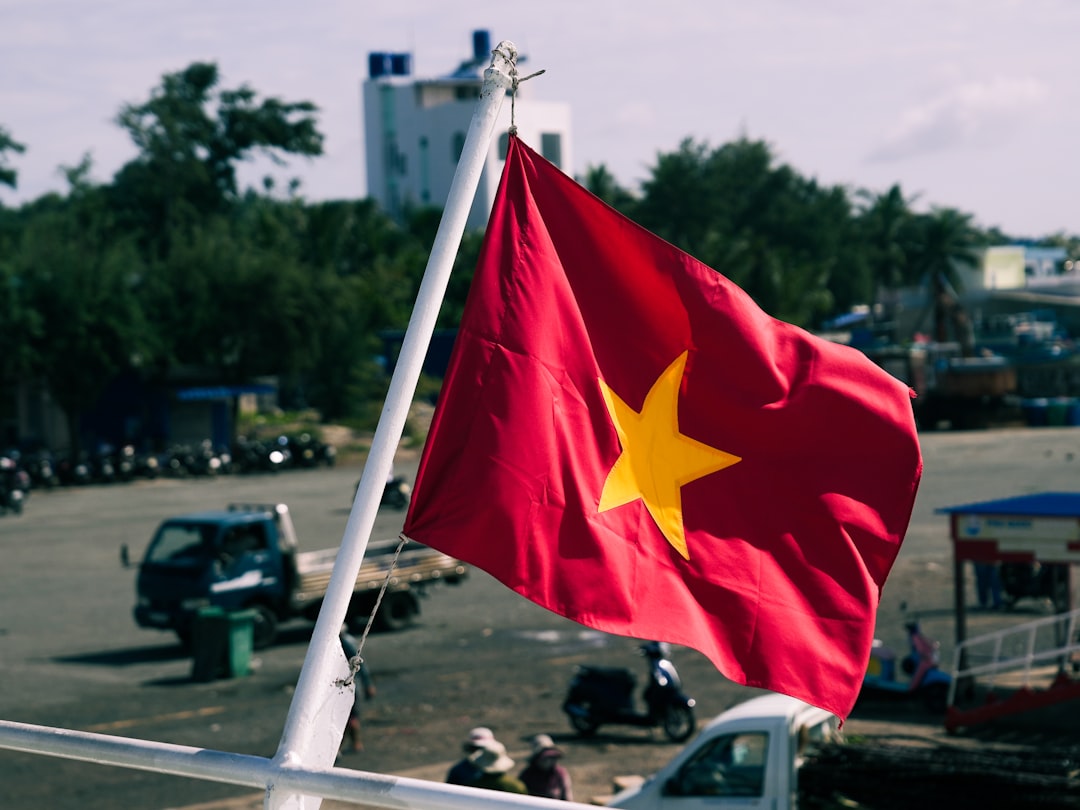
Vietnam held National Assembly elections on March 14, 2026, a ritual that highlights the distinctive approach to governance in one of Asia's fastest-growing economies.
The elections, conducted across all 63 provinces and cities, featured 867 candidates competing for 500 seats in the National Assembly. Unlike multiparty democracies, candidates are pre-vetted by the Communist Party's Vietnam Fatherland Front, ensuring alignment with Party objectives before voters cast ballots.
In Vietnam, as across pragmatic one-party states, economic opening proceeds carefully alongside political stability. The model has delivered remarkable results: GDP growth averaging 6-7% annually, $35 billion in foreign direct investment in 2025, and Vietnam's transformation from one of the world's poorest countries to middle-income status within a generation.
Responsiveness Without Electoral Competition
The Vietnamese government maintains legitimacy through a distinctive mechanism: hyper-sensitivity to public opinion rather than electoral competition. When opposition emerges to proposed policies, authorities typically respond swiftly to de-escalate before protests materialize.
Recent examples illustrate this approach. The second-property tax proposal and vehicle plate identification regulations both faced immediate adjustments after online opposition spread across Facebook groups and community forums. The government postponed implementation and opened dialogue channels.
"The leadership is always in a state of watching public sentiment," observed one Hanoi-based political analyst. "In a single-party system, tacit consent of the people is vital for maintaining legitimacy. The government understands they have no opposition to blame."
This stands in contrast to some multiparty democracies where elected officials may prioritize lobbyists and corporate interests between election cycles, knowing voters cannot hold them accountable until the next electoral contest.
Economic Performance as Legitimacy