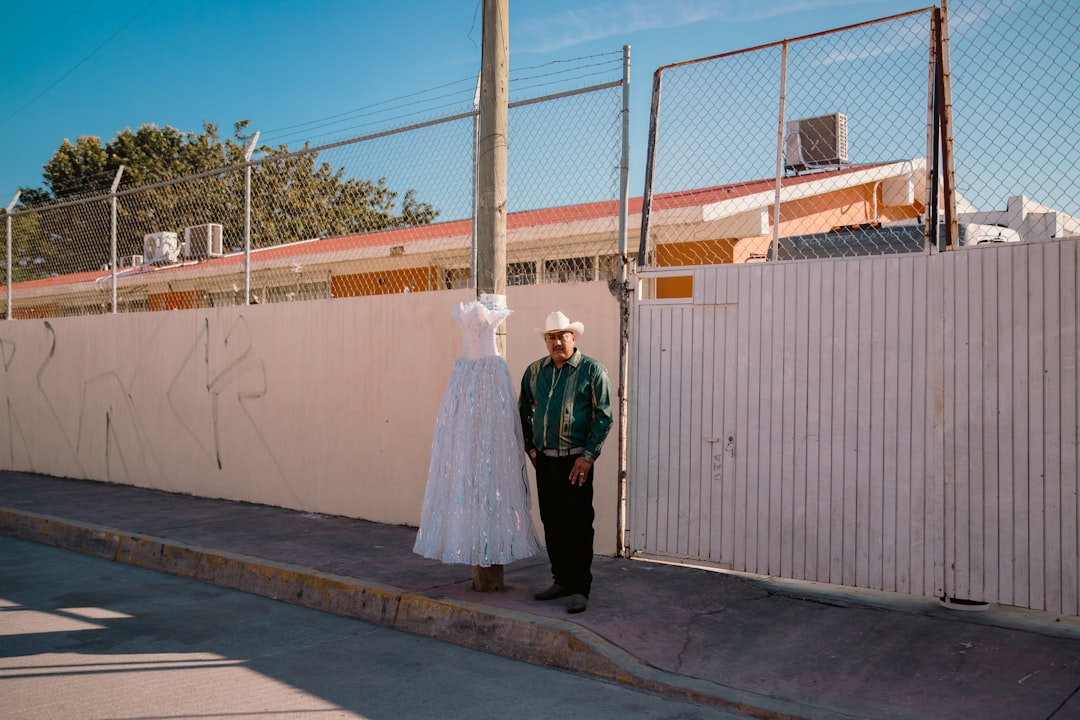
After living in the United States for decades, elderly migrants are being dumped across the border in Mexico without identification, money, or even cell phones - abandoned in a country many no longer recognize.The deportations, part of the Trump administration's expanded enforcement operations, have created a humanitarian crisis in Mexican border cities where vulnerable, often sick deportees sleep on sidewalks and struggle to survive in places they haven't called home for 20, 30, even 40 years."They take everything," said Rosa María, 68, who spent 35 years in California before being deported to Tijuana in March. "No papers, no money, no phone to call my daughter. They just put me on a bus and said, 'Welcome to Mexico.' But this isn't my Mexico anymore."According to Truthdig's investigation, Immigration and Customs Enforcement (ICE) has intensified removals of elderly migrants who entered the country decades ago, many before comprehensive immigration enforcement systems existed. These aren't recent border crossers - they're grandparents who built American lives, raised American children, and now find themselves exiled to a homeland that has moved on without them.The human cost is staggering. In Villahermosa, a sweltering city in southern Mexico, aid workers report elderly deportees dying on the streets within days of arrival. Without identification to access Mexican social services, without money for food or shelter, without phones to contact family members who might send help, they become invisible casualties of immigration enforcement."We're seeing people in their 70s and 80s who need medication, who have diabetes, heart conditions, dementia," said Padre Luis Kendzierski, who runs a migrant shelter near the Mexico-Guatemala border. "The United States deports them to places they've never been, strips them of everything, and expects Mexico to handle the consequences."The policy represents a fundamental shift in how the United States treats its undocumented population. Previous administrations generally prioritized deporting those with criminal records or recent arrivals. The current approach targets anyone without legal status, regardless of how long they've lived in the country or their ties to American communities.For Mexico, the deportations create an impossible burden. The government already struggles to provide services to its own elderly population. Now it's receiving thousands of aging deportees - many of whom speak little Spanish, have no Mexican documentation, and lack family networks to support them."These are people who left Mexico 40 years ago when it was a different country," explained Dr. Gabriela Sánchez, who studies migration at UNAM in Mexico City. "They're being returned to a place they don't understand, with no resources to rebuild lives they already built once in the United States."The diaspora impact reverberates across both countries. Adult children in the United States - many of them citizens - frantically search for deported parents they can't reach. Mexican consulates report being overwhelmed with requests for emergency identification documents. And border cities that already face security and economic challenges now grapple with a growing population of vulnerable elderly people sleeping rough.This is the human reality of immigration policy reduced to enforcement numbers. Behind every deportation statistic is Rosa María, sleeping on a Tijuana sidewalk, trying to remember her daughter's phone number. Behind every removal order is a 70-year-old grandfather who picked fruit in California for 30 years, now begging for pesos in a city that was farmland when he left.Twenty countries, 650 million people - and the United States treating its southern neighbors as a dumping ground for the people it no longer wants. This is how empires discard the workers who built them. This is how nuestra América looks when viewed from Washington: expendable, forgettable, someone else's problem.Somos nuestra propia historia. But in these deportations, we're seeing history written by those who view Latin American lives as temporary labor to be used and discarded when no longer convenient.
|