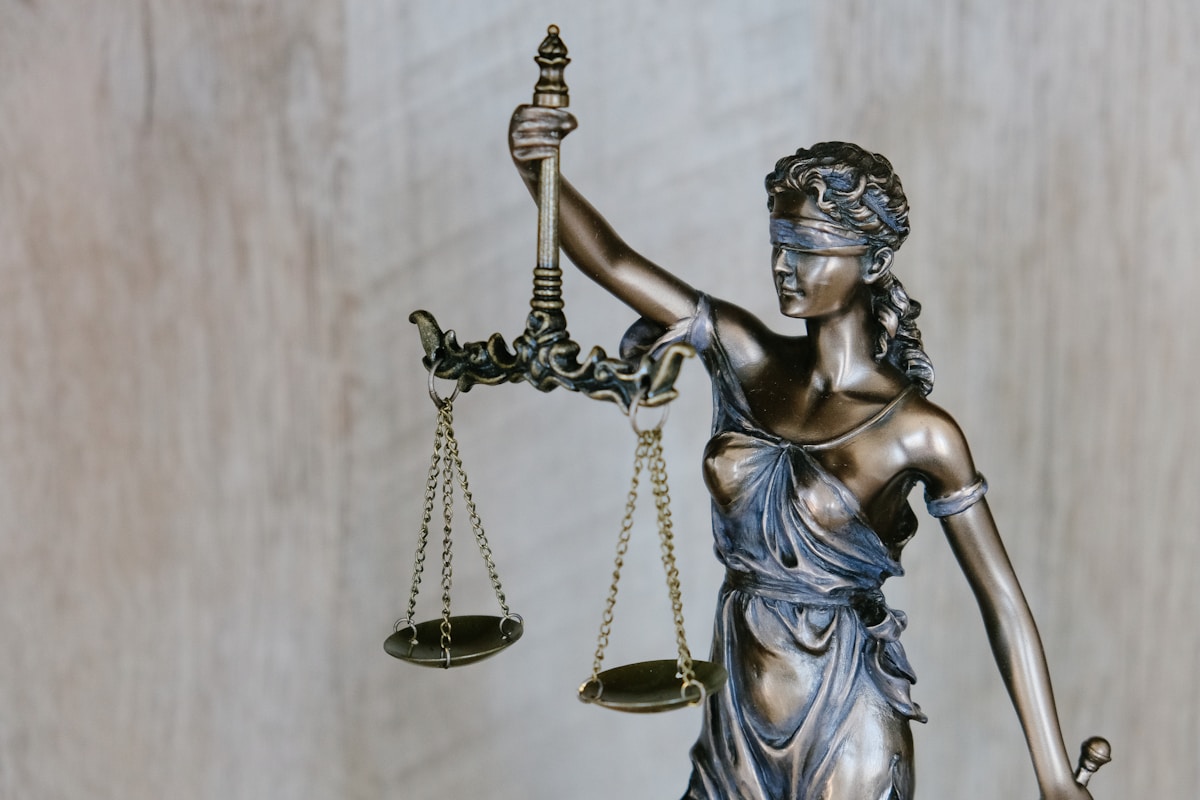
Chinese electric vehicle giant BYD and Brazilian singer Amado Batista were added to Brazil's "dirty list" of employers found using forced labor, highlighting the country's aggressive enforcement of labor rights even against global corporate powers.
The updated registry, published by G1, names entities found to have subjected workers to conditions analogous to slavery at construction sites and production facilities across Brazil. BYD's inclusion comes as the company rapidly expands its manufacturing footprint in Latin America's largest economy, raising questions about labor practices in the company's global supply chain.
In Brazil, as across Latin America's giant, continental scale creates both opportunity and governance challenges. The "lista suja" represents one of Brazil's most effective transparency mechanisms, publicly shaming companies and individuals who violate fundamental labor rights while restricting their access to government contracts and financing.
Labor inspectors documented violations at BYD construction sites where workers faced degrading conditions, excessive hours, and debt bondage—legal definitions of modern slavery under Brazilian law. The findings underscore tensions between Brazil's commitment to labor protections and pressure to attract foreign investment, particularly from Chinese companies that have poured billions into Brazilian manufacturing and infrastructure.
The inclusion of Amado Batista, a popular sertanejo singer, demonstrates that enforcement extends beyond corporations to individual employers. While details of his case were not immediately available, entertainment industry violations typically involve exploitative contracts, unpaid wages, or unsafe working conditions for support staff and musicians.
Brazil's Labor Ministry maintains the registry as part of ongoing efforts to combat trabalho escravo contemporâneo—contemporary slave labor. Companies remain on the list for two years if they remediate violations and compensate workers; failure to comply extends the designation. Being listed bars companies from receiving government loans through development banks and complicates procurement contracts.
The BYD case carries particular international significance. As the company challenges Tesla's global electric vehicle dominance and expands operations from Southeast Asia to Europe, labor practices at its Brazilian facilities could face increased scrutiny from international buyers, environmental advocates, and human rights organizations who have championed sustainable supply chains.
Chinese companies have invested more than $70 billion in Brazil over the past decade, spanning energy, mining, agriculture, and manufacturing. Brazil's enforcement of labor standards even against major foreign investors signals that economic partnerships must respect Brazilian law—a stance that contrasts with some countries' more permissive approaches to investment-driven violations.
Labor rights advocates praised the government's transparency while emphasizing that inclusion on the list represents only initial accountability. "The dirty list is important, but it's just the first step," said Renato Bignami, a labor prosecutor. "Real change requires sustained monitoring, prosecution, and corporate cultural transformation."
For Brazil, balancing economic development with worker protections remains a defining challenge as the country seeks to position itself as both an attractive investment destination and a defender of social rights. The latest additions to the slavery list demonstrate that, at least in enforcement terms, Brazilian institutions are willing to hold even powerful actors accountable.