Travel guides treat Southeast Asia's monsoon season like a red light: don't go, you'll regret it, come back in November. But experienced travelers know that peak season's crowds and prices often create worse experiences than a little rain.
A traveler planning a July/August trip to the region asked the classic question on r/travel: Vietnam or Cambodia during summer? The responses challenged conventional guidebook wisdom.
"I understand that the season might not be great—especially Vietnam," the poster wrote, citing Lonely Planet's warning about "heat + rain + crowds of locals" during summer months.
But several Southeast Asia veterans pushed back. "The rainy season isn't what you think," one explained. "It's not like it rains all day. You get intense downpours for 1-2 hours, usually in the afternoon, then it clears up. Plan indoor activities or coffee breaks during that window and you're fine."
The "crowds of locals" warning is particularly misleading. Lonely Planet means Vietnamese families on domestic holiday during summer break. But for foreign travelers, this can actually enhance the experience—destinations feel more alive with local energy rather than the sterile tourist-only vibe of off-season spots.
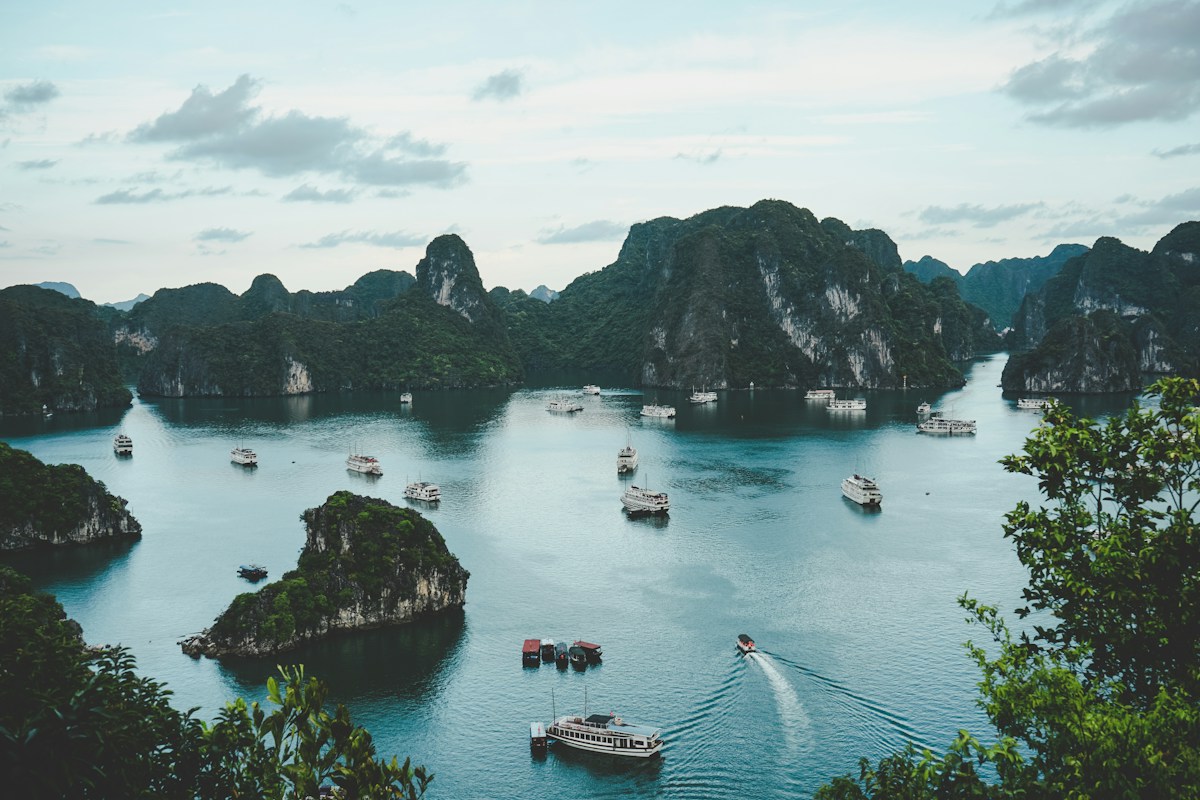
The Cambodia angle offers interesting contrast. The poster noted that Cambodia is "actually recommended for less crowds and lush green everywhere" during monsoon season. This reflects growing recognition that shoulder and rainy seasons offer trade-offs, not just disadvantages.
Yes, you might encounter rain. But you also get: dramatically lower prices on accommodation (often 30-50% below peak season), fewer Western tourists creating that zoo atmosphere at famous sites, and landscapes at their most verdant after months of dry season brown.